

Rice bran, crude
Whole food · Cereal Grains and Pasta
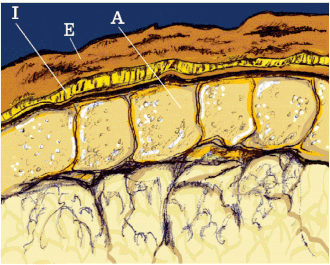
Photo: Wikipedia
Rice bran is the nutrient-dense outer layer of the rice kernel, often a byproduct of milling. It has a coarse, gritty texture and a nutty, earthy flavor reminiscent of toasted oats or wheat germ. Its standout nutritional feature is its exceptionally high fiber content, making it a powerhouse for digestive health.
Calorie split: 12% protein · 45% carbs · 43% fat
↓ Full nutrition💚 Why it's loved
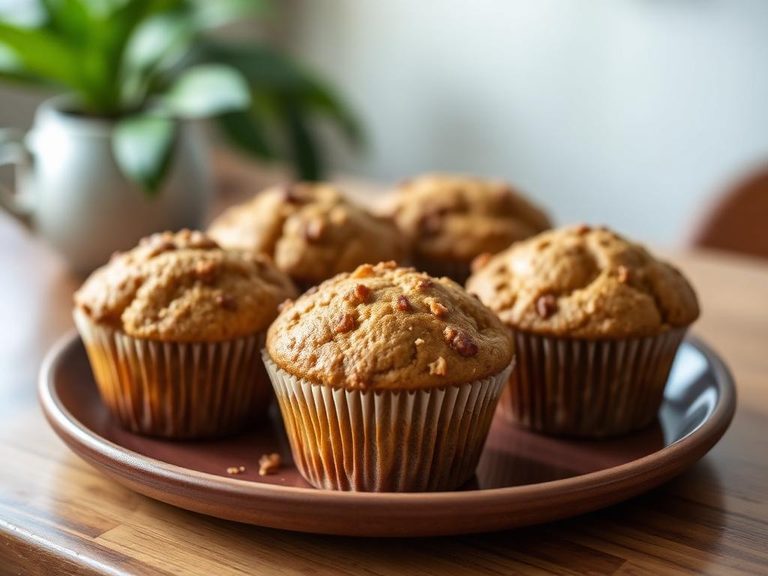
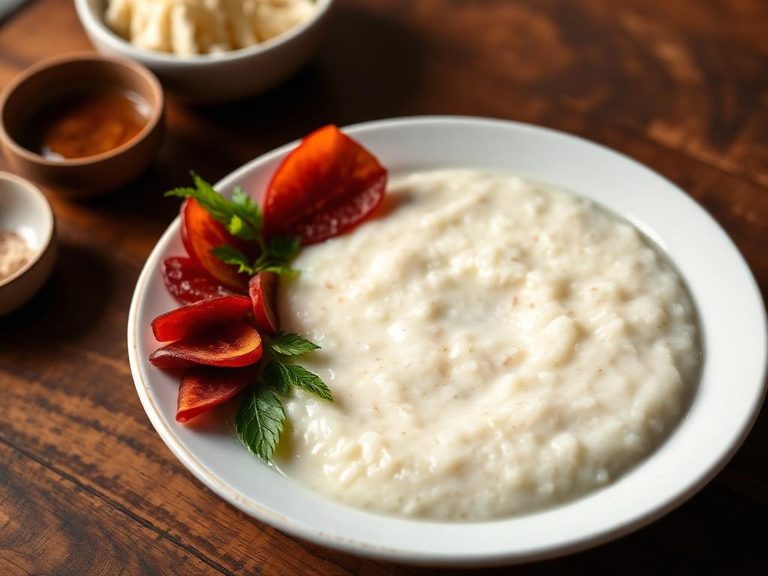
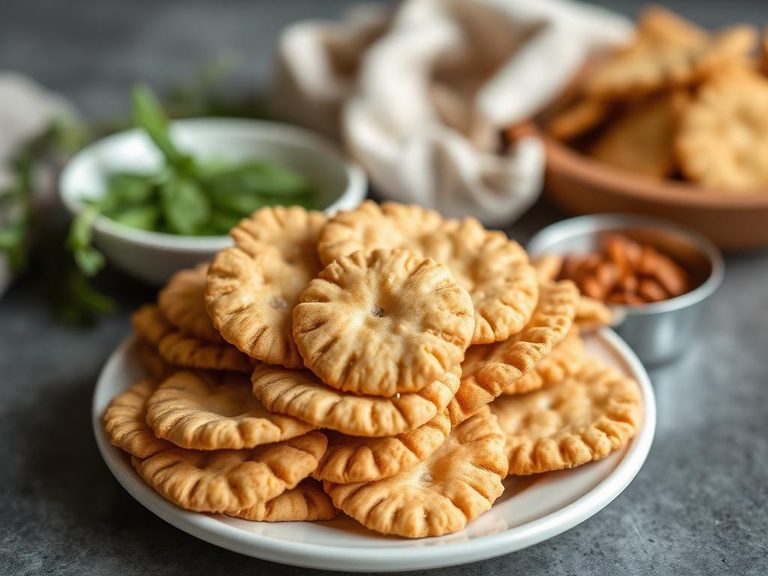
People love rice bran for its ability to add a wholesome, nutty crunch and a boost of fiber to baked goods, cereals, and smoothies. Its versatility as a nutritional enhancer makes it a staple in health-conscious cooking across many cultures.
⚠️ Watch-outs & how to enjoy it better
The gritty texture and strong, earthy taste can be off-putting to some, and its high fiber content may cause digestive discomfort like bloating if introduced too quickly. To counteract this, start with small portions (e.g., 1 tablespoon) and gradually increase intake, and always drink plenty of water to help the fiber move through your system.
Key benefits
- Excellent source of dietary fiber (21g per 100g) for digestive regularity.
- Rich in healthy fats, including monounsaturated and polyunsaturated fats.
- Provides a substantial amount of plant-based protein (13.35g per 100g).
- Contains essential minerals like magnesium, manganese, and phosphorus.
🍽️ Popular dishes
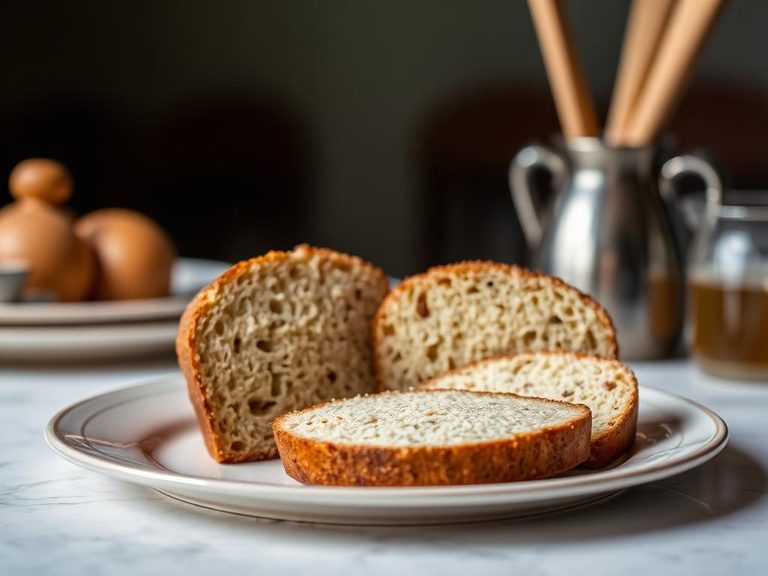
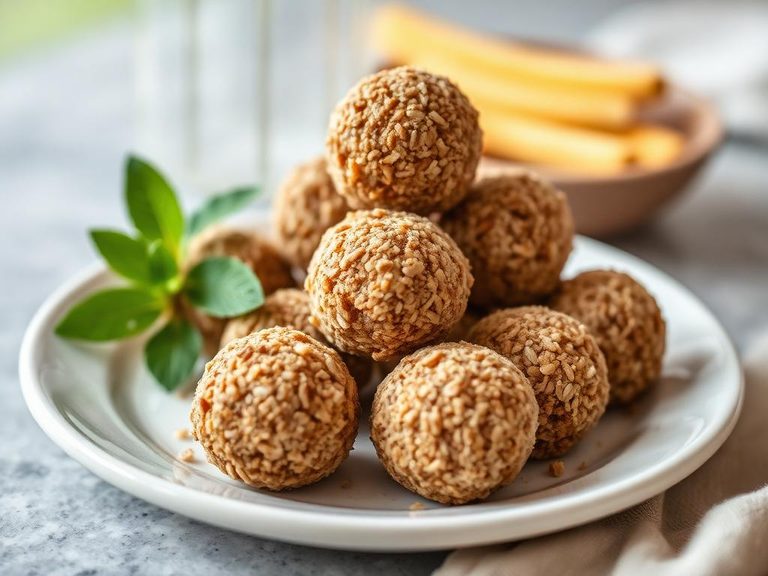
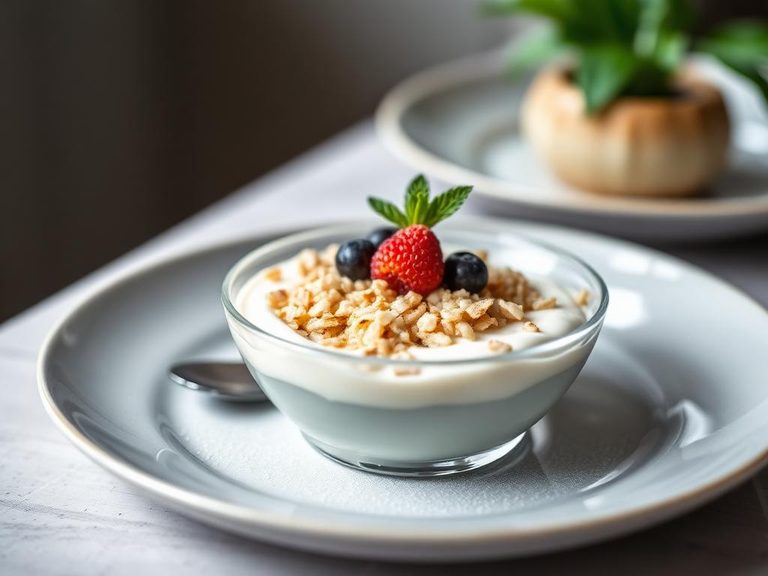
🌍 Where it's eaten
💡 Did you know?
In Japan, rice bran (nuka) is famously used to make 'nukazuke,' a traditional pickling method where vegetables are fermented in a rice bran bed, a practice dating back over 1,000 years.
Full nutrition (USDA data · scales with serving)
| Water | 6.1 g |
| Energy | 316 kcal |
| Energy | 1322 kj |
| Protein | 13.3 g |
| Total lipid (fat) | 20.9 g |
| Ash | 10.0 g |
| Carbohydrate, by difference | 49.7 g |
| Fiber, total dietary | 21.0 g |
| Total Sugars | 0.90 g |
| Sucrose | 0.50 g |
| Glucose | 0.20 g |
| Fructose | 0.20 g |
| Calcium, Ca | 57.0 mg |
| Iron, Fe | 18.5 mg |
| Magnesium, Mg | 781 mg |
| Phosphorus, P | 1677 mg |
| Potassium, K | 1485 mg |
| Sodium, Na | 5.0 mg |
| Zinc, Zn | 6.0 mg |
| Copper, Cu | 0.73 mg |
| Manganese, Mn | 14.2 mg |
| Selenium, Se | 15.6 ug |
| Vitamin C, total ascorbic acid | 0.00 mg |
| Thiamin | 2.8 mg |
| Riboflavin | 0.28 mg |
| Niacin | 34.0 mg |
| Pantothenic acid | 7.4 mg |
| Vitamin B-6 | 4.1 mg |
| Folate, total | 63.0 ug |
| Folic acid | 0.00 ug |
| Folate, food | 63.0 ug |
| Folate, DFE | 63.0 ug |
| Choline, total | 32.2 mg |
| Vitamin B-12 | 0.00 ug |
| Vitamin B-12, added | 0.00 ug |
| Vitamin A, RAE | 0.00 ug |
| Retinol | 0.00 ug |
| Carotene, beta | 0.00 ug |
| Carotene, alpha | 0.00 ug |
| Cryptoxanthin, beta | 0.00 ug |
| Vitamin A, IU | 0.00 iu |
| Lycopene | 0.00 ug |
| Lutein + zeaxanthin | 220 ug |
| Vitamin E (alpha-tocopherol) | 4.9 mg |
| Vitamin E, added | 0.00 mg |
| Vitamin D (D2 + D3), International Units | 0.00 iu |
| Vitamin D (D2 + D3) | 0.00 ug |
| Vitamin K (phylloquinone) | 1.9 ug |
| Alcohol, ethyl | 0.00 g |
| Caffeine | 0.00 mg |
| Theobromine | 0.00 mg |
Fat & fatty acid profile (per 100g)
| Fatty acids, total saturated | 4.2 g |
| SFA 4:0 | 0.00 g |
| SFA 6:0 | 0.00 g |
| SFA 8:0 | 0.00 g |
| SFA 10:0 | 0.00 g |
| SFA 12:0 | 0.02 g |
| SFA 14:0 | 0.08 g |
| SFA 16:0 | 3.6 g |
| SFA 18:0 | 0.37 g |
| Fatty acids, total monounsaturated | 7.5 g |
| MUFA 16:1 | 0.07 g |
| MUFA 18:1 | 7.5 g |
| MUFA 20:1 | 0.00 g |
| MUFA 22:1 | 0.00 g |
| Fatty acids, total polyunsaturated | 7.5 g |
| PUFA 18:2 | 7.1 g |
| PUFA 18:3 | 0.32 g |
| PUFA 18:4 | 0.00 g |
| PUFA 20:4 | 0.00 g |
| PUFA 20:5 n-3 (EPA) | 0.00 g |
| PUFA 22:5 n-3 (DPA) | 0.00 g |
| PUFA 22:6 n-3 (DHA) | 0.00 g |
| Cholesterol | 0.00 mg |
Amino acid profile (per 100g)
| Tryptophan | 0.11 g |
| Threonine | 0.56 g |
| Isoleucine | 0.57 g |
| Leucine | 1.0 g |
| Lysine | 0.65 g |
| Methionine | 0.31 g |
| Cystine | 0.32 g |
| Phenylalanine | 0.64 g |
| Tyrosine | 0.41 g |
| Valine | 0.88 g |
| Arginine | 1.1 g |
| Histidine | 0.35 g |
| Alanine | 0.97 g |
| Aspartic acid | 1.3 g |
| Glutamic acid | 1.9 g |
| Glycine | 0.88 g |
| Proline | 0.67 g |
| Serine | 0.66 g |
FAQ
What is the difference between rice bran and rice flour?
Rice bran is the outer layer of the rice kernel, rich in fiber and fat, while rice flour is made from the entire grain (or just the endosperm) and is primarily starch. Rice bran is used as a nutritional supplement, while rice flour is a base for baking.
Can rice bran be eaten raw?
Yes, rice bran can be eaten raw, but it's often toasted or cooked to improve its flavor and digestibility. Raw rice bran is commonly added to smoothies or cereals.
Is rice bran gluten-free?
Yes, rice bran is naturally gluten-free, making it a safe and nutritious option for people with celiac disease or gluten sensitivity.
How should rice bran be stored?
Due to its high oil content, rice bran can go rancid quickly. It should be stored in an airtight container in the refrigerator or freezer to maintain freshness.
Nutrient density (calculated · NRF9.3)
Nutrient Rich Foods index: beneficial nutrients (protein, fiber, vitamins, minerals) minus saturated fat, added sugar & sodium, per 100 kcal.
NRF9.3 index — Fulgoni, Keast & Drewnowski, 2009. Computed from USDA nutrients.
Weight-loss friendliness (composite index)
Energy density 3.16 kcal/g · 17% calories from protein · 21.0 g fiber · 0.9 g sugar per 100 g.
Composite of energy density (Rolls et al., 1999), protein & fiber satiety, minus sugar. A calculated heuristic — ranks satiety-per-calorie, not a clinical measure.
Dietary load (calculated from USDA values)
Potential renal acid load. Positive = acid-forming, negative = alkaline-forming.
Sodium-to-potassium ratio: 0.00 (lower is better — aim for ≤ 1)
Sodium:potassium per WHO potassium guidance. Computed from USDA nutrients.