

Puddings, vanilla, ready-to-eat, fat free
Whole food · Sweets

Photo: Wikipedia
This is a smooth, creamy, ready-to-eat vanilla pudding with a classic, comforting flavor and a silky, spoonable texture. Its nutrition profile is defined by being virtually fat-free, with a calorie count of 89 per 100g coming almost entirely from its 20.16g of carbohydrates, of which 15.12g are sugars.
Calorie split: 9% protein · 91% carbs · 0% fat
↓ Full nutrition💚 Why it's loved
People love it for its nostalgic, simple sweetness and the smooth, comforting texture that requires no preparation. It's a versatile base that can be enjoyed plain or dressed up with toppings.
⚠️ Watch-outs & how to enjoy it better
The high sugar content (over 15g per 100g) can contribute to blood-sugar spikes, making it a less ideal choice for those managing diabetes or watching sugar intake. To counteract this, pair it with a source of protein or healthy fat (like nuts or a dollop of Greek yogurt) to slow sugar absorption, and practice strict portion control.
Key benefits
- Fat-free source of quick energy from carbohydrates.
- Provides a small amount of protein (2.02g per 100g).
- A convenient, portion-controlled dessert option.
- A good source of calcium if made with milk.
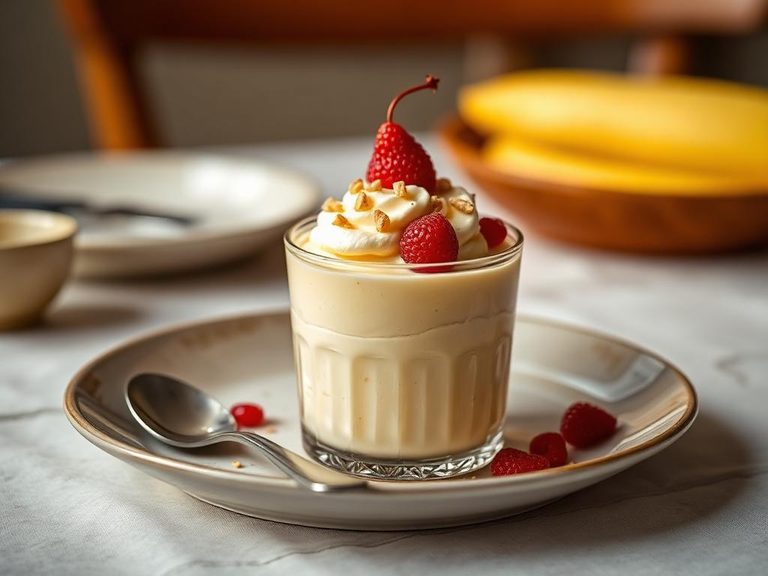
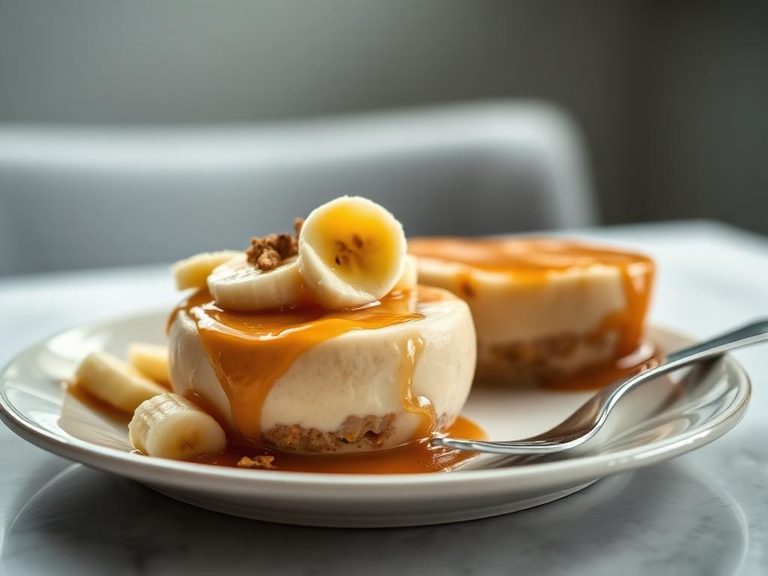
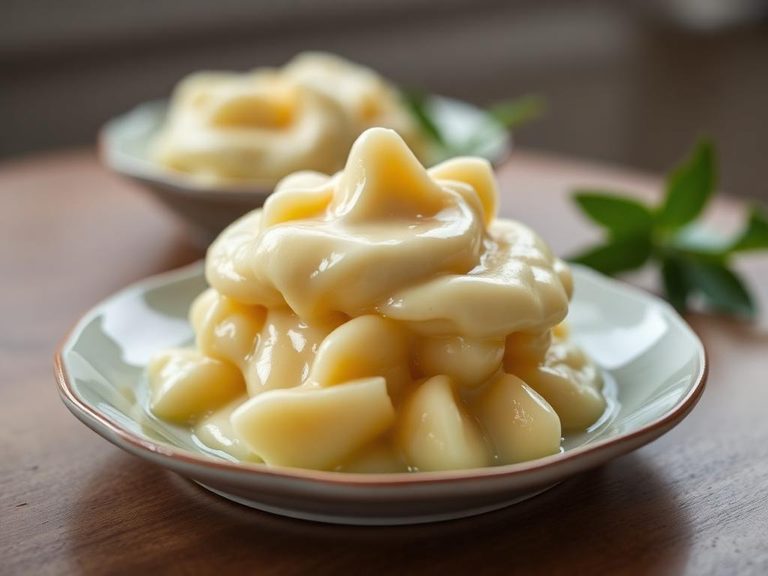
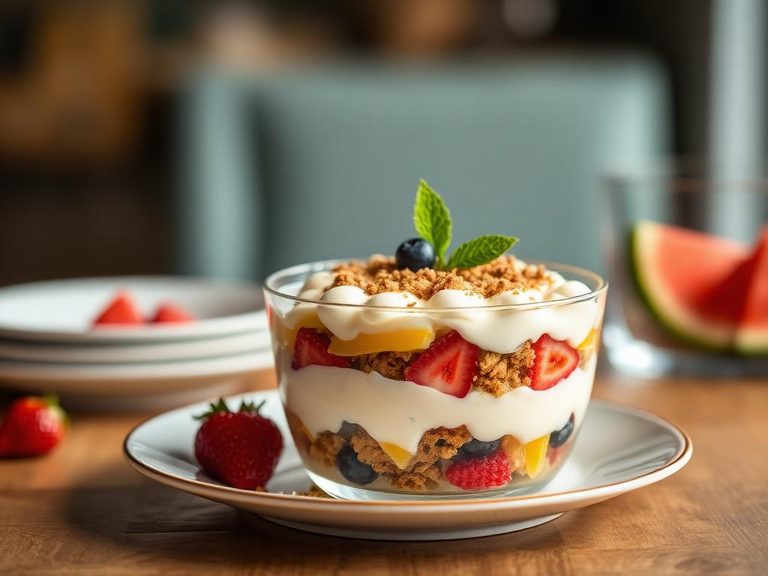
🍽️ Popular dishes
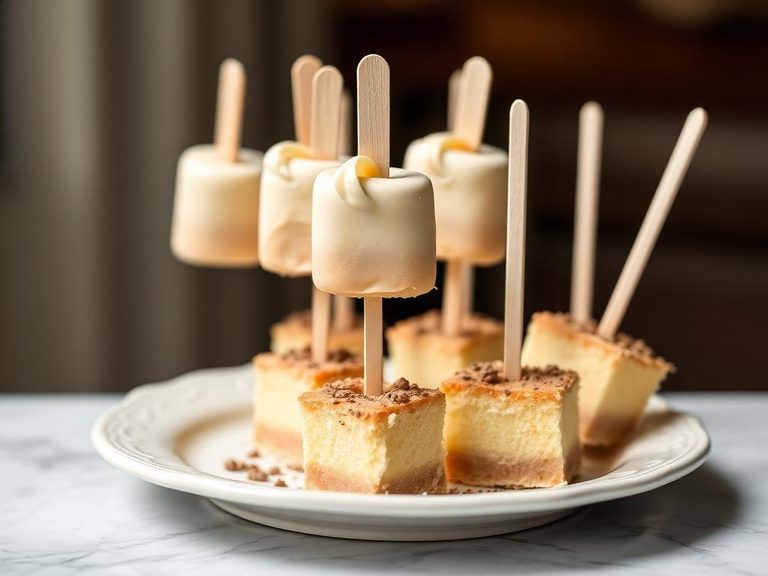
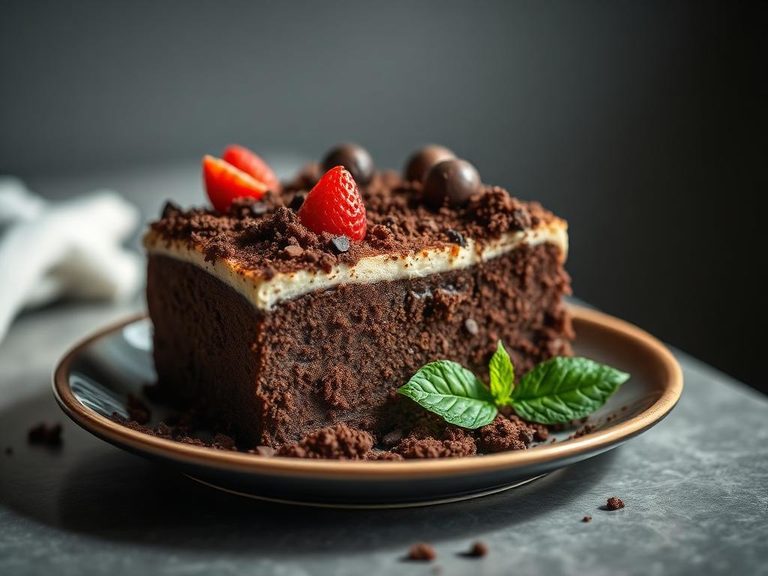
🌍 Where it's eaten
💡 Did you know?
The 'fat-free' label often means manufacturers replace the fat with added sugars or thickeners like modified corn starch to maintain the creamy texture, which is why the carbohydrate count is high.
Full nutrition (USDA data · scales with serving)
| Water | 76.9 g |
| Energy | 89.0 kcal |
| Energy | 371 kj |
| Protein | 2.0 g |
| Total lipid (fat) | 0.00 g |
| Ash | 0.90 g |
| Carbohydrate, by difference | 20.2 g |
| Fiber, total dietary | 0.00 g |
| Total Sugars | 15.1 g |
| Calcium, Ca | 40.0 mg |
| Iron, Fe | 0.36 mg |
| Magnesium, Mg | 7.0 mg |
| Phosphorus, P | 54.0 mg |
| Potassium, K | 108 mg |
| Sodium, Na | 191 mg |
| Zinc, Zn | 0.23 mg |
| Copper, Cu | 0.01 mg |
| Manganese, Mn | 0.00 mg |
| Selenium, Se | 1.7 ug |
| Vitamin C, total ascorbic acid | 1.2 mg |
| Thiamin | 0.02 mg |
| Riboflavin | 0.09 mg |
| Niacin | 0.05 mg |
| Pantothenic acid | 0.20 mg |
| Vitamin B-6 | 0.02 mg |
| Folate, total | 3.0 ug |
| Folic acid | 0.00 ug |
| Folate, food | 3.0 ug |
| Folate, DFE | 3.0 ug |
| Choline, total | 4.8 mg |
| Vitamin B-12 | 0.21 ug |
| Vitamin B-12, added | 0.00 ug |
| Vitamin A, RAE | 1.0 ug |
| Retinol | 0.00 ug |
| Carotene, beta | 5.0 ug |
| Carotene, alpha | 0.00 ug |
| Cryptoxanthin, beta | 0.00 ug |
| Vitamin A, IU | 1.0 iu |
| Lycopene | 0.00 ug |
| Lutein + zeaxanthin | 0.00 ug |
| Vitamin E (alpha-tocopherol) | 0.00 mg |
| Vitamin E, added | 0.00 mg |
| Tocopherol, beta | 0.00 mg |
| Tocopherol, gamma | 0.00 mg |
| Tocopherol, delta | 0.00 mg |
| Vitamin D (D2 + D3), International Units | 0.00 iu |
| Vitamin D (D2 + D3) | 0.00 ug |
| Vitamin D3 (cholecalciferol) | 0.00 ug |
| Vitamin K (phylloquinone) | 0.00 ug |
| Alcohol, ethyl | 0.00 g |
| Caffeine | 0.00 mg |
| Theobromine | 0.00 mg |
Fat & fatty acid profile (per 100g)
| Fatty acids, total saturated | 0.00 g |
| SFA 4:0 | 0.00 g |
| SFA 6:0 | 0.00 g |
| SFA 8:0 | 0.00 g |
| SFA 10:0 | 0.00 g |
| SFA 12:0 | 0.00 g |
| SFA 14:0 | 0.00 g |
| SFA 16:0 | 0.00 g |
| SFA 18:0 | 0.00 g |
| Fatty acids, total monounsaturated | 0.00 g |
| MUFA 16:1 | 0.00 g |
| MUFA 18:1 | 0.00 g |
| MUFA 20:1 | 0.00 g |
| MUFA 22:1 | 0.00 g |
| Fatty acids, total polyunsaturated | 0.00 g |
| PUFA 18:2 | 0.00 g |
| PUFA 18:3 | 0.00 g |
| PUFA 18:4 | 0.00 g |
| PUFA 20:4 | 0.00 g |
| PUFA 20:5 n-3 (EPA) | 0.00 g |
| PUFA 22:5 n-3 (DPA) | 0.00 g |
| PUFA 22:6 n-3 (DHA) | 0.00 g |
| Cholesterol | 0.00 mg |
Amino acid profile (per 100g)
Estimated from Puddings, rice, dry mix, prepared with 2% milk — USDA does not publish this profile for Puddings.
| Tryptophan | 0.04 g |
| Threonine | 0.13 g |
| Isoleucine | 0.17 g |
| Leucine | 0.27 g |
| Lysine | 0.22 g |
| Methionine | 0.07 g |
| Cystine | 0.03 g |
| Phenylalanine | 0.14 g |
| Tyrosine | 0.14 g |
| Valine | 0.19 g |
| Arginine | 0.10 g |
| Histidine | 0.07 g |
| Alanine | 0.10 g |
| Aspartic acid | 0.21 g |
| Glutamic acid | 0.58 g |
| Glycine | 0.06 g |
| Proline | 0.27 g |
| Serine | 0.15 g |
FAQ
Is fat-free pudding healthy?
It can be part of a balanced diet as an occasional treat. While fat-free, it is high in sugar and processed carbohydrates. Its healthiness depends on your overall dietary context and portion size.
What is the texture like?
It has a very smooth, uniform, and creamy texture that is soft enough to eat with a spoon but holds its shape. It is typically thicker than yogurt but lighter than a custard.
How does it differ from regular vanilla pudding?
The primary difference is the absence of fat, which is often replaced with more sugar and starches to compensate for the loss of richness and mouthfeel. Regular pudding will have a higher calorie and fat count.
Nutrient density (calculated · NRF9.3)
Nutrient Rich Foods index: beneficial nutrients (protein, fiber, vitamins, minerals) minus saturated fat, added sugar & sodium, per 100 kcal.
NRF9.3 index — Fulgoni, Keast & Drewnowski, 2009. Computed from USDA nutrients.
Weight-loss friendliness (composite index)
Energy density 0.89 kcal/g · 9% calories from protein · 0.0 g fiber · 15.1 g sugar per 100 g.
Composite of energy density (Rolls et al., 1999), protein & fiber satiety, minus sugar. A calculated heuristic — ranks satiety-per-calorie, not a clinical measure.
Dietary load (calculated from USDA values)
Potential renal acid load. Positive = acid-forming, negative = alkaline-forming.
Sodium-to-potassium ratio: 1.77 (lower is better — aim for ≤ 1)
Sodium:potassium per WHO potassium guidance. Computed from USDA nutrients.