

Potatoes, russet, without skin, raw
Whole food · Vegetables and Vegetable Products
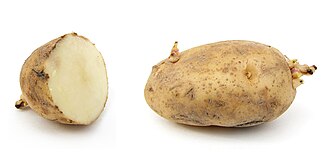
Photo: Wikipedia
The russet potato, peeled and raw, is the starchy workhorse of the American kitchen, offering a mild, earthy flavor and a dense, slightly grainy texture that transforms into fluffy perfection when cooked. Its high carbohydrate content provides a substantial energy source, while its neutral profile makes it a blank canvas for countless culinary preparations. Nutritionally, it delivers a solid dose of potassium and vitamin C, though its lack of fiber in this form means it's a quick-digesting energy source.
Calorie split: 11% protein · 85% carbs · 4% fat
↓ Full nutrition💚 Why it's loved
People adore the russet potato for its incredible versatility and comforting, mild flavor that pairs with almost anything. Its ability to become crispy on the outside and fluffy on the inside makes it the gold standard for baked, mashed, and fried preparations across many cultures.
⚠️ Watch-outs & how to enjoy it better
The high glycemic index can cause rapid blood-sugar spikes, especially when peeled and boiled without skin. To counteract this, pair with a source of protein or fat (like butter, cheese, or beans) and consider leaving some skin on for added fiber to slow digestion.
Key benefits
- Excellent source of potassium, supporting heart and muscle function.
- Provides vitamin C, an antioxidant that aids immune health.
- High in complex carbohydrates for sustained energy.
- Naturally gluten-free and low in fat.
- Versatile base for a wide variety of dishes.
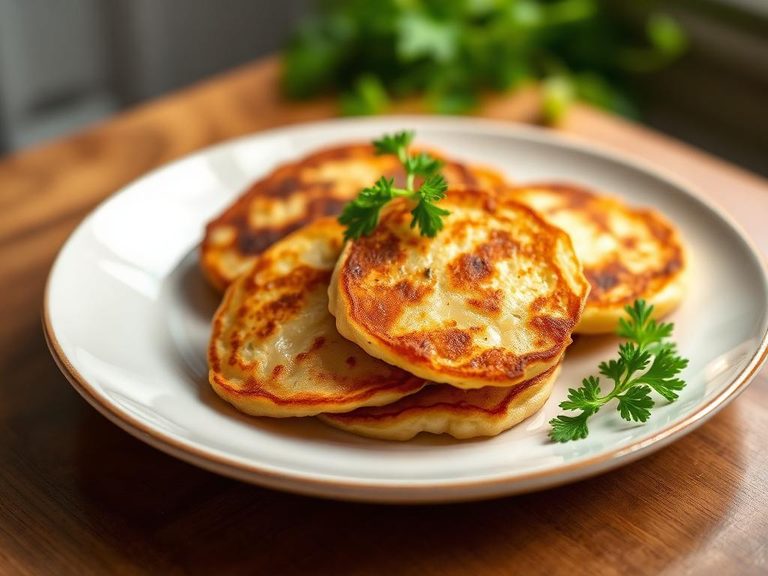
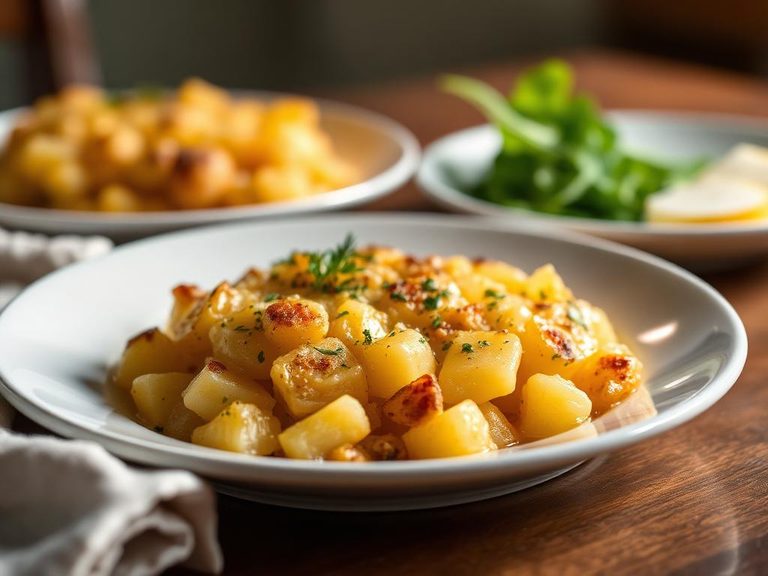
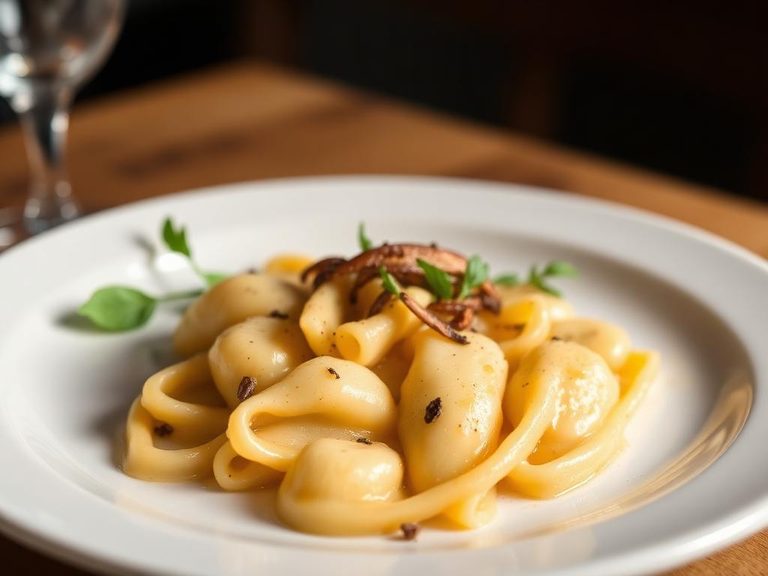
🍽️ Popular dishes
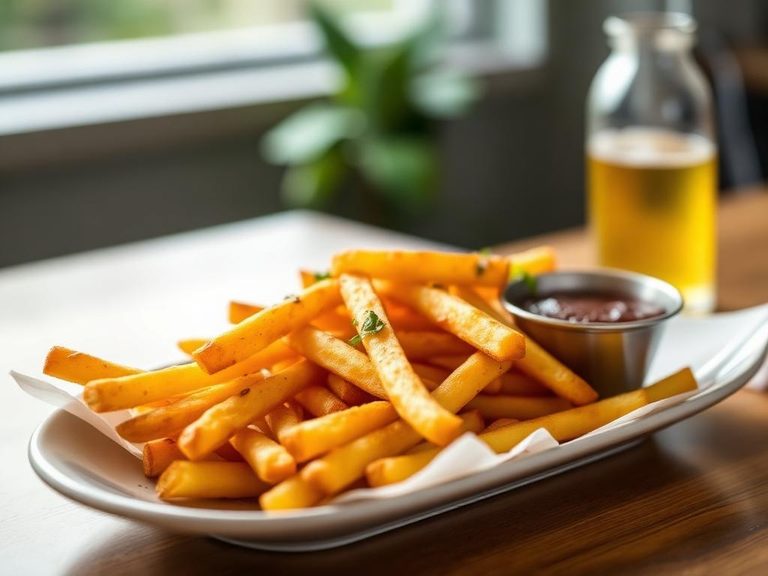
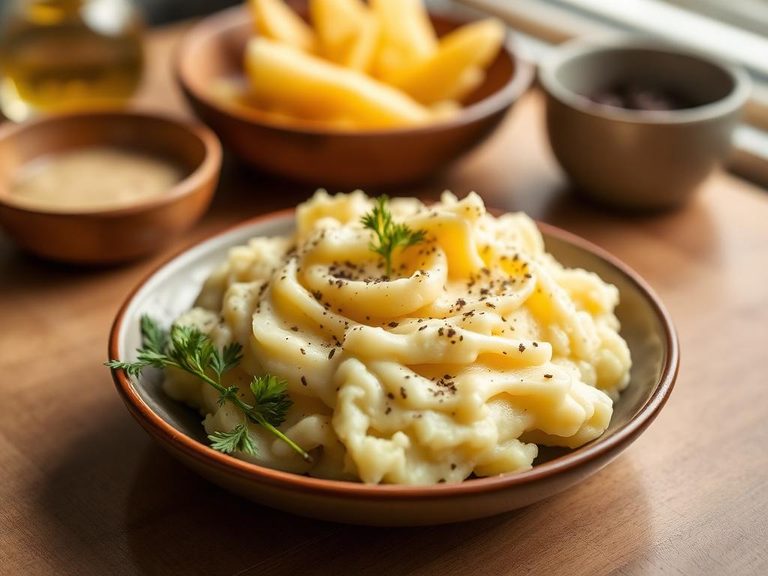
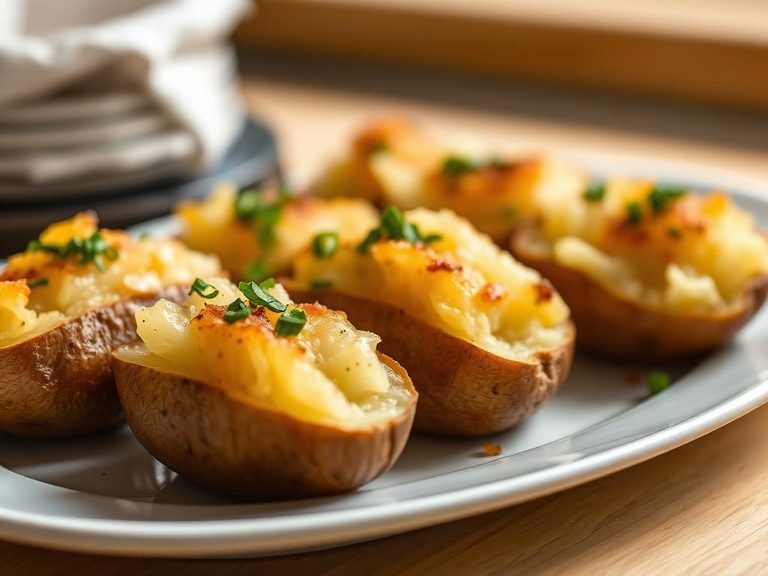
🌍 Where it's eaten
💡 Did you know?
The russet potato was developed in the 1870s by a farmer in Massachusetts who crossed a white potato with a rough-skinned variety from the mountains of Peru, creating the iconic Idaho potato.
Full nutrition (USDA data · scales with serving)
| Water | 78.6 g |
| Energy (Atwater General Factors) | 83.4 kcal |
| Energy (Atwater Specific Factors) | 81.0 kcal |
| Nitrogen | 0.36 g |
| Protein | 2.3 g |
| Total lipid (fat) | 0.36 g |
| Ash | 0.98 g |
| Carbohydrate, by difference | 17.8 g |
| Total dietary fiber (AOAC 2011.25) | 14.9 g |
| High Molecular Weight Dietary Fiber (HMWDF) | 13.8 g |
| Low Molecular Weight Dietary Fiber (LMWDF) | 1.1 g |
| Sugars, Total | 0.53 g |
| Sucrose | 0.07 g |
| Glucose | 0.16 g |
| Fructose | 0.29 g |
| Lactose | 0.00 g |
| Maltose | 0.00 g |
| Calcium, Ca | 7.8 mg |
| Iron, Fe | 0.38 mg |
| Magnesium, Mg | 25.6 mg |
| Phosphorus, P | 55.2 mg |
| Potassium, K | 450 mg |
| Sodium, Na | 2.7 mg |
| Zinc, Zn | 0.38 mg |
| Copper, Cu | 0.09 mg |
| Manganese, Mn | 0.15 mg |
| Selenium, Se | 0.00 ug |
| Molybdenum, Mo | 4.9 ug |
| Vitamin C, total ascorbic acid | 10.9 mg |
| Thiamin | 0.07 mg |
| Niacin | 1.5 mg |
| Vitamin B-6 | 0.16 mg |
| Vitamin K (phylloquinone) | 1.5 ug |
| Vitamin K (Dihydrophylloquinone) | 0.00 ug |
| Vitamin K (Menaquinone-4) | 0.00 ug |
Fat & fatty acid profile (per 100g)
Estimated from Potatoes, french fried, all types, salt added in processing, frozen, unprepared — USDA does not publish this profile for Potatoes.
| Fatty acids, total saturated | 1.0 g |
| SFA 4:0 | 0.00 g |
| SFA 6:0 | 0.00 g |
| SFA 8:0 | 0.00 g |
| SFA 10:0 | 0.00 g |
| SFA 12:0 | 0.00 g |
| SFA 14:0 | 0.00 g |
| SFA 15:0 | 0.00 g |
| SFA 16:0 | 0.53 g |
| SFA 17:0 | 0.00 g |
| SFA 18:0 | 0.43 g |
| SFA 20:0 | 0.02 g |
| SFA 22:0 | 0.02 g |
| Fatty acids, total monounsaturated | 3.2 g |
| MUFA 14:1 | 0.00 g |
| MUFA 15:1 | 0.00 g |
| MUFA 16:1 | 0.01 g |
| MUFA 17:1 | 0.00 g |
| MUFA 18:1 | 3.1 g |
| MUFA 20:1 | 0.01 g |
| Fatty acids, total polyunsaturated | 0.30 g |
| PUFA 18:2 | 0.26 g |
| PUFA 18:3 | 0.02 g |
| PUFA 18:3 n-3 c,c,c (ALA) | 0.02 g |
| PUFA 18:3 n-6 c,c,c | 0.00 g |
| PUFA 18:4 | 0.00 g |
| PUFA 20:2 n-6 c,c | 0.00 g |
| PUFA 20:3 | 0.00 g |
| PUFA 20:4 | 0.00 g |
| PUFA 20:5 n-3 (EPA) | 0.00 g |
| PUFA 22:5 n-3 (DPA) | 0.00 g |
| PUFA 22:6 n-3 (DHA) | 0.00 g |
| Cholesterol | 0.00 mg |
Amino acid profile (per 100g)
Estimated from Potatoes, french fried, all types, salt added in processing, frozen, unprepared — USDA does not publish this profile for Potatoes.
| Tryptophan | 0.02 g |
| Threonine | 0.08 g |
| Isoleucine | 0.08 g |
| Leucine | 0.13 g |
| Lysine | 0.13 g |
| Methionine | 0.04 g |
| Cystine | 0.04 g |
| Phenylalanine | 0.10 g |
| Tyrosine | 0.08 g |
| Valine | 0.12 g |
| Arginine | 0.13 g |
| Histidine | 0.05 g |
| Alanine | 0.09 g |
| Aspartic acid | 0.50 g |
| Glutamic acid | 0.40 g |
| Glycine | 0.07 g |
| Proline | 0.08 g |
| Serine | 0.10 g |
FAQ
What's the difference between russet and other potatoes?
Russet potatoes have a high starch content and low moisture, making them ideal for baking, frying, and mashing. Their thick, rough skin and white, fluffy flesh set them apart from waxy varieties like red or Yukon gold potatoes.
Is it healthier to eat potatoes with or without skin?
Eating potatoes with the skin on significantly increases fiber, vitamin, and mineral intake. The skin also helps slow the digestion of carbohydrates, leading to a more gradual blood-sugar response.
Can raw potatoes be eaten?
Raw potatoes are not recommended for consumption due to their tough texture and the presence of solanine, a natural compound that can cause digestive discomfort. Cooking breaks down solanine and makes the potato more digestible.
Nutrient density (calculated · NRF9.3)
Nutrient Rich Foods index: beneficial nutrients (protein, fiber, vitamins, minerals) minus saturated fat, added sugar & sodium, per 100 kcal.
NRF9.3 index — Fulgoni, Keast & Drewnowski, 2009. Computed from USDA nutrients.
Weight-loss friendliness (composite index)
Energy density 0.83 kcal/g · 11% calories from protein · 0.0 g fiber · 0.0 g sugar per 100 g.
Composite of energy density (Rolls et al., 1999), protein & fiber satiety, minus sugar. A calculated heuristic — ranks satiety-per-calorie, not a clinical measure.
Dietary load (calculated from USDA values)
Potential renal acid load. Positive = acid-forming, negative = alkaline-forming.
Sodium-to-potassium ratio: 0.01 (lower is better — aim for ≤ 1)
Sodium:potassium per WHO potassium guidance. Computed from USDA nutrients.