

Mung beans, mature seeds, sprouted, cooked, boiled, drained, with salt
Whole food · Vegetables and Vegetable Products

Photo: Wikipedia
These are the tender, sprouted seeds of the mung bean, briefly boiled until just tender. They have a crisp, fresh texture and a mild, slightly sweet, nutty flavor. Nutritionally, they are a low-calorie, high-protein food with minimal fat.
Calorie split: 35% protein · 62% carbs · 3% fat
↓ Full nutrition💚 Why it's loved
People love them for their satisfying crunch and ability to absorb flavors in stir-fries and salads. They are a staple in many Asian cuisines, valued for their lightness and nutritional punch.
⚠️ Watch-outs & how to enjoy it better
The added salt in this preparation can contribute to excess sodium intake. To counteract this, rinse the beans briefly before serving or pair them with unsalted foods. Some may experience digestive gas from the fiber; start with small portions and ensure thorough cooking.
Key benefits
- Excellent source of plant-based protein
- Very low in calories and fat
- Good source of dietary fiber
- Contains natural sugars for quick energy
- Rich in vitamins like folate and vitamin C from sprouting
🍽️ Popular dishes
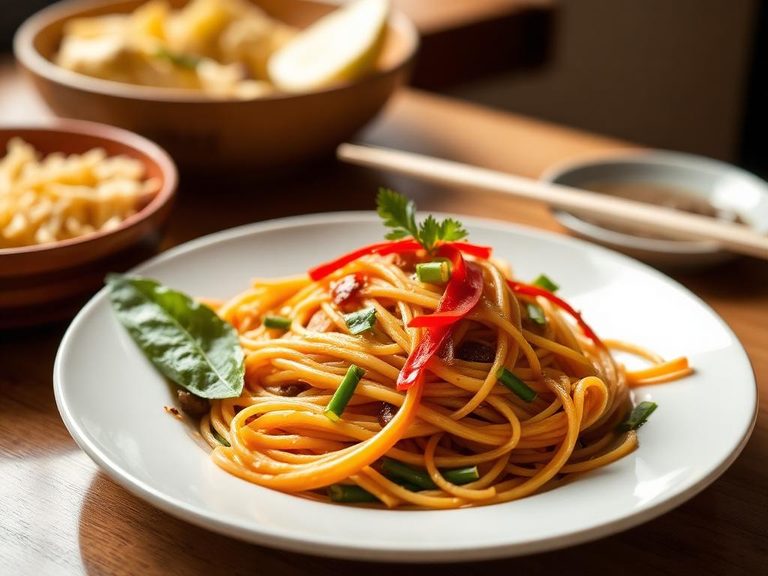
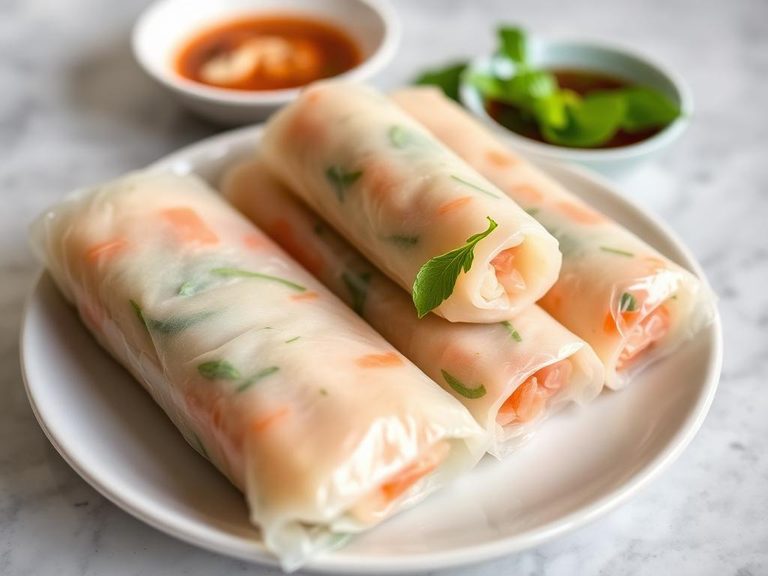
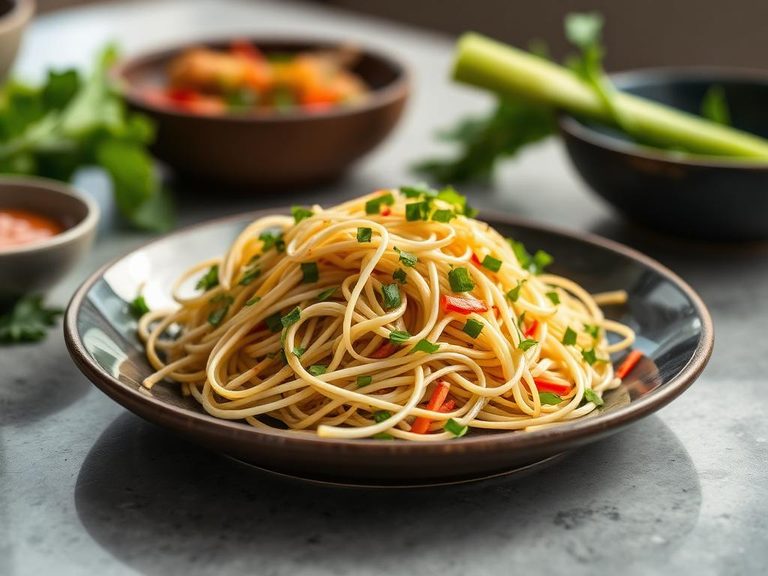
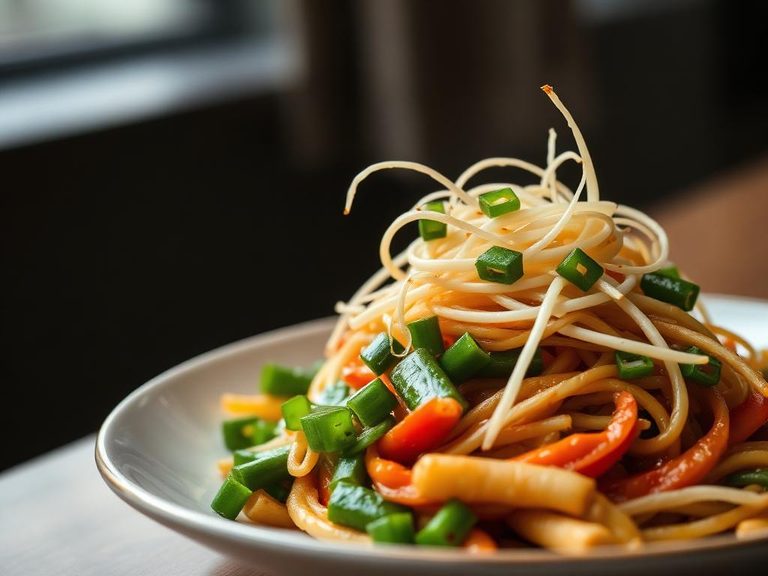
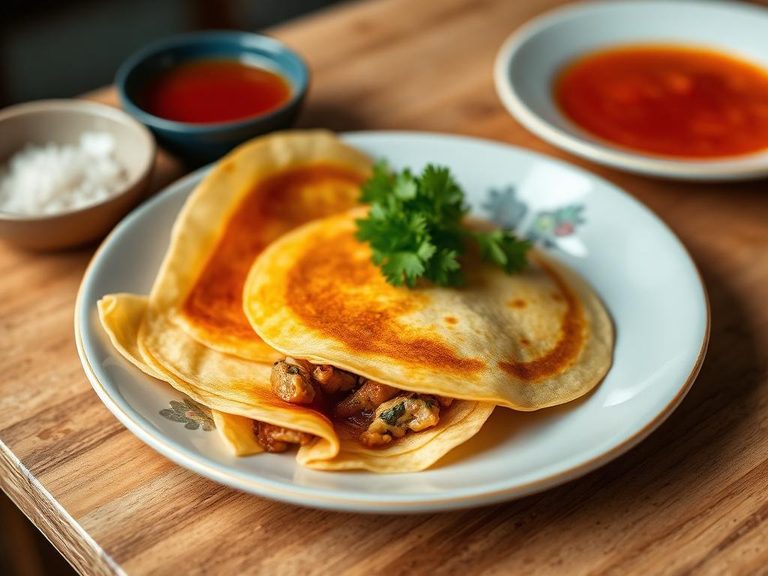
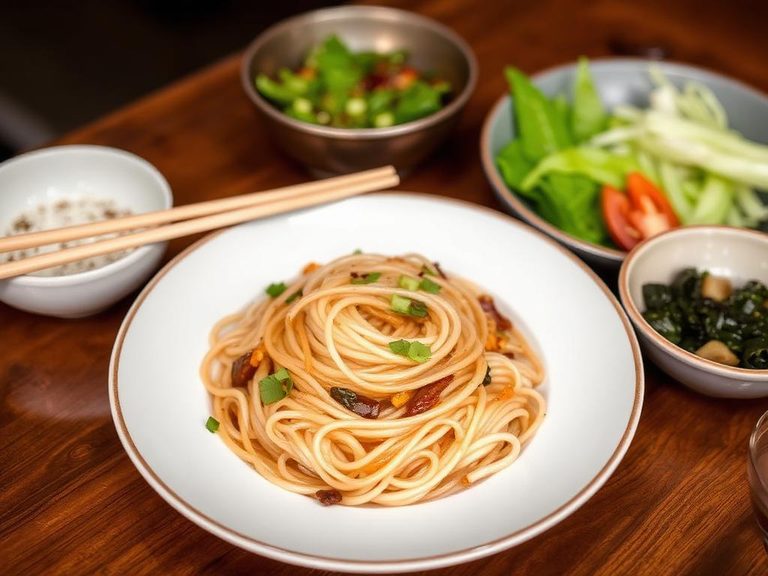
🌍 Where it's eaten
💡 Did you know?
Mung bean sprouts are one of the few vegetables that are commonly eaten both raw and cooked, depending on the cuisine.
Full nutrition (USDA data · scales with serving)
| Water | 93.4 g |
| Energy | 19.0 kcal |
| Energy | 78.0 kj |
| Protein | 2.0 g |
| Total lipid (fat) | 0.09 g |
| Ash | 0.89 g |
| Carbohydrate, by difference | 3.6 g |
| Fiber, total dietary | 0.80 g |
| Total Sugars | 2.8 g |
| Calcium, Ca | 12.0 mg |
| Iron, Fe | 0.65 mg |
| Magnesium, Mg | 14.0 mg |
| Phosphorus, P | 28.0 mg |
| Potassium, K | 101 mg |
| Sodium, Na | 246 mg |
| Zinc, Zn | 0.47 mg |
| Copper, Cu | 0.12 mg |
| Manganese, Mn | 0.14 mg |
| Selenium, Se | 0.60 ug |
| Vitamin C, total ascorbic acid | 11.4 mg |
| Thiamin | 0.05 mg |
| Riboflavin | 0.10 mg |
| Niacin | 0.82 mg |
| Pantothenic acid | 0.24 mg |
| Vitamin B-6 | 0.05 mg |
| Folate, total | 29.0 ug |
| Folic acid | 0.00 ug |
| Folate, food | 29.0 ug |
| Folate, DFE | 29.0 ug |
| Choline, total | 9.9 mg |
| Vitamin B-12 | 0.00 ug |
| Vitamin B-12, added | 0.00 ug |
| Vitamin A, RAE | 1.0 ug |
| Retinol | 0.00 ug |
| Carotene, beta | 4.0 ug |
| Carotene, alpha | 4.0 ug |
| Cryptoxanthin, beta | 4.0 ug |
| Vitamin A, IU | 13.0 iu |
| Lycopene | 0.00 ug |
| Lutein + zeaxanthin | 0.00 ug |
| Vitamin E (alpha-tocopherol) | 0.07 mg |
| Vitamin E, added | 0.00 mg |
| Vitamin D (D2 + D3), International Units | 0.00 iu |
| Vitamin D (D2 + D3) | 0.00 ug |
| Vitamin K (phylloquinone) | 22.7 ug |
| Alcohol, ethyl | 0.00 g |
| Caffeine | 0.00 mg |
| Theobromine | 0.00 mg |
Fat & fatty acid profile (per 100g)
| Fatty acids, total saturated | 0.03 g |
| SFA 4:0 | 0.00 g |
| SFA 6:0 | 0.00 g |
| SFA 8:0 | 0.00 g |
| SFA 10:0 | 0.00 g |
| SFA 12:0 | 0.00 g |
| SFA 14:0 | 0.00 g |
| SFA 16:0 | 0.02 g |
| SFA 18:0 | 0.01 g |
| Fatty acids, total monounsaturated | 0.01 g |
| MUFA 16:1 | 0.00 g |
| MUFA 18:1 | 0.01 g |
| MUFA 20:1 | 0.00 g |
| MUFA 22:1 | 0.00 g |
| Fatty acids, total polyunsaturated | 0.03 g |
| PUFA 18:2 | 0.02 g |
| PUFA 18:3 | 0.01 g |
| PUFA 18:4 | 0.00 g |
| PUFA 20:4 | 0.00 g |
| PUFA 20:5 n-3 (EPA) | 0.00 g |
| PUFA 22:5 n-3 (DPA) | 0.00 g |
| PUFA 22:6 n-3 (DHA) | 0.00 g |
| Fatty acids, total trans | 0.00 g |
| Cholesterol | 0.00 mg |
Amino acid profile (per 100g)
| Tryptophan | 0.03 g |
| Threonine | 0.06 g |
| Isoleucine | 0.10 g |
| Leucine | 0.13 g |
| Lysine | 0.12 g |
| Methionine | 0.03 g |
| Cystine | 0.01 g |
| Phenylalanine | 0.09 g |
| Tyrosine | 0.04 g |
| Valine | 0.10 g |
| Arginine | 0.15 g |
| Histidine | 0.05 g |
| Alanine | 0.07 g |
| Aspartic acid | 0.35 g |
| Glutamic acid | 0.12 g |
| Glycine | 0.05 g |
| Serine | 0.02 g |
FAQ
How are these different from regular mung beans?
These are the sprouted, young version of the mature mung bean seed, which has a much softer texture, milder flavor, and different nutritional profile (higher in vitamin C, lower in starch).
Can I eat them raw?
Yes, they are often eaten raw in salads and spring rolls, but ensure they are fresh and well-washed. Cooking reduces the risk of foodborne illness.
Why are they sometimes called 'bean sprouts'?
The term 'bean sprouts' is a general category, but in many contexts, it specifically refers to sprouted mung beans, which are the most common type used in Asian cooking.
Nutrient density (calculated · NRF9.3)
Nutrient Rich Foods index: beneficial nutrients (protein, fiber, vitamins, minerals) minus saturated fat, added sugar & sodium, per 100 kcal.
NRF9.3 index — Fulgoni, Keast & Drewnowski, 2009. Computed from USDA nutrients.
Weight-loss friendliness (composite index)
Energy density 0.19 kcal/g · 43% calories from protein · 0.8 g fiber · 2.8 g sugar per 100 g.
Composite of energy density (Rolls et al., 1999), protein & fiber satiety, minus sugar. A calculated heuristic — ranks satiety-per-calorie, not a clinical measure.
Dietary load (calculated from USDA values)
Potential renal acid load. Positive = acid-forming, negative = alkaline-forming.
Sodium-to-potassium ratio: 2.44 (lower is better — aim for ≤ 1)
Sodium:potassium per WHO potassium guidance. Computed from USDA nutrients.