

Mung beans, mature seeds, cooked, boiled, without salt
Whole food · Legumes and Legume Products

Photo: Wikipedia
Boiled mung beans are small, olive-green legumes that transform into tender, slightly earthy morsels with a subtle, nutty sweetness. Their texture is soft yet holds its shape, making them ideal for both savory and sweet dishes. Nutritionally, they are a low-calorie powerhouse, delivering an impressive 7 grams of protein and 7.6 grams of fiber per 100g serving.
Calorie split: 26% protein · 71% carbs · 3% fat
↓ Full nutrition💚 Why it's loved
People cherish mung beans for their remarkable versatility—they can be the hearty base of a savory stew, the smooth heart of a sweet dessert soup, or a refreshing sprout in salads. Their mild, adaptable flavor also makes them a staple in countless cultural cuisines.
⚠️ Watch-outs & how to enjoy it better
Their high fiber content can cause digestive discomfort like bloating if introduced too quickly into the diet. To counteract this, start with smaller portions, ensure they are thoroughly cooked, and increase water intake. They also contain lectins, which are neutralized by proper boiling.
Key benefits
- Excellent plant-based protein source
- High in dietary fiber for digestive health
- Very low in fat
- Good source of folate and manganese
- Naturally low in sodium
🍽️ Popular dishes
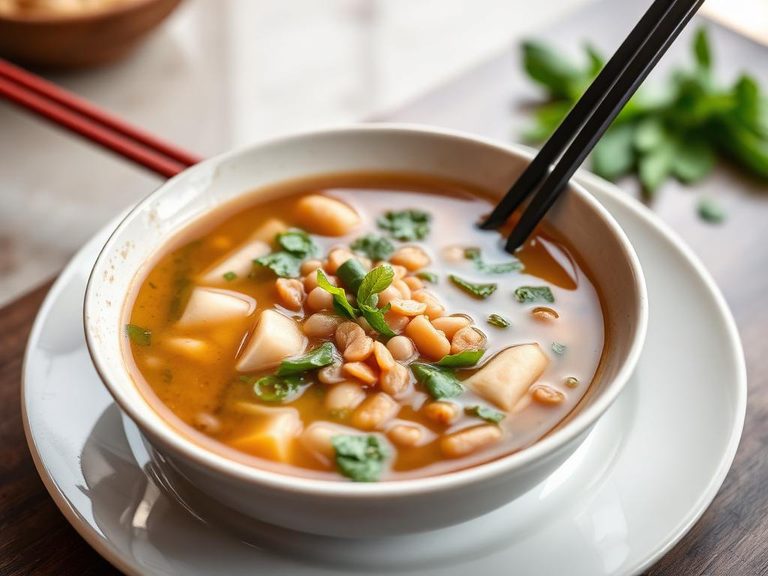
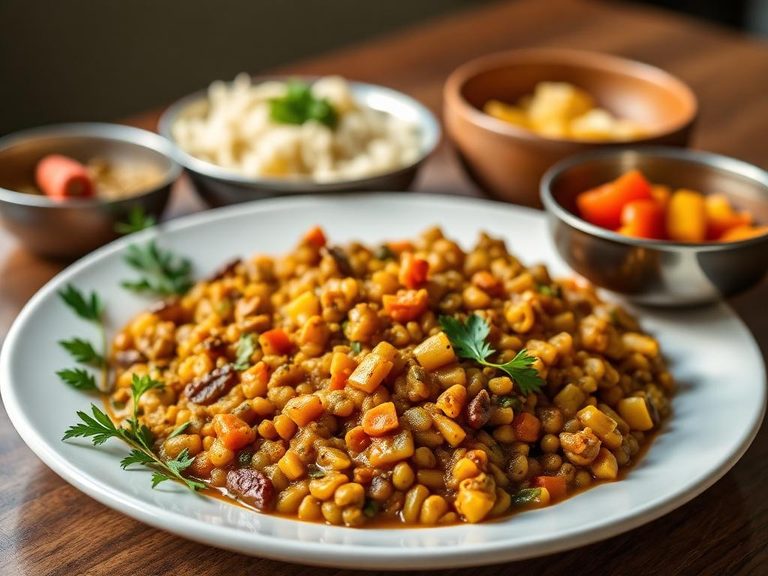
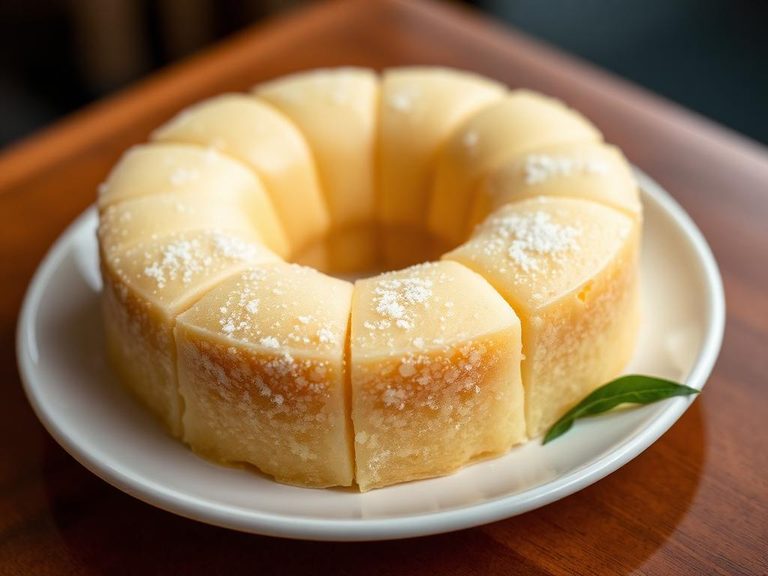
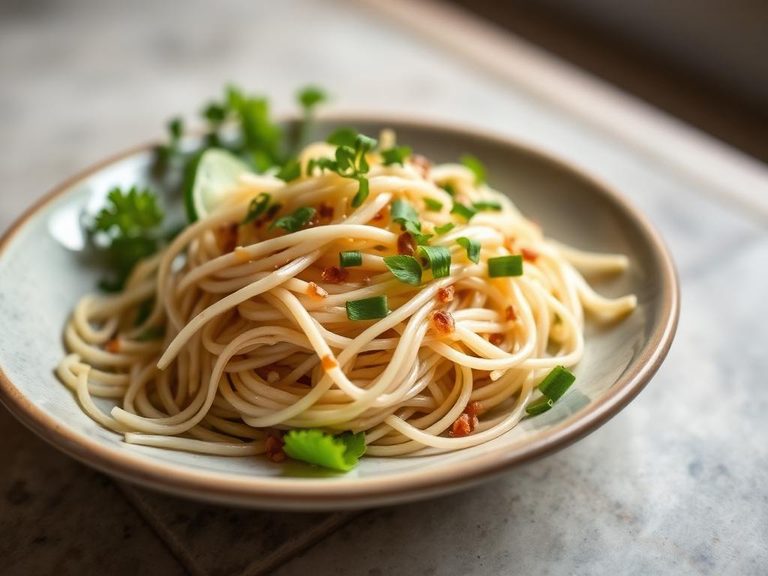
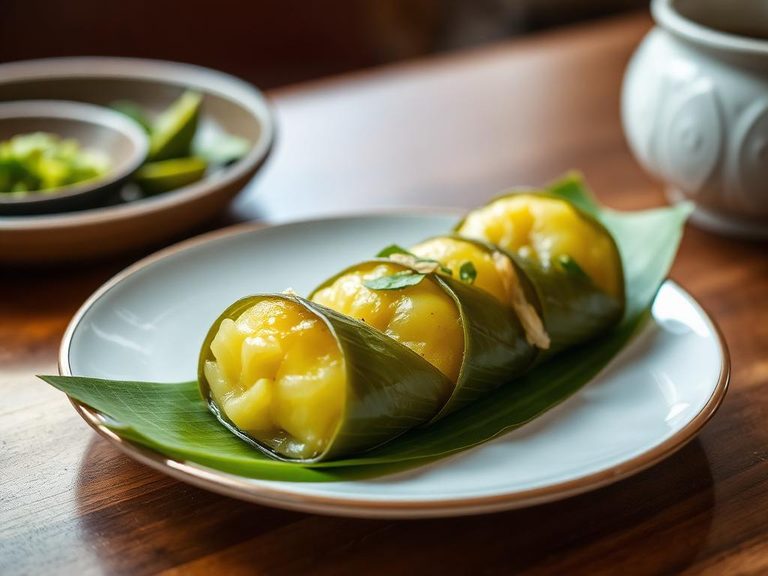
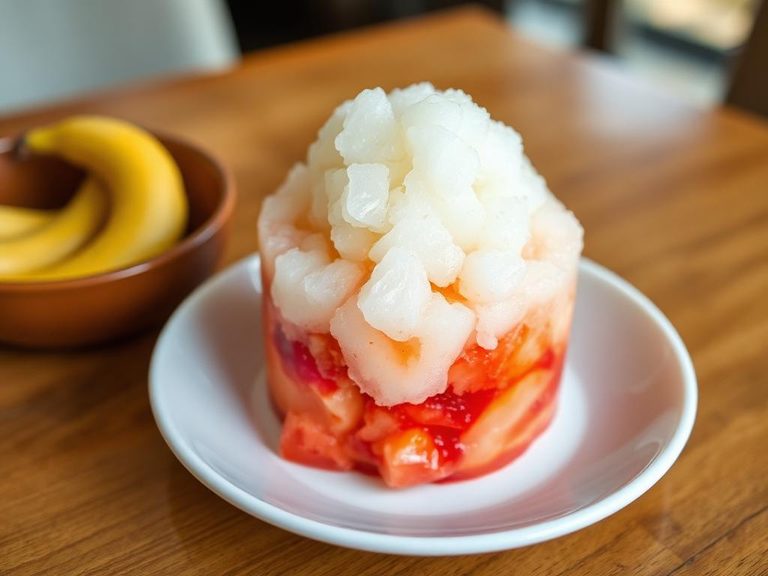
🌍 Where it's eaten
💡 Did you know?
Mung beans are one of the fastest seeds to sprout, often ready in just 3-5 days, which is why they are a top choice for fresh bean sprouts worldwide.
Full nutrition (USDA data · scales with serving)
| Water | 72.7 g |
| Energy | 105 kcal |
| Energy | 441 kj |
| Protein | 7.0 g |
| Total lipid (fat) | 0.38 g |
| Ash | 0.79 g |
| Carbohydrate, by difference | 19.1 g |
| Fiber, total dietary | 7.6 g |
| Total Sugars | 2.0 g |
| Calcium, Ca | 27.0 mg |
| Iron, Fe | 1.4 mg |
| Magnesium, Mg | 48.0 mg |
| Phosphorus, P | 99.0 mg |
| Potassium, K | 266 mg |
| Sodium, Na | 2.0 mg |
| Zinc, Zn | 0.84 mg |
| Copper, Cu | 0.16 mg |
| Manganese, Mn | 0.30 mg |
| Selenium, Se | 2.5 ug |
| Vitamin C, total ascorbic acid | 1.0 mg |
| Thiamin | 0.16 mg |
| Riboflavin | 0.06 mg |
| Niacin | 0.58 mg |
| Pantothenic acid | 0.41 mg |
| Vitamin B-6 | 0.07 mg |
| Folate, total | 159 ug |
| Folic acid | 0.00 ug |
| Folate, food | 159 ug |
| Folate, DFE | 159 ug |
| Choline, total | 29.4 mg |
| Vitamin B-12 | 0.00 ug |
| Vitamin B-12, added | 0.00 ug |
| Vitamin A, RAE | 1.0 ug |
| Retinol | 0.00 ug |
| Carotene, beta | 14.0 ug |
| Carotene, alpha | 0.00 ug |
| Cryptoxanthin, beta | 0.00 ug |
| Vitamin A, IU | 24.0 iu |
| Lycopene | 0.00 ug |
| Lutein + zeaxanthin | 0.00 ug |
| Vitamin E (alpha-tocopherol) | 0.15 mg |
| Vitamin E, added | 0.00 mg |
| Vitamin D (D2 + D3), International Units | 0.00 iu |
| Vitamin D (D2 + D3) | 0.00 ug |
| Vitamin K (phylloquinone) | 2.7 ug |
| Alcohol, ethyl | 0.00 g |
| Caffeine | 0.00 mg |
| Theobromine | 0.00 mg |
Fat & fatty acid profile (per 100g)
| Fatty acids, total saturated | 0.12 g |
| SFA 4:0 | 0.00 g |
| SFA 6:0 | 0.00 g |
| SFA 8:0 | 0.00 g |
| SFA 10:0 | 0.00 g |
| SFA 12:0 | 0.00 g |
| SFA 14:0 | 0.00 g |
| SFA 16:0 | 0.08 g |
| SFA 18:0 | 0.02 g |
| Fatty acids, total monounsaturated | 0.05 g |
| MUFA 16:1 | 0.00 g |
| MUFA 18:1 | 0.05 g |
| MUFA 20:1 | 0.00 g |
| MUFA 22:1 | 0.00 g |
| Fatty acids, total polyunsaturated | 0.13 g |
| PUFA 18:2 | 0.12 g |
| PUFA 18:3 | 0.01 g |
| PUFA 18:4 | 0.00 g |
| PUFA 20:4 | 0.00 g |
| PUFA 20:5 n-3 (EPA) | 0.00 g |
| PUFA 22:5 n-3 (DPA) | 0.00 g |
| PUFA 22:6 n-3 (DHA) | 0.00 g |
| Fatty acids, total trans | 0.00 g |
| Cholesterol | 0.00 mg |
Amino acid profile (per 100g)
| Tryptophan | 0.08 g |
| Threonine | 0.23 g |
| Isoleucine | 0.30 g |
| Leucine | 0.54 g |
| Lysine | 0.49 g |
| Methionine | 0.08 g |
| Cystine | 0.06 g |
| Phenylalanine | 0.42 g |
| Tyrosine | 0.21 g |
| Valine | 0.36 g |
| Arginine | 0.49 g |
| Histidine | 0.20 g |
| Alanine | 0.31 g |
| Aspartic acid | 0.81 g |
| Glutamic acid | 1.3 g |
| Glycine | 0.28 g |
| Proline | 0.32 g |
| Serine | 0.35 g |
FAQ
Do mung beans need to be soaked before cooking?
Soaking for 4-8 hours or overnight is recommended. It softens the beans, reduces cooking time, and can improve digestibility by helping to break down compounds like phytic acid.
How do mung beans differ from lentils or chickpeas?
Mung beans are smaller, cook faster, and have a milder, slightly sweeter flavor. Nutritionally, they are lower in fat than chickpeas and have a different fiber profile than many lentils, making them easier for some to digest.
Are mung bean sprouts the same as the cooked beans?
No. Sprouts are the germinated seeds, eaten raw or lightly cooked for a crunchy texture. The nutritional profile changes during sprouting, often increasing vitamin content and reducing anti-nutrients.
Nutrient density (calculated · NRF9.3)
Nutrient Rich Foods index: beneficial nutrients (protein, fiber, vitamins, minerals) minus saturated fat, added sugar & sodium, per 100 kcal.
NRF9.3 index — Fulgoni, Keast & Drewnowski, 2009. Computed from USDA nutrients.
Weight-loss friendliness (composite index)
Energy density 1.05 kcal/g · 27% calories from protein · 7.6 g fiber · 2.0 g sugar per 100 g.
Composite of energy density (Rolls et al., 1999), protein & fiber satiety, minus sugar. A calculated heuristic — ranks satiety-per-calorie, not a clinical measure.
Dietary load (calculated from USDA values)
Potential renal acid load. Positive = acid-forming, negative = alkaline-forming.
Sodium-to-potassium ratio: 0.01 (lower is better — aim for ≤ 1)
Sodium:potassium per WHO potassium guidance. Computed from USDA nutrients.