Mung Bean Sprouts
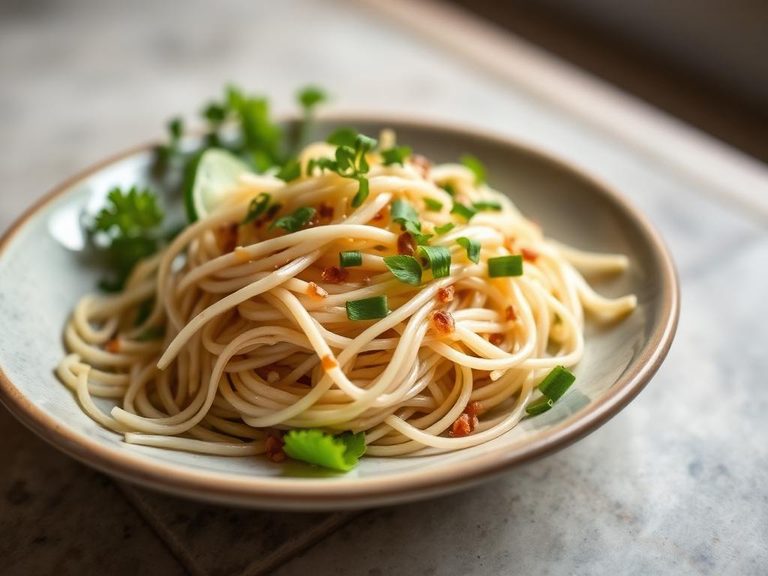
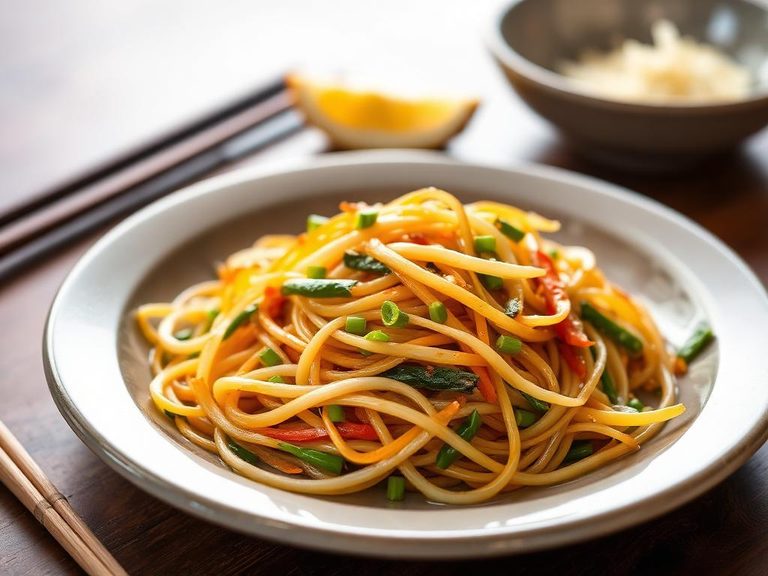
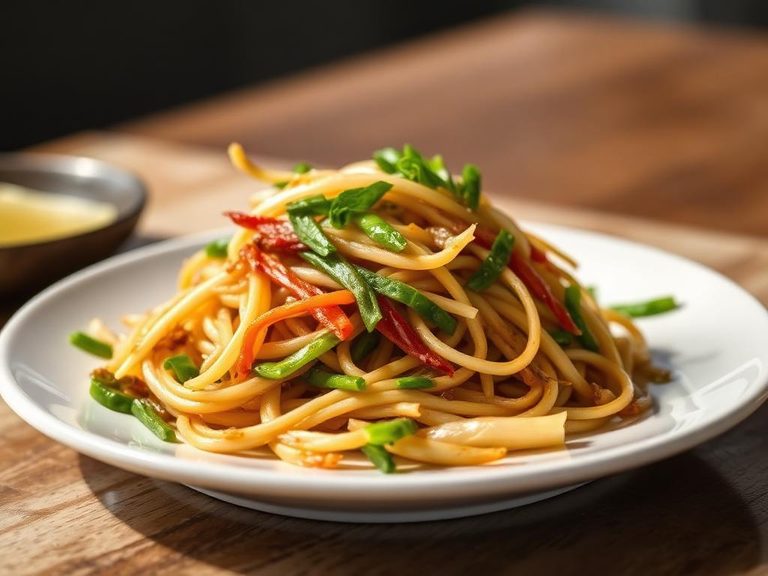
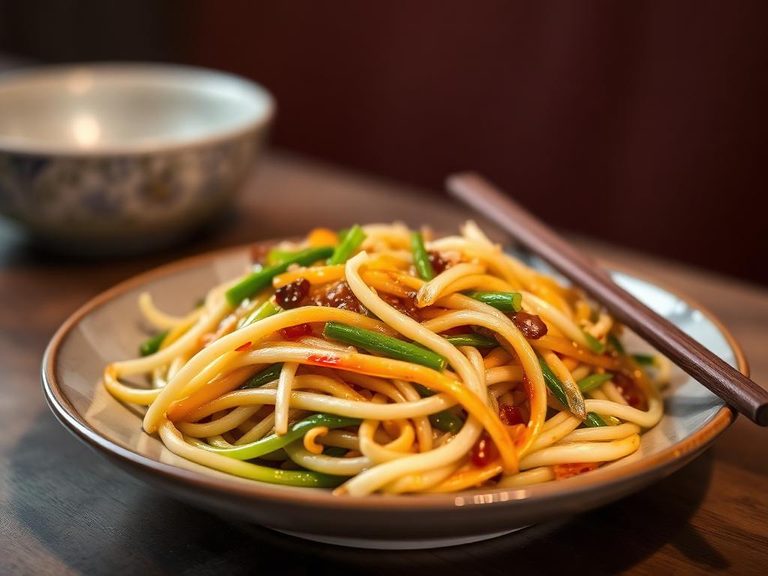
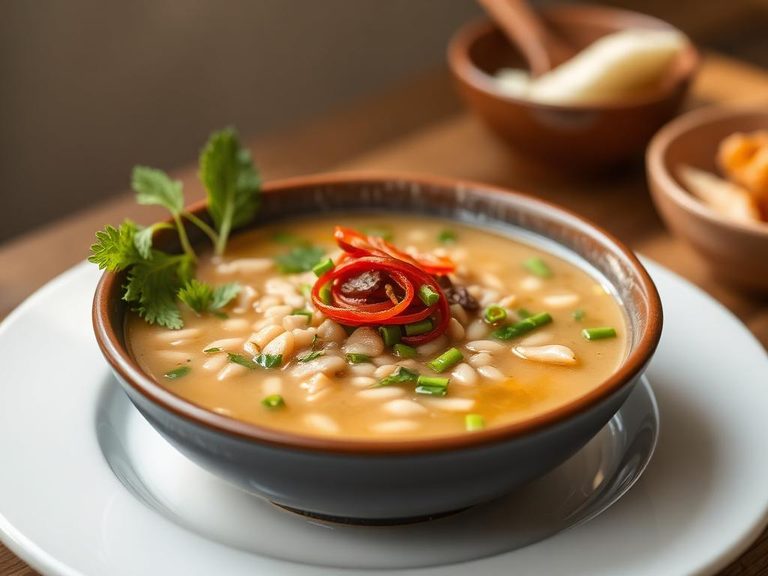
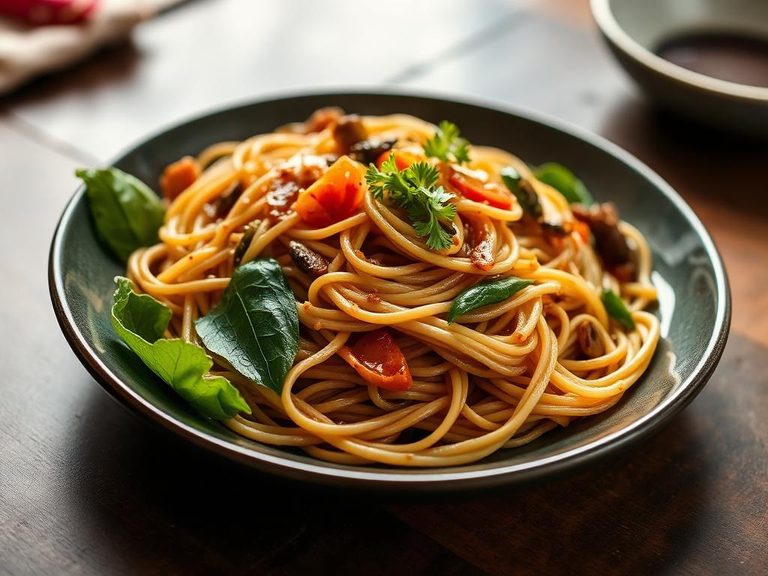
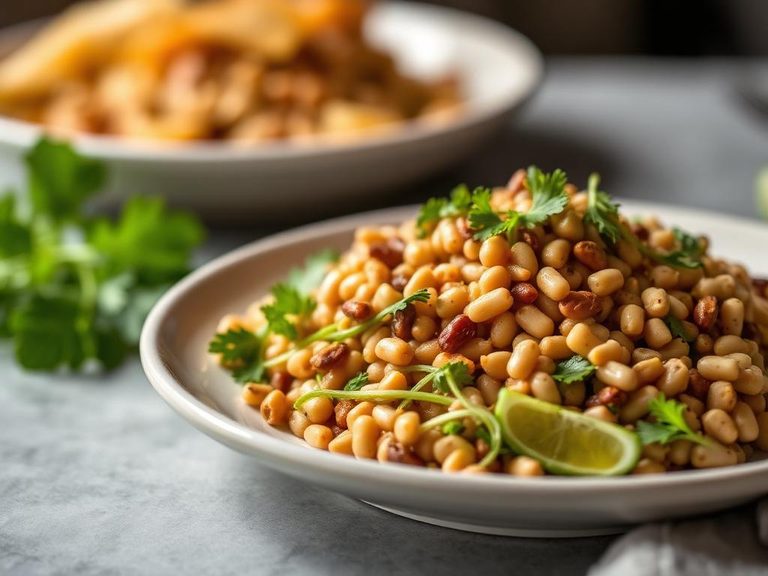
Mung bean sprouts are crisp, tender sprouts from the mung bean, widely used in East and Southeast Asian cuisine. They are typically stir-fried, blanched, or added to soups and salads, often seasoned with garlic, soy sauce, or sesame oil. This versatile ingredient is a staple in dishes from China, Korea, Japan, and Vietnam.
🍽️ Nutrition at a glance
Mung bean sprouts are low in calories and fat, providing a good source of plant-based protein, dietary fiber, and essential vitamins. A typical serving offers a modest calorie count while delivering key nutrients like vitamin C and folate.
Nutrition breakdown
| Calories | 31 kcal |
| Protein | 3 g |
| Carbs | 5.8 g |
| Fat | 0.2 g |
| Fiber | 1.8 g |
| Sugar | 4 g |
| Sodium | 6 mg |
| Vitamin C | 13.5 mg |
| Folate | 61 µg |
| Vitamin K | 33 µg |
| Potassium | 155 mg |
| Manganese | 0.2 mg |
| Iron | 0.8 mg |
| Phosphorus | 56 mg |
| Thiamine (B1) | 0.08 mg |
Per 1 cup (104 g) · estimated, varies by recipe
💡 What's interesting
Culturally, mung bean sprouts are a symbol of freshness and renewal, often featured in Lunar New Year dishes. Nutritionally, sprouting increases their bioavailability of nutrients, making them easier to digest and richer in antioxidants compared to the whole bean.