

Halo-halo
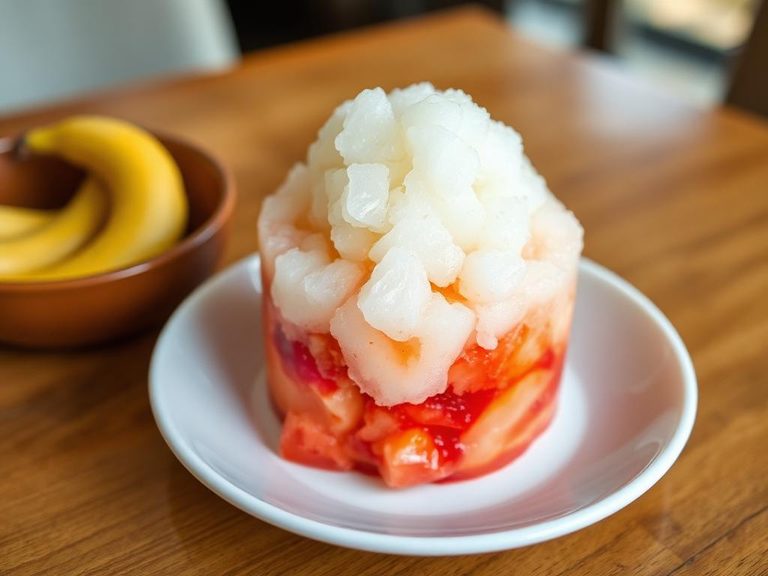
Halo-halo is a beloved Filipino shaved ice dessert whose name literally means 'mix-mix' in Tagalog, reflecting the fun of stirring together its many colorful ingredients. It typically features a base of finely shaved ice topped with a vibrant array of sweetened beans (like red mung beans and white beans), jellies, fruits, and creamy components such as ube (purple yam) jam, leche flan, and a scoop of ice cream. This refreshing treat is a staple in the Philippines, especially during the hot summer months.
🍳 View the full Halo-halo recipe →
🍽️ Nutrition at a glance
Halo-halo is a high-carbohydrate dessert due to its generous use of sweetened ingredients, sugar, and starchy beans, with a moderate amount of fat coming from the ice cream and leche flan. A typical serving can range from 400 to over 800 calories, providing quick energy but minimal protein, and it's more of an indulgent treat than a nutritionally balanced food.
Nutrition breakdown
| Calories | 350 kcal |
| Protein | 4 g |
| Carbs | 70 g |
| Fat | 8 g |
| Fiber | 2 g |
| Sugar | 55 g |
| Sodium | 120 mg |
| Calcium | 100 mg |
| Iron | 1.5 mg |
| Potassium | 250 mg |
| Vitamin A | 80 mcg |
| Vitamin C | 10 mg |
| Phosphorus | 90 mg |
| Magnesium | 30 mg |
| Zinc | 0.8 mg |
Per 1 cup (240 g) · estimated, varies by recipe
💡 What's interesting
Culturally, halo-halo is a symbol of Filipino creativity and the joy of communal eating, as its name and the act of mixing encourage sharing and customization. Nutritionally, its unique combination of legumes (beans) with sweets provides some fiber and plant-based protein, making it a more complex and textured dessert compared to simple shaved ice.
AI estimate may be inaccurate · Terms