

Jam
Common food
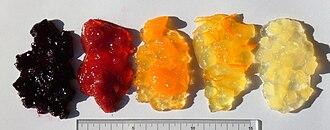
Photo: Wikipedia
Jam is a thick, sweet preserve made by cooking fruit with sugar until it reaches a glossy, spreadable consistency. Its flavor is intensely fruity and sweet, with a texture that ranges from smooth to chunky depending on the variety. Nutritionally, it is a concentrated source of carbohydrates, primarily from fruit sugars.
Calorie split: 1% protein · 99% carbs · 0% fat
↓ Full nutrition💚 Why it's loved
People love jam for its concentrated burst of fruit flavor and its comforting, nostalgic sweetness. Its incredible versatility—from spreading on toast to filling pastries or glazing meats—makes it a beloved staple in kitchens worldwide.
⚠️ Watch-outs & how to enjoy it better
The primary downside is its very high sugar content, which can cause rapid blood-sugar spikes, making it a concern for diabetics or those monitoring sugar intake. To mitigate this, pair jam with protein or healthy fats (like nut butter on whole-grain toast) to slow sugar absorption, and practice strict portion control, using just a thin layer.
Key benefits
- Provides quick energy from natural and added sugars
- Contains small amounts of fruit-based fiber
- Offers trace vitamins and antioxidants from the fruit content
- Acts as a versatile flavor enhancer for many dishes
- Has a long shelf life when properly sealed
🍽️ Popular dishes
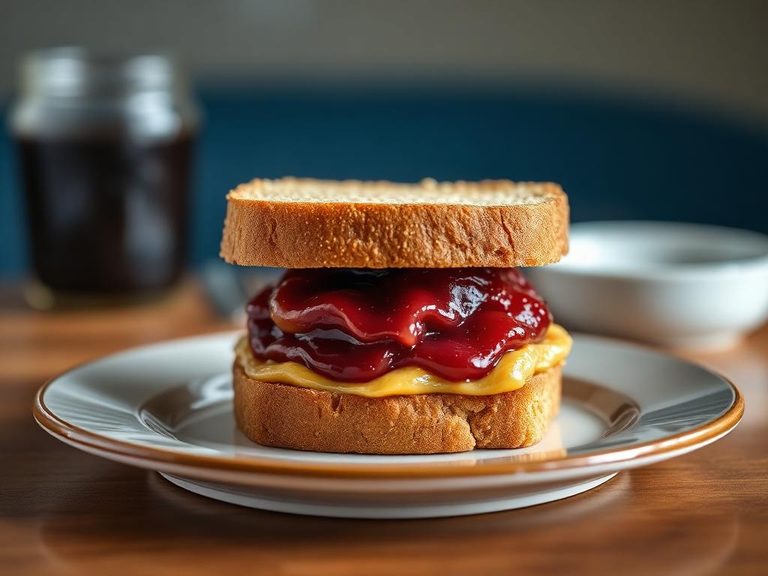

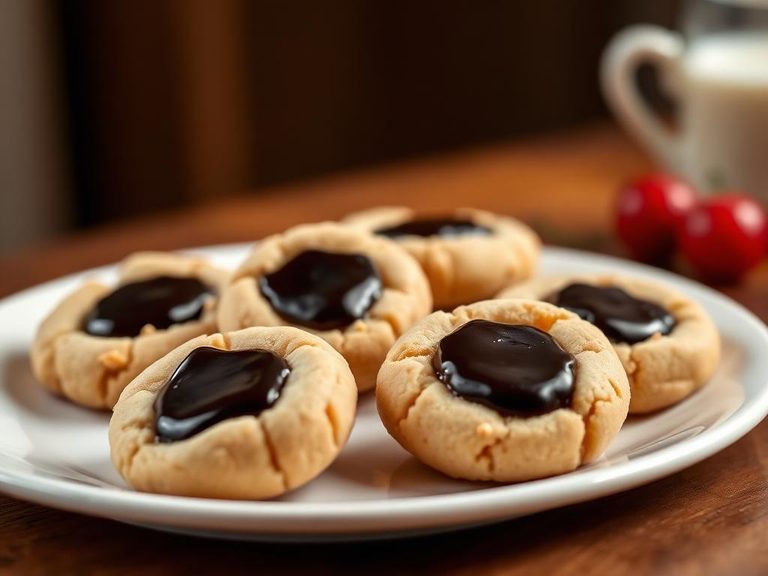
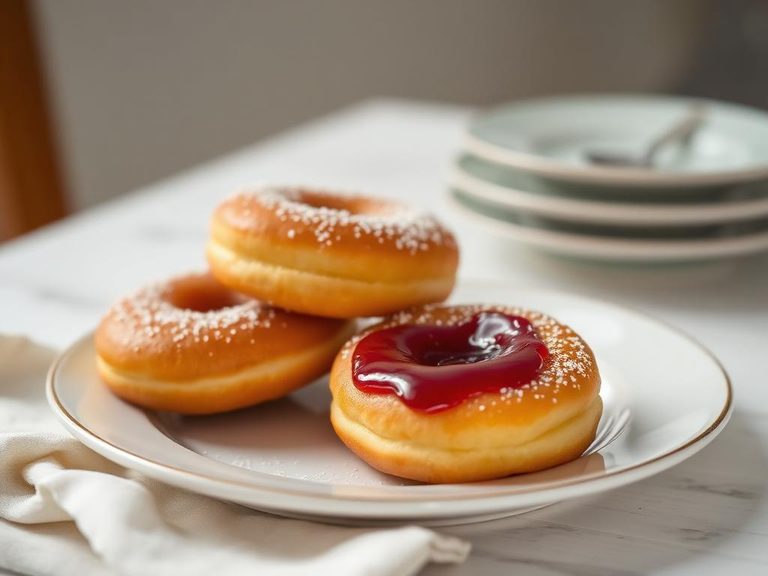
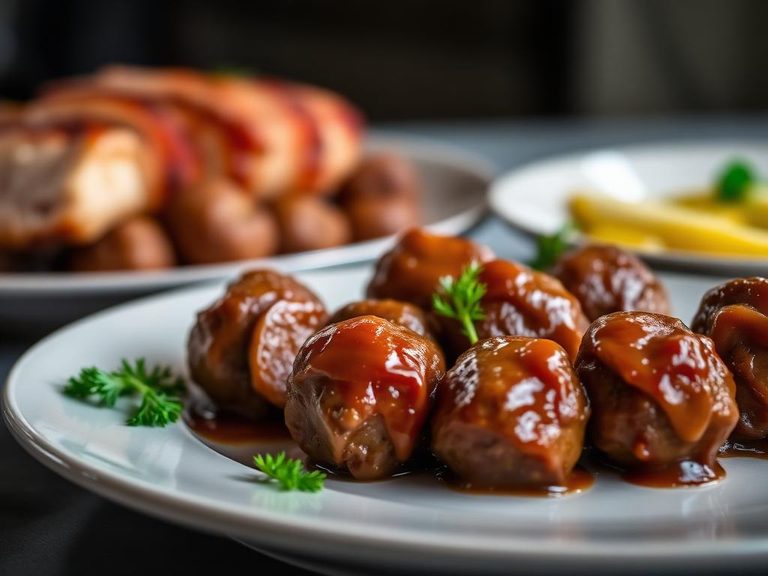
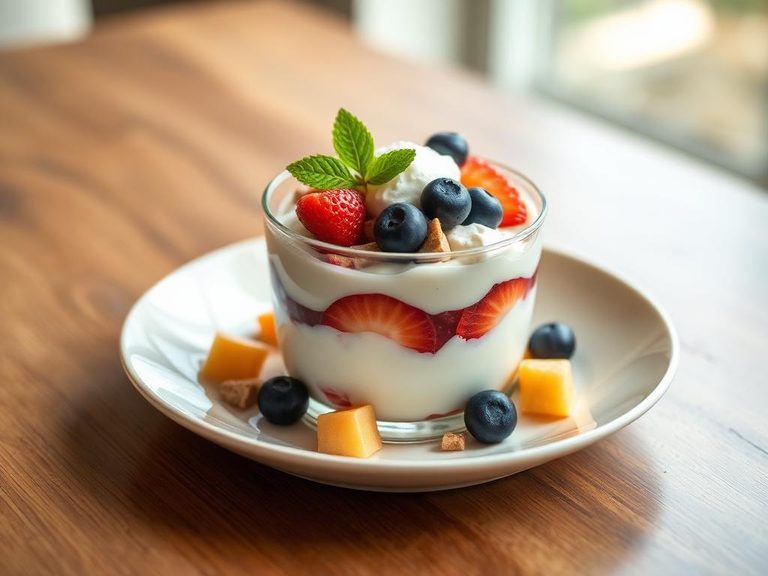
🌍 Where it's eaten
💡 Did you know?
The high sugar concentration in traditional jam acts as a natural preservative by drawing water out of microbial cells through osmosis, effectively inhibiting their growth without refrigeration.
Full nutrition (USDA data · scales with serving)
| Water | 30.5 g |
| Energy | 278 kcal |
| Protein | 0.37 g |
| Total lipid (fat) | 0.07 g |
| Carbohydrate, by difference | 68.9 g |
| Fiber, total dietary | 1.1 g |
| Total Sugars | 48.5 g |
| Calcium, Ca | 20.0 mg |
| Iron, Fe | 0.49 mg |
| Magnesium, Mg | 4.0 mg |
| Phosphorus, P | 19.0 mg |
| Potassium, K | 77.0 mg |
| Sodium, Na | 32.0 mg |
| Zinc, Zn | 0.06 mg |
| Copper, Cu | 0.10 mg |
| Selenium, Se | 2.0 ug |
| Vitamin C, total ascorbic acid | 8.8 mg |
| Thiamin | 0.02 mg |
| Riboflavin | 0.08 mg |
| Niacin | 0.04 mg |
| Vitamin B-6 | 0.02 mg |
| Folate, total | 11.0 ug |
| Folic acid | 0.00 ug |
| Folate, food | 11.0 ug |
| Folate, DFE | 11.0 ug |
| Choline, total | 10.2 mg |
| Vitamin B-12 | 0.00 ug |
| Vitamin B-12, added | 0.00 ug |
| Vitamin A, RAE | 0.00 ug |
| Retinol | 0.00 ug |
| Carotene, beta | 0.00 ug |
| Carotene, alpha | 0.00 ug |
| Cryptoxanthin, beta | 0.00 ug |
| Lycopene | 0.00 ug |
| Lutein + zeaxanthin | 0.00 ug |
| Vitamin E (alpha-tocopherol) | 0.12 mg |
| Vitamin E, added | 0.00 mg |
| Vitamin D (D2 + D3) | 0.00 ug |
| Vitamin K (phylloquinone) | 0.00 ug |
| Alcohol, ethyl | 0.00 g |
| Caffeine | 0.00 mg |
| Theobromine | 0.00 mg |
Fat & fatty acid profile (per 100g)
| Fatty acids, total saturated | 0.01 g |
| SFA 4:0 | 0.00 g |
| SFA 6:0 | 0.00 g |
| SFA 8:0 | 0.00 g |
| SFA 10:0 | 0.00 g |
| SFA 12:0 | 0.00 g |
| SFA 14:0 | 0.00 g |
| SFA 16:0 | 0.00 g |
| SFA 18:0 | 0.00 g |
| Fatty acids, total monounsaturated | 0.04 g |
| MUFA 16:1 | 0.00 g |
| MUFA 18:1 | 0.01 g |
| MUFA 20:1 | 0.02 g |
| MUFA 22:1 | 0.01 g |
| Fatty acids, total polyunsaturated | 0.00 g |
| PUFA 18:2 | 0.00 g |
| PUFA 18:3 | 0.00 g |
| PUFA 18:4 | 0.00 g |
| PUFA 20:4 | 0.00 g |
| PUFA 20:5 n-3 (EPA) | 0.00 g |
| PUFA 22:5 n-3 (DPA) | 0.00 g |
| PUFA 22:6 n-3 (DHA) | 0.00 g |
| Cholesterol | 0.00 mg |
Amino acid profile (per 100g)
Estimated from Jams and preserves — USDA does not publish this profile for Jam.
| Tryptophan | 0.01 g |
| Threonine | 0.02 g |
| Isoleucine | 0.02 g |
| Leucine | 0.04 g |
| Lysine | 0.03 g |
| Methionine | 0.00 g |
| Cystine | 0.01 g |
| Phenylalanine | 0.02 g |
| Tyrosine | 0.03 g |
| Valine | 0.02 g |
| Arginine | 0.03 g |
| Histidine | 0.01 g |
| Alanine | 0.04 g |
| Aspartic acid | 0.17 g |
| Glutamic acid | 0.11 g |
| Glycine | 0.03 g |
| Proline | 0.02 g |
| Serine | 0.03 g |
FAQ
What's the difference between jam, jelly, and preserves?
Jam is made from crushed or pureed fruit, giving it a thick, spreadable texture. Jelly is made from fruit juice, resulting in a clear, firm gel. Preserves contain whole fruit chunks or pieces in a syrup or jam.
Can jam be part of a healthy diet?
Yes, in moderation. It can be enjoyed as an occasional treat or flavor enhancer. The key is mindful portion control and pairing it with nutrient-dense foods like whole-grain bread, oats, or yogurt to balance the sugar impact.
How long does opened jam last?
Once opened, jam should be refrigerated and is typically best consumed within 1 to 3 months. Always check for signs of mold or off-odors before using.
Nutrient density (calculated · NRF9.3)
Nutrient Rich Foods index: beneficial nutrients (protein, fiber, vitamins, minerals) minus saturated fat, added sugar & sodium, per 100 kcal.
NRF9.3 index — Fulgoni, Keast & Drewnowski, 2009. Computed from USDA nutrients.
Weight-loss friendliness (composite index)
Energy density 2.78 kcal/g · 1% calories from protein · 1.1 g fiber · 48.5 g sugar per 100 g.
Composite of energy density (Rolls et al., 1999), protein & fiber satiety, minus sugar. A calculated heuristic — ranks satiety-per-calorie, not a clinical measure.
Dietary load (calculated from USDA values)
Potential renal acid load. Positive = acid-forming, negative = alkaline-forming.
Sodium-to-potassium ratio: 0.42 (lower is better — aim for ≤ 1)
Sodium:potassium per WHO potassium guidance. Computed from USDA nutrients.