

Bánh Đậu Xanh
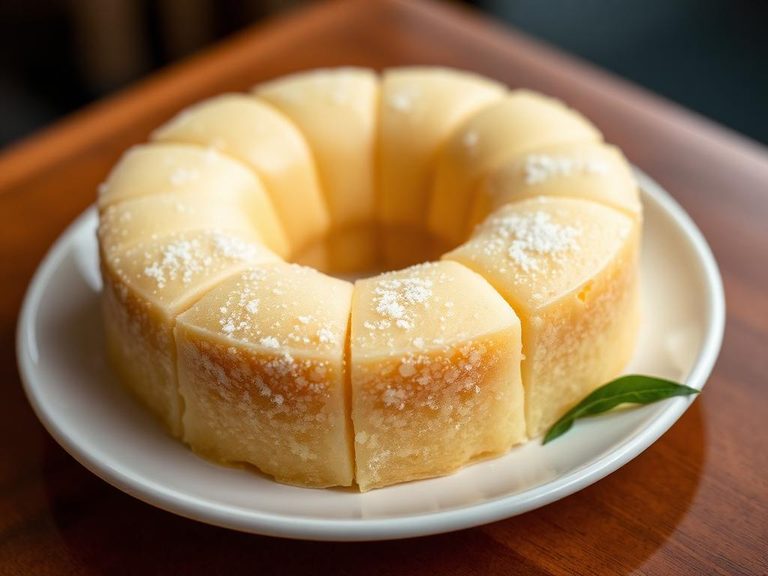
Bánh Đậu Xanh is a traditional Vietnamese sweet cake or confection, typically made from mung bean paste, sugar, and sometimes coconut milk or pandan for flavor. It originates from Vietnam and is often enjoyed as a snack or dessert, particularly during festivals and celebrations.
🍽️ Nutrition at a glance
This dish is generally high in carbohydrates due to its sugar and mung bean content, with moderate protein from the beans and minimal fat. A single serving (about 30-50 grams) can provide around 100-150 calories, along with some dietary fiber and essential minerals like iron and potassium.
Nutrition breakdown
| Calories | 175 kcal |
| Protein | 3.5 g |
| Carbs | 30 g |
| Fat | 5 g |
| Fiber | 1.5 g |
| Sugar | 15 g |
| Sodium | 45 mg |
| Potassium | 90 mg |
| Iron | 1.2 mg |
| Magnesium | 25 mg |
| Phosphorus | 40 mg |
| Vitamin B1 (Thiamin) | 0.1 mg |
| Vitamin B2 (Riboflavin) | 0.05 mg |
| Calcium | 20 mg |
| Copper | 0.15 mg |
Per 1 piece (50 g) · estimated, varies by recipe
💡 What's interesting
Culturally, Bánh Đậu Xanh is a beloved treat in Vietnamese cuisine, often symbolizing sweetness and prosperity, and it showcases the versatility of mung beans in Asian desserts. Nutritionally, it offers a plant-based protein source and is naturally gluten-free, making it a suitable option for various dietary preferences.
AI estimate may be inaccurate · Terms