

Game meat, bison, chuck, shoulder clod, separable lean only, cooked, braised
Whole food · Lamb, Veal, and Game Products

Photo: Wikipedia
This is a lean, hearty cut of bison shoulder, slow-braised until fork-tender. It delivers a deep, rich beef-like flavor with a subtly sweeter, less gamey profile than other wild game, and a firm yet melt-in-your-mouth texture. Nutritionally, it's a powerhouse of protein with minimal fat and zero carbohydrates.
Calorie split: 73% protein · 0% carbs · 27% fat
↓ Full nutrition💚 Why it's loved
People love it for its robust, clean flavor that satisfies red-meat cravings without heaviness. Its versatility shines in slow-cooked dishes where it absorbs seasonings beautifully, offering a leaner yet deeply comforting alternative to traditional pot roasts.
⚠️ Watch-outs & how to enjoy it better
Being very lean, it can become tough and dry if overcooked or prepared with high-heat methods like grilling. To counteract this, always use moist-heat cooking like braising or stewing, and consider a marinade to add moisture and flavor. Those monitoring cholesterol should still consume it in moderation as part of a balanced diet.
Key benefits
- Extremely high in complete protein for muscle maintenance.
- Very low in fat, especially saturated fat, compared to beef.
- Rich in iron, zinc, and B vitamins like B12.
- Zero carbohydrates, making it ideal for ketogenic or low-carb diets.
- Grass-fed bison often contains higher levels of omega-3 fatty acids.
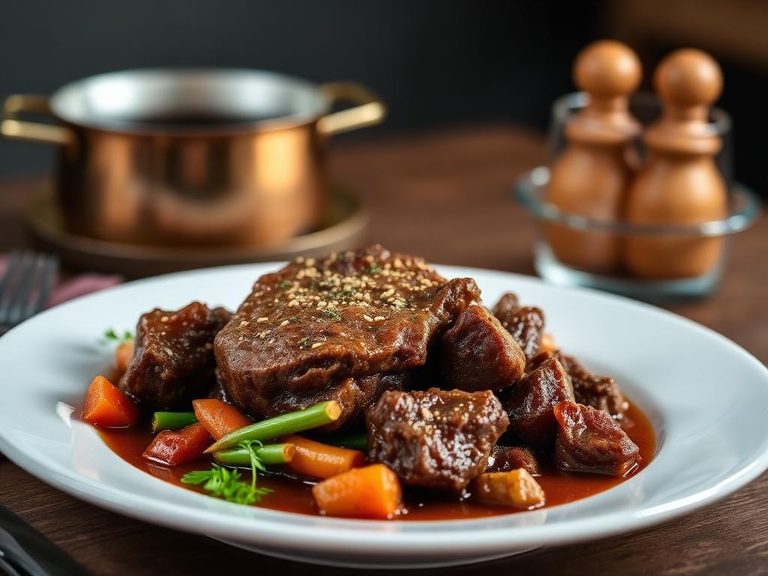
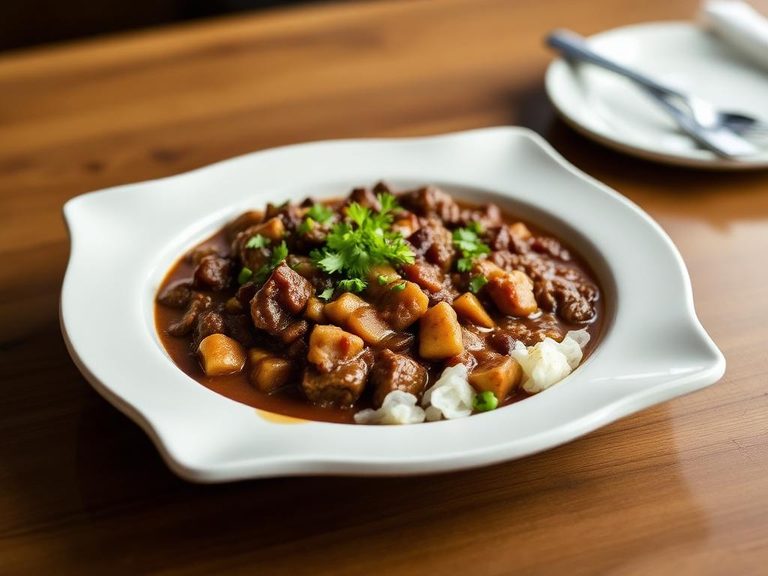
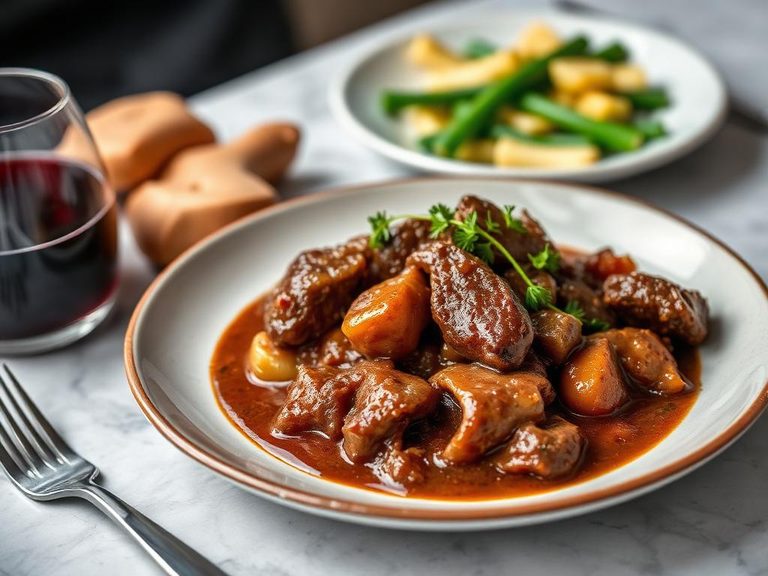
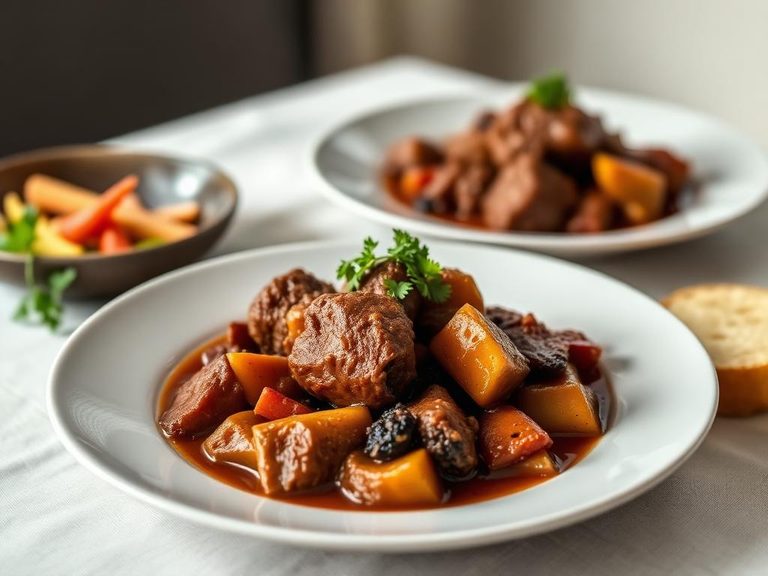
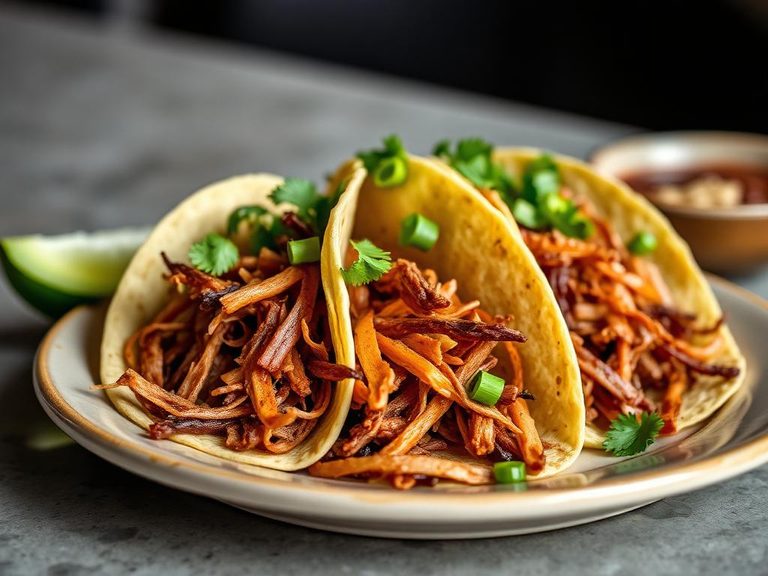
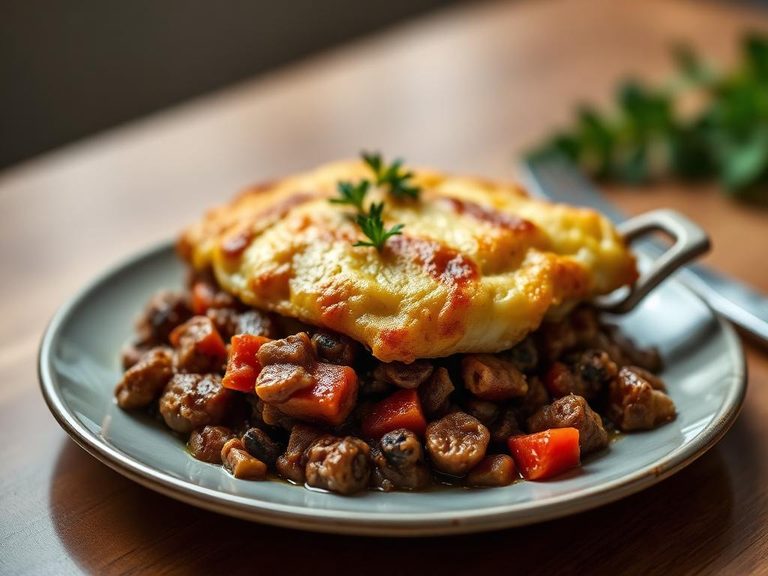
🍽️ Popular dishes
🌍 Where it's eaten
💡 Did you know?
Bison meat is naturally redder than beef due to its higher myoglobin content, which is an oxygen-binding protein in muscle tissue that gives it that vibrant color even when cooked.
Full nutrition (USDA data · scales with serving)
| Water | 60.5 g |
| Energy | 193 kcal |
| Energy | 809 kj |
| Protein | 33.8 g |
| Total lipid (fat) | 5.4 g |
| Ash | 1.1 g |
| Carbohydrate, by difference | 0.00 g |
| Fiber, total dietary | 0.00 g |
| Total Sugars | 0.00 g |
| Calcium, Ca | 7.0 mg |
| Iron, Fe | 4.9 mg |
| Magnesium, Mg | 26.0 mg |
| Phosphorus, P | 239 mg |
| Potassium, K | 316 mg |
| Sodium, Na | 57.0 mg |
| Zinc, Zn | 8.6 mg |
| Copper, Cu | 0.21 mg |
| Manganese, Mn | 0.02 mg |
| Selenium, Se | 41.7 ug |
| Vitamin C, total ascorbic acid | 0.00 mg |
| Thiamin | 0.12 mg |
| Riboflavin | 0.47 mg |
| Niacin | 4.8 mg |
| Pantothenic acid | 1.6 mg |
| Vitamin B-6 | 0.46 mg |
| Folate, total | 21.0 ug |
| Folic acid | 0.00 ug |
| Folate, food | 21.0 ug |
| Folate, DFE | 21.0 ug |
| Vitamin B-12 | 2.4 ug |
| Vitamin A, RAE | 0.00 ug |
| Retinol | 0.00 ug |
| Carotene, beta | 0.00 ug |
| Carotene, alpha | 0.00 ug |
| Cryptoxanthin, beta | 0.00 ug |
| Vitamin A, IU | 0.00 iu |
| Lycopene | 0.00 ug |
| Lutein + zeaxanthin | 0.00 ug |
| Vitamin E (alpha-tocopherol) | 0.23 mg |
| Alcohol, ethyl | 0.00 g |
| Caffeine | 0.00 mg |
| Theobromine | 0.00 mg |
Fat & fatty acid profile (per 100g)
| Fatty acids, total saturated | 2.3 g |
| SFA 8:0 | 0.00 g |
| SFA 10:0 | 0.00 g |
| SFA 12:0 | 0.00 g |
| SFA 14:0 | 0.10 g |
| SFA 15:0 | 0.03 g |
| SFA 16:0 | 0.98 g |
| SFA 17:0 | 0.08 g |
| SFA 18:0 | 1.1 g |
| SFA 20:0 | 0.01 g |
| SFA 22:0 | 0.00 g |
| Fatty acids, total monounsaturated | 2.1 g |
| MUFA 14:1 | 0.01 g |
| MUFA 15:1 | 0.00 g |
| MUFA 16:1 | 0.11 g |
| MUFA 17:1 | 0.04 g |
| MUFA 18:1 | 1.9 g |
| MUFA 20:1 | 0.02 g |
| Fatty acids, total polyunsaturated | 0.26 g |
| PUFA 18:2 | 0.20 g |
| PUFA 18:3 | 0.03 g |
| PUFA 18:3 n-6 c,c,c | 0.00 g |
| PUFA 20:2 n-6 c,c | 0.00 g |
| PUFA 20:3 | 0.00 g |
| PUFA 20:4 | 0.03 g |
| Cholesterol | 111 mg |
Amino acid profile (per 100g)
| Tryptophan | 0.26 g |
| Threonine | 1.5 g |
| Isoleucine | 1.6 g |
| Leucine | 2.9 g |
| Lysine | 3.1 g |
| Methionine | 0.91 g |
| Cystine | 0.40 g |
| Phenylalanine | 1.4 g |
| Tyrosine | 1.1 g |
| Valine | 1.8 g |
| Arginine | 2.3 g |
| Histidine | 1.2 g |
| Alanine | 2.3 g |
| Aspartic acid | 3.3 g |
| Glutamic acid | 5.5 g |
| Glycine | 2.2 g |
| Proline | 1.7 g |
| Serine | 1.4 g |
| Hydroxyproline | 0.42 g |
FAQ
Is bison meat healthier than beef?
Generally, yes. Bison is typically lower in calories, fat (especially saturated fat), and cholesterol while being higher in iron and omega-3s, assuming it's grass-fed. It offers a similar protein content to lean beef.
How do I prevent braised bison from drying out?
The key is low-and-slow moist cooking. Ensure the braising liquid (broth, wine, tomatoes) comes at least halfway up the meat. Keep the pot tightly covered and cook at a gentle simmer until the connective tissue breaks down, usually 2-3 hours.
What does bison taste like?
It tastes very similar to beef but is often described as slightly richer, sweeter, and cleaner. It lacks the 'gamey' flavor some associate with venison or elk, making it a very approachable red meat.
Nutrient density (calculated · NRF9.3)
Nutrient Rich Foods index: beneficial nutrients (protein, fiber, vitamins, minerals) minus saturated fat, added sugar & sodium, per 100 kcal.
NRF9.3 index — Fulgoni, Keast & Drewnowski, 2009. Computed from USDA nutrients.
Weight-loss friendliness (composite index)
Energy density 1.93 kcal/g · 70% calories from protein · 0.0 g fiber · 0.0 g sugar per 100 g.
Composite of energy density (Rolls et al., 1999), protein & fiber satiety, minus sugar. A calculated heuristic — ranks satiety-per-calorie, not a clinical measure.
Dietary load (calculated from USDA values)
Potential renal acid load. Positive = acid-forming, negative = alkaline-forming.
Sodium-to-potassium ratio: 0.18 (lower is better — aim for ≤ 1)
Sodium:potassium per WHO potassium guidance. Computed from USDA nutrients.