

Frostings, vanilla, creamy, ready-to-eat
Whole food · Sweets
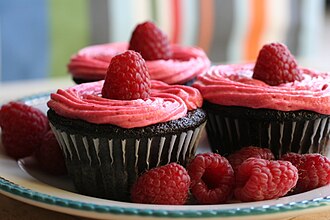
Photo: Wikipedia
This is a smooth, sweet, ready-to-eat vanilla frosting, typically a buttercream or cream cheese-based spread. It has a rich, creamy texture and a sweet, vanilla-forward flavor. Nutritionally, it is very high in carbohydrates, primarily from sugar, with no protein or fiber.
Calorie split: 0% protein · 65% carbs · 35% fat
↓ Full nutrition💚 Why it's loved
People love it for its sweet, comforting vanilla flavor and its role as the essential finishing touch that transforms a simple cake into a celebratory treat. Its versatility makes it a staple for birthdays, holidays, and everyday baking projects.
⚠️ Watch-outs & how to enjoy it better
Due to its very high sugar content (over 60g per 100g), it can cause rapid blood-sugar spikes and is a significant source of empty calories. For those monitoring sugar intake, consider using a thin layer, pairing the frosted treat with a source of protein (like nuts or Greek yogurt) to slow absorption, or exploring recipes that use fruit purees or Greek yogurt as partial substitutes.
Key benefits
- Provides quick energy from simple sugars
- Enhances the flavor and visual appeal of baked goods
- Offers a convenient, no-prep topping for cakes and cupcakes
- A key component in classic dessert decorating and assembly
🍽️ Popular dishes

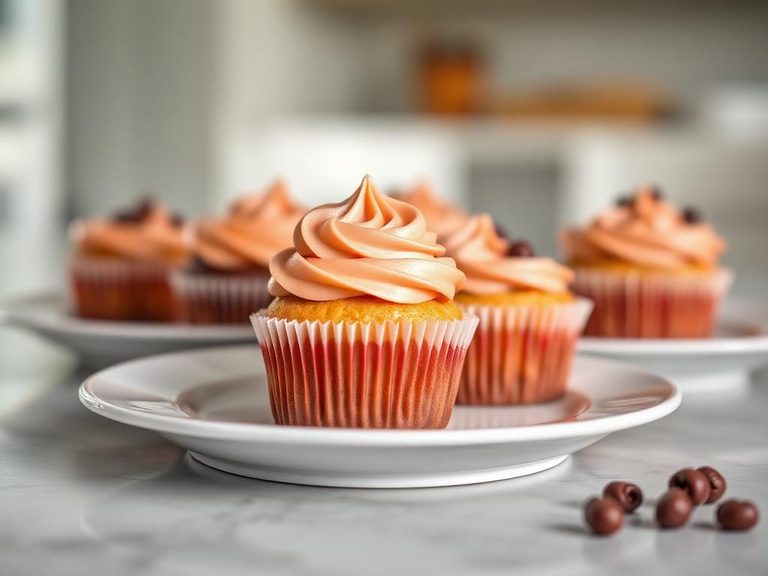

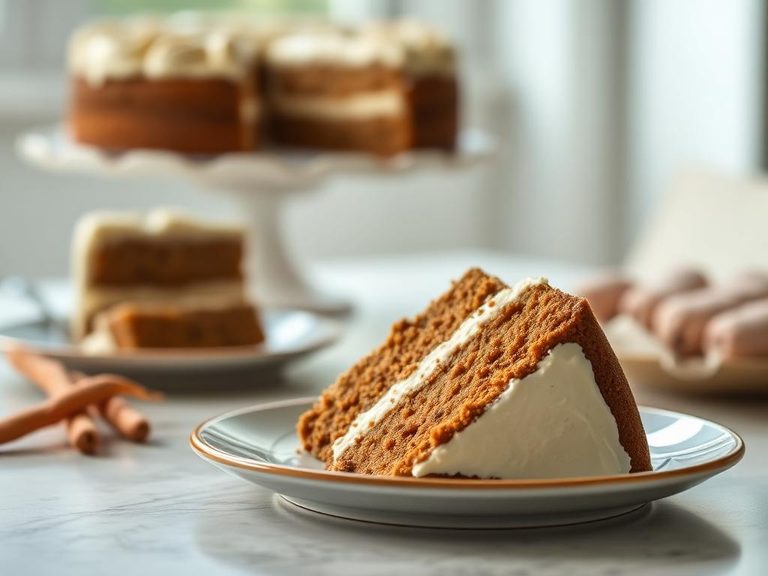
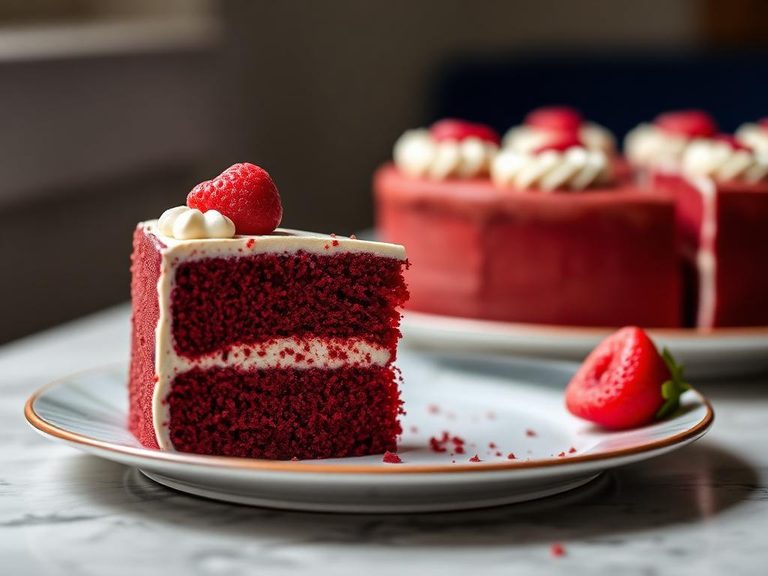
🌍 Where it's eaten
💡 Did you know?
The smooth, spreadable consistency of modern ready-to-eat frosting was largely enabled by the invention of partially hydrogenated vegetable oils in the early 20th century, which replaced lard and butter in many commercial products.
Full nutrition (USDA data · scales with serving)
| Water | 15.1 g |
| Energy | 418 kcal |
| Energy | 1748 kj |
| Protein | 0.00 g |
| Total lipid (fat) | 16.2 g |
| Ash | 0.81 g |
| Carbohydrate, by difference | 67.9 g |
| Fiber, total dietary | 0.00 g |
| Total Sugars | 63.1 g |
| Calcium, Ca | 3.0 mg |
| Iron, Fe | 0.16 mg |
| Magnesium, Mg | 1.0 mg |
| Phosphorus, P | 18.0 mg |
| Potassium, K | 34.0 mg |
| Sodium, Na | 184 mg |
| Zinc, Zn | 0.07 mg |
| Copper, Cu | 0.00 mg |
| Manganese, Mn | 0.00 mg |
| Selenium, Se | 0.10 ug |
| Vitamin C, total ascorbic acid | 0.00 mg |
| Thiamin | 0.01 mg |
| Riboflavin | 0.30 mg |
| Niacin | 0.22 mg |
| Pantothenic acid | 0.06 mg |
| Vitamin B-6 | 0.00 mg |
| Folate, total | 8.0 ug |
| Folic acid | 0.00 ug |
| Folate, food | 8.0 ug |
| Folate, DFE | 8.0 ug |
| Choline, total | 2.3 mg |
| Vitamin B-12 | 0.00 ug |
| Vitamin B-12, added | 0.00 ug |
| Vitamin A, RAE | 0.00 ug |
| Retinol | 0.00 ug |
| Carotene, beta | 0.00 ug |
| Carotene, alpha | 0.00 ug |
| Cryptoxanthin, beta | 0.00 ug |
| Vitamin A, IU | 0.00 iu |
| Lycopene | 0.00 ug |
| Lutein + zeaxanthin | 0.00 ug |
| Vitamin E (alpha-tocopherol) | 1.5 mg |
| Vitamin E, added | 0.00 mg |
| Vitamin D (D2 + D3), International Units | 0.00 iu |
| Vitamin D (D2 + D3) | 0.00 ug |
| Vitamin D3 (cholecalciferol) | 0.00 ug |
| Vitamin K (phylloquinone) | 13.0 ug |
| Alcohol, ethyl | 0.00 g |
| Caffeine | 0.00 mg |
| Theobromine | 0.00 mg |
Fat & fatty acid profile (per 100g)
| Fatty acids, total saturated | 3.0 g |
| SFA 4:0 | 0.00 g |
| SFA 6:0 | 0.00 g |
| SFA 8:0 | 0.00 g |
| SFA 10:0 | 0.00 g |
| SFA 12:0 | 0.00 g |
| SFA 14:0 | 0.02 g |
| SFA 15:0 | 0.00 g |
| SFA 16:0 | 2.4 g |
| SFA 17:0 | 0.00 g |
| SFA 18:0 | 0.58 g |
| SFA 20:0 | 0.00 g |
| SFA 22:0 | 0.00 g |
| Fatty acids, total monounsaturated | 4.9 g |
| MUFA 16:1 | 0.18 g |
| MUFA 18:1 | 4.7 g |
| MUFA 20:1 | 0.00 g |
| MUFA 22:1 | 0.00 g |
| Fatty acids, total polyunsaturated | 8.0 g |
| PUFA 18:2 | 7.0 g |
| PUFA 18:3 | 0.90 g |
| PUFA 18:4 | 0.00 g |
| PUFA 20:4 | 0.00 g |
| PUFA 20:5 n-3 (EPA) | 0.00 g |
| PUFA 22:5 n-3 (DPA) | 0.00 g |
| PUFA 22:6 n-3 (DHA) | 0.00 g |
| Fatty acids, total trans | 0.00 g |
| Cholesterol | 0.00 mg |
Amino acid profile (per 100g)
Estimated from Frostings, chocolate, creamy, ready-to-eat — USDA does not publish this profile for Frostings.
| Tryptophan | 0.02 g |
| Threonine | 0.04 g |
| Isoleucine | 0.04 g |
| Leucine | 0.07 g |
| Lysine | 0.05 g |
| Methionine | 0.01 g |
| Cystine | 0.01 g |
| Phenylalanine | 0.05 g |
| Tyrosine | 0.04 g |
| Valine | 0.07 g |
| Arginine | 0.06 g |
| Histidine | 0.02 g |
| Alanine | 0.05 g |
| Aspartic acid | 0.11 g |
| Glutamic acid | 0.16 g |
| Glycine | 0.05 g |
| Proline | 0.05 g |
| Serine | 0.05 g |
FAQ
What is the main difference between frosting and icing?
Generally, frosting is thick and fluffy (like buttercream), used for spreading on cakes. Icing is thinner and more pourable (like a glaze), used for drizzling or dipping. However, the terms are often used interchangeably.
Why does my homemade frosting sometimes separate or become runny?
This is often due to the butter or cream cheese being too warm, or over-mixing. Ensure ingredients are at proper room temperature (cool, not warm) and mix on low speed once the frosting is formed.
Can I freeze leftover frosting?
Yes, most buttercream or cream cheese frostings freeze well for up to 3 months in an airtight container. Thaw in the refrigerator overnight and re-whip before using to restore its texture.
Nutrient density (calculated · NRF9.3)
Nutrient Rich Foods index: beneficial nutrients (protein, fiber, vitamins, minerals) minus saturated fat, added sugar & sodium, per 100 kcal.
NRF9.3 index — Fulgoni, Keast & Drewnowski, 2009. Computed from USDA nutrients.
Weight-loss friendliness (composite index)
Energy density 4.18 kcal/g · 0% calories from protein · 0.0 g fiber · 63.1 g sugar per 100 g.
Composite of energy density (Rolls et al., 1999), protein & fiber satiety, minus sugar. A calculated heuristic — ranks satiety-per-calorie, not a clinical measure.
Dietary load (calculated from USDA values)
Potential renal acid load. Positive = acid-forming, negative = alkaline-forming.
Sodium-to-potassium ratio: 5.41 (lower is better — aim for ≤ 1)
Sodium:potassium per WHO potassium guidance. Computed from USDA nutrients.