

Fish, scup, raw
Whole food · Finfish and Shellfish Products

Photo: Wikipedia
Scup, also known as porgy, is a lean, white-fleshed saltwater fish prized for its mild, sweet flavor and firm, flaky texture. With an impressive 18.88g of protein per 100g and virtually no fat or carbohydrates, it's a powerhouse of pure, high-quality protein. Its clean taste makes it a versatile canvas for a wide range of seasonings and cooking methods.
Calorie split: 75% protein · 0% carbs · 25% fat
↓ Full nutrition💚 Why it's loved
People love scup for its delicate, non-fishy taste that appeals even to those wary of stronger seafood, and its firm flesh holds up beautifully to grilling, broiling, or pan-searing without falling apart. It's a staple in coastal communities from New England to the Mediterranean, celebrated in simple preparations that let its natural sweetness shine.
⚠️ Watch-outs & how to enjoy it better
As a lean fish, it can dry out if overcooked, so careful timing is key. Individuals with fish or seafood allergies must avoid it entirely. To maximize moisture and flavor, consider marinating briefly before cooking or using a quick, high-heat method like broiling, and always check for doneness early.
Key benefits
- Excellent source of lean, complete protein for muscle maintenance.
- Very low in fat, making it a heart-healthy choice.
- Naturally free of carbohydrates and sugars.
- Provides essential nutrients like selenium and vitamin B12.
- A sustainable seafood option in many Atlantic fisheries.
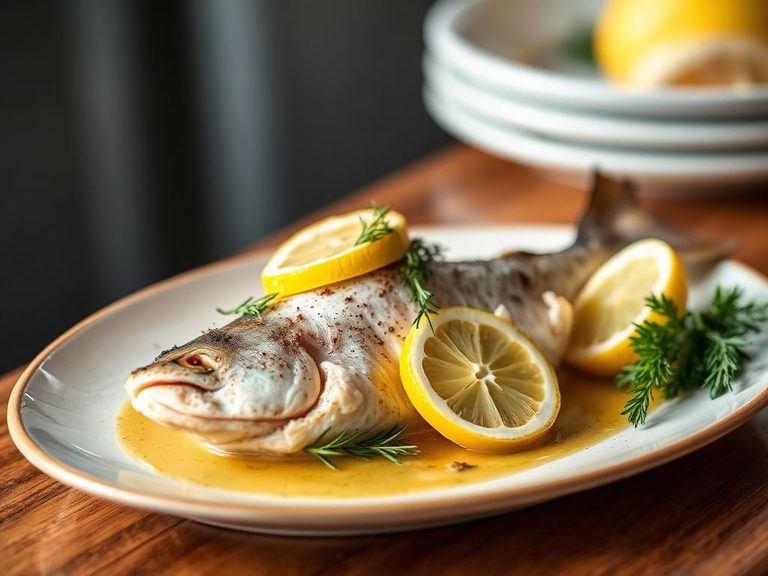
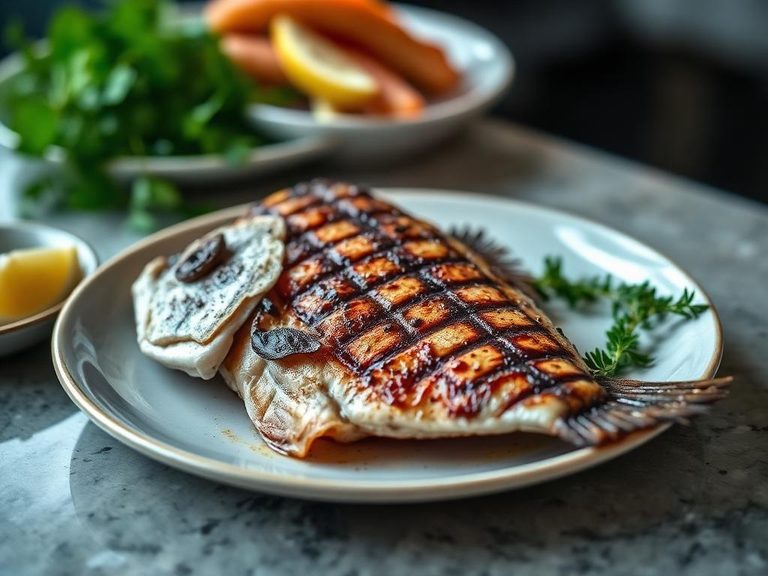
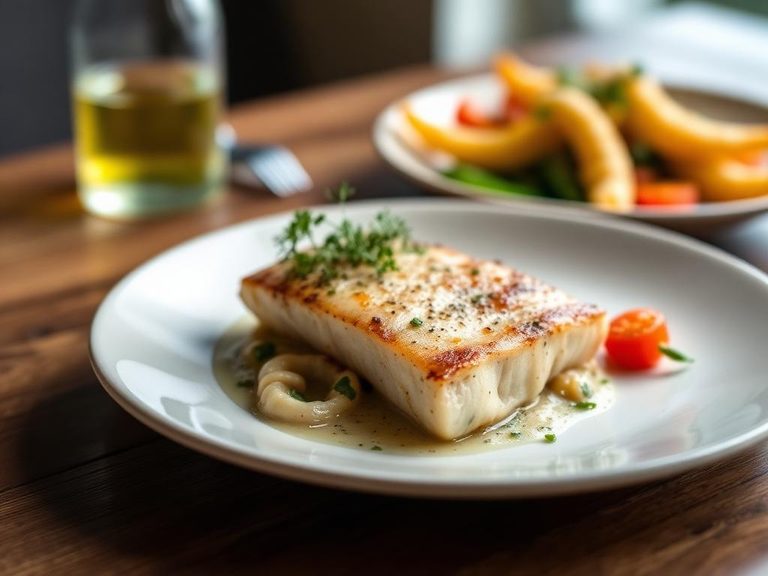
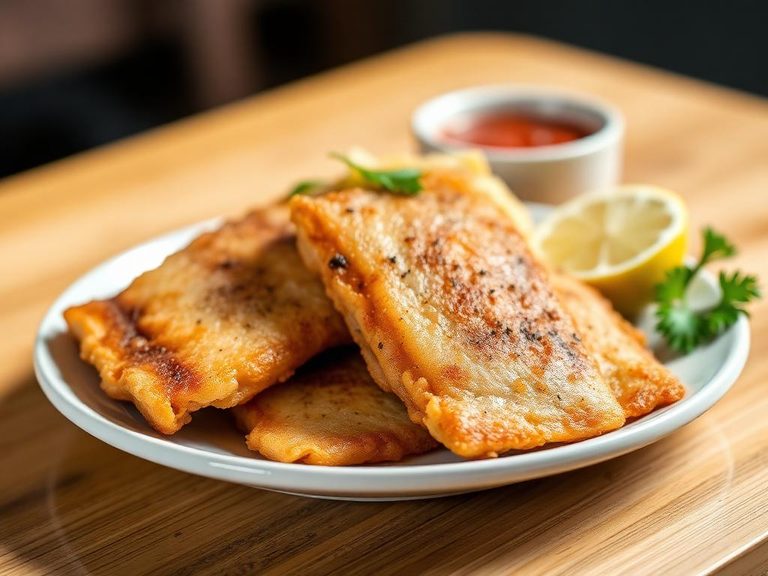
🍽️ Popular dishes
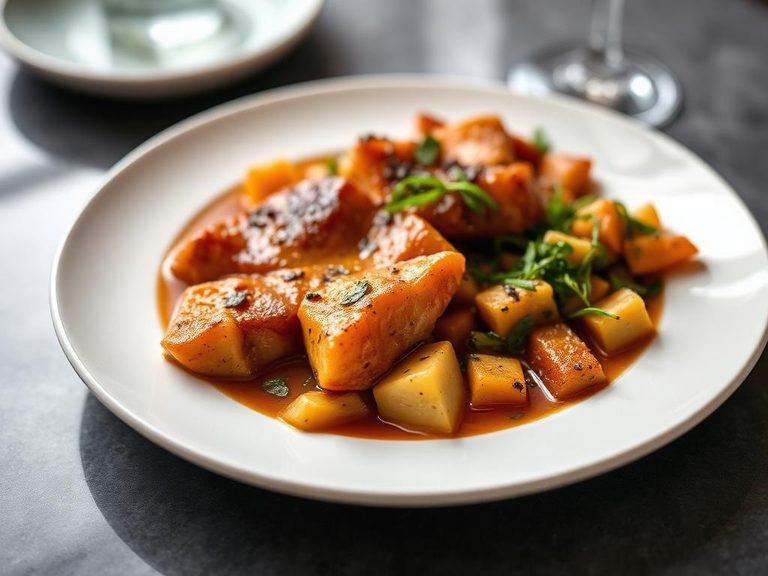
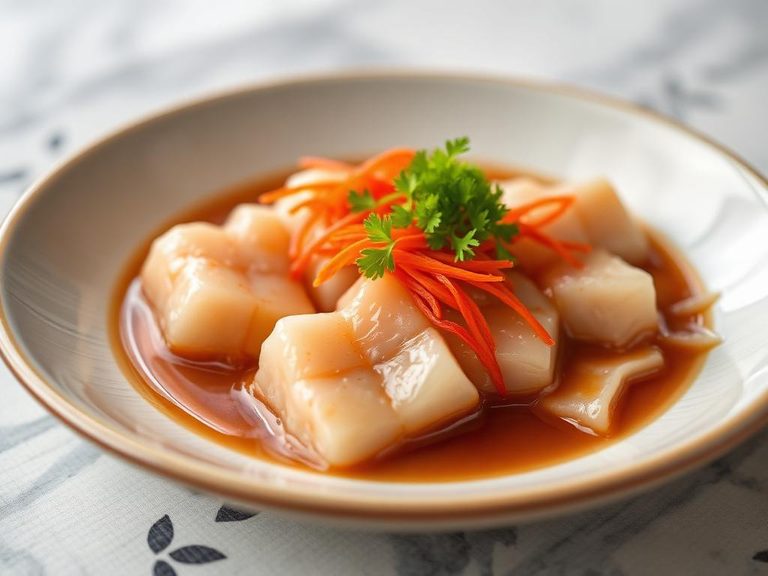
🌍 Where it's eaten
💡 Did you know?
Scup are known to make a distinct 'knocking' or 'grunting' sound by vibrating muscles against their swim bladder, which is thought to be used for communication during spawning.
Full nutrition (USDA data · scales with serving)
| Water | 75.4 g |
| Energy | 105 kcal |
| Energy | 440 kj |
| Protein | 18.9 g |
| Total lipid (fat) | 2.7 g |
| Ash | 1.2 g |
| Carbohydrate, by difference | 0.00 g |
| Fiber, total dietary | 0.00 g |
| Total Sugars | 0.00 g |
| Calcium, Ca | 40.0 mg |
| Iron, Fe | 0.53 mg |
| Magnesium, Mg | 23.0 mg |
| Phosphorus, P | 185 mg |
| Potassium, K | 287 mg |
| Sodium, Na | 42.0 mg |
| Zinc, Zn | 0.48 mg |
| Copper, Cu | 0.05 mg |
| Manganese, Mn | 0.04 mg |
| Selenium, Se | 36.5 ug |
| Vitamin C, total ascorbic acid | 0.00 mg |
| Thiamin | 0.11 mg |
| Riboflavin | 0.10 mg |
| Niacin | 4.1 mg |
| Pantothenic acid | 0.75 mg |
| Vitamin B-6 | 0.30 mg |
| Folate, total | 15.0 ug |
| Folic acid | 0.00 ug |
| Folate, food | 15.0 ug |
| Folate, DFE | 15.0 ug |
| Choline, total | 65.0 mg |
| Vitamin B-12 | 1.4 ug |
| Vitamin B-12, added | 0.00 ug |
| Vitamin A, RAE | 27.0 ug |
| Retinol | 27.0 ug |
| Carotene, beta | 0.00 ug |
| Carotene, alpha | 0.00 ug |
| Cryptoxanthin, beta | 0.00 ug |
| Vitamin A, IU | 90.0 iu |
| Lycopene | 0.00 ug |
| Lutein + zeaxanthin | 0.00 ug |
| Vitamin E (alpha-tocopherol) | 0.50 mg |
| Vitamin E, added | 0.00 mg |
| Vitamin D (D2 + D3), International Units | 47.0 iu |
| Vitamin D (D2 + D3) | 1.2 ug |
| Vitamin D3 (cholecalciferol) | 1.2 ug |
| Vitamin K (phylloquinone) | 0.10 ug |
| Alcohol, ethyl | 0.00 g |
| Caffeine | 0.00 mg |
| Theobromine | 0.00 mg |
Fat & fatty acid profile (per 100g)
| Fatty acids, total saturated | 0.64 g |
| SFA 4:0 | 0.00 g |
| SFA 6:0 | 0.00 g |
| SFA 8:0 | 0.00 g |
| SFA 10:0 | 0.00 g |
| SFA 12:0 | 0.00 g |
| SFA 14:0 | 0.00 g |
| SFA 16:0 | 0.00 g |
| SFA 18:0 | 0.00 g |
| Fatty acids, total monounsaturated | 0.56 g |
| MUFA 16:1 | 0.00 g |
| MUFA 18:1 | 0.00 g |
| MUFA 20:1 | 0.00 g |
| MUFA 22:1 | 0.00 g |
| Fatty acids, total polyunsaturated | 1.0 g |
| PUFA 18:2 | 0.04 g |
| PUFA 18:3 | 0.01 g |
| PUFA 18:4 | 0.02 g |
| PUFA 20:4 | 0.10 g |
| PUFA 20:5 n-3 (EPA) | 0.10 g |
| PUFA 22:5 n-3 (DPA) | 0.13 g |
| PUFA 22:6 n-3 (DHA) | 0.53 g |
| Cholesterol | 52.0 mg |
Amino acid profile (per 100g)
| Tryptophan | 0.21 g |
| Threonine | 0.83 g |
| Isoleucine | 0.87 g |
| Leucine | 1.5 g |
| Lysine | 1.7 g |
| Methionine | 0.56 g |
| Cystine | 0.20 g |
| Phenylalanine | 0.74 g |
| Tyrosine | 0.64 g |
| Valine | 0.97 g |
| Arginine | 1.1 g |
| Histidine | 0.56 g |
| Alanine | 1.1 g |
| Aspartic acid | 1.9 g |
| Glutamic acid | 2.8 g |
| Glycine | 0.91 g |
| Proline | 0.67 g |
| Serine | 0.77 g |
FAQ
What does scup taste like?
Scup has a mild, sweet, and clean flavor with a firm, flaky texture. It's often compared to other mild white fish like sea bass or porgy, without a strong 'fishy' taste.
Is scup a sustainable fish to eat?
Yes, scup from the U.S. Atlantic is often considered a good sustainable choice. It's typically caught using low-impact methods like hook-and-line or pots, and the stock is well-managed.
How do I prevent scup from drying out when cooking?
Because it's very lean, avoid overcooking. Use high-heat, quick methods like broiling, grilling, or pan-searing. You can also bake it in parchment (en papillote) or with a light sauce or oil to lock in moisture.
Nutrient density (calculated · NRF9.3)
Nutrient Rich Foods index: beneficial nutrients (protein, fiber, vitamins, minerals) minus saturated fat, added sugar & sodium, per 100 kcal.
NRF9.3 index — Fulgoni, Keast & Drewnowski, 2009. Computed from USDA nutrients.
Weight-loss friendliness (composite index)
Energy density 1.05 kcal/g · 72% calories from protein · 0.0 g fiber · 0.0 g sugar per 100 g.
Composite of energy density (Rolls et al., 1999), protein & fiber satiety, minus sugar. A calculated heuristic — ranks satiety-per-calorie, not a clinical measure.
Dietary load (calculated from USDA values)
Potential renal acid load. Positive = acid-forming, negative = alkaline-forming.
Sodium-to-potassium ratio: 0.15 (lower is better — aim for ≤ 1)
Sodium:potassium per WHO potassium guidance. Computed from USDA nutrients.