

Fish, mackerel, spanish, raw
Whole food · Finfish and Shellfish Products

Photo: Wikipedia
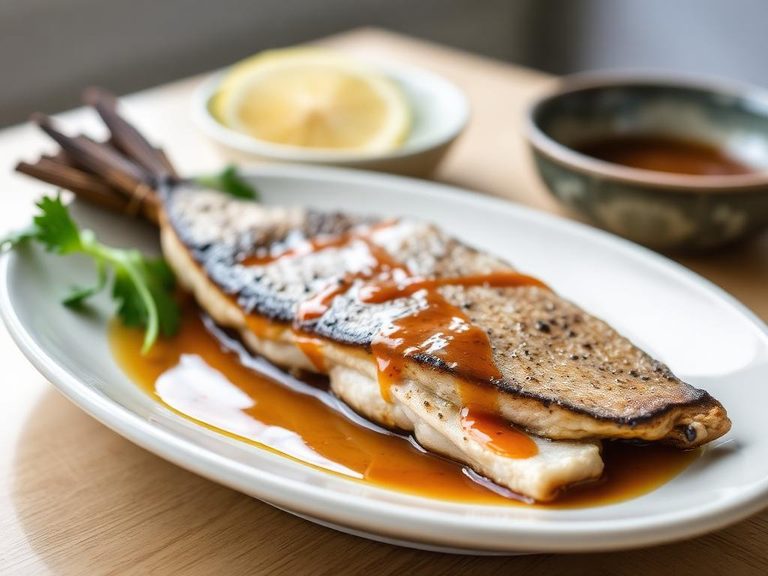
Spanish mackerel is a sleek, fast-swimming fish prized for its firm, meaty texture and a flavor that's distinctly rich and oily without being overly 'fishy.' Its deep, reddish-pink flesh transforms beautifully when seared or grilled, developing a caramelized crust while staying moist inside. This raw fillet is a nutritional powerhouse, packing an impressive 19.29 grams of protein per 100g with zero carbohydrates, making it a staple for high-protein, low-carb diets.
Calorie split: 58% protein · 0% carbs · 42% fat
↓ Full nutrition💚 Why it's loved
People love Spanish mackerel for its bold, savory flavor and satisfying, steak-like texture that holds up well to high-heat cooking methods like grilling or pan-searing. It's a versatile fish that can be served simply with lemon or incorporated into robust, flavorful dishes, making it a favorite in many coastal cuisines.
⚠️ Watch-outs & how to enjoy it better
Spanish mackerel has a high oil content, which can become rancid quickly if not handled properly, leading to a strong, unpleasant 'fishy' taste. To counteract this, always purchase from a reputable source, ensure it's very fresh, and cook it the same day. Its oily nature also means it can be high in histamines if not stored correctly, so individuals with histamine intolerance should be cautious and opt for the freshest possible catch.
Key benefits
- Exceptionally high in protein for muscle maintenance and satiety
- Rich in omega-3 fatty acids (EPA & DHA) for heart and brain health
- Contains selenium, a powerful antioxidant that supports immune function
- Naturally free of carbohydrates and sugars, ideal for ketogenic diets
- Provides B vitamins, particularly B12, essential for nerve function
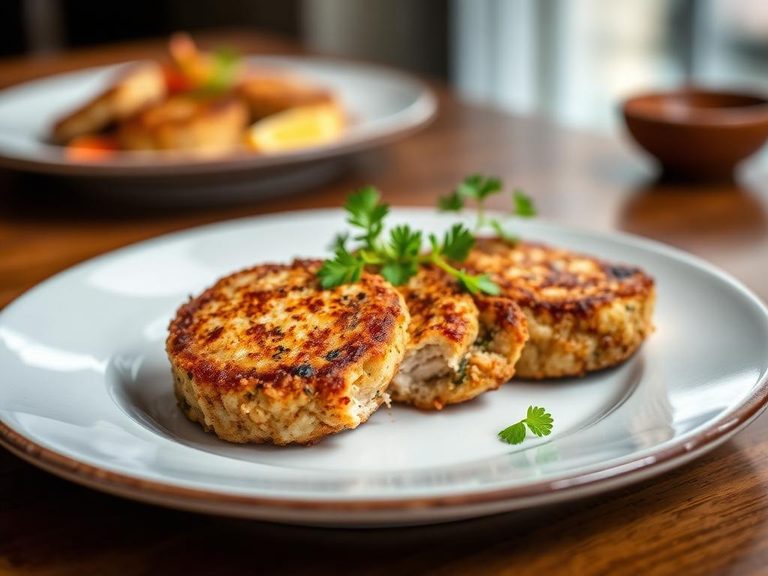
🍽️ Popular dishes
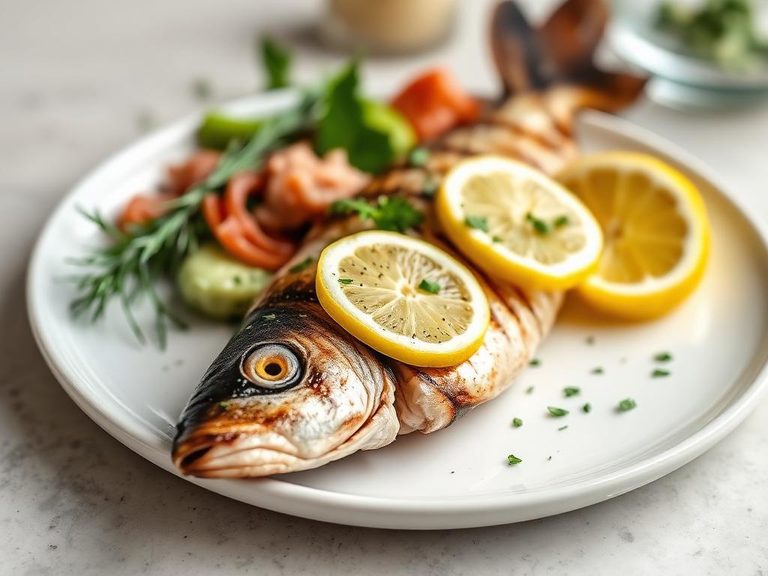
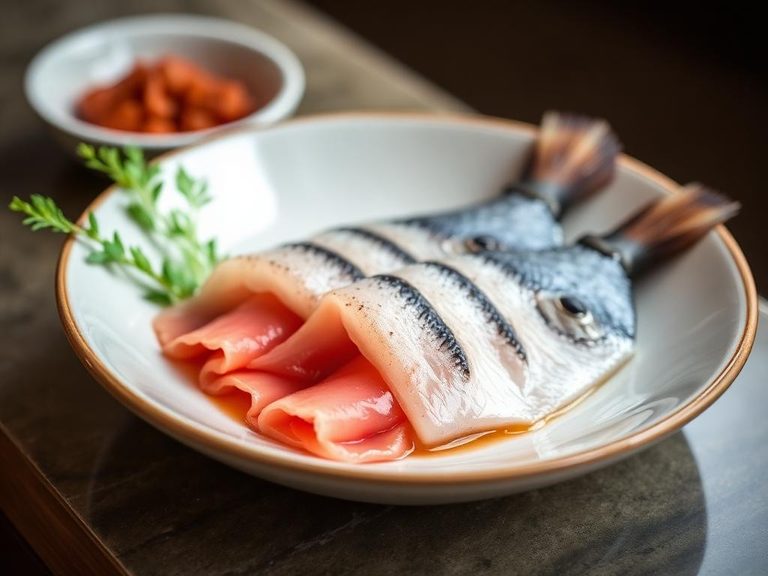
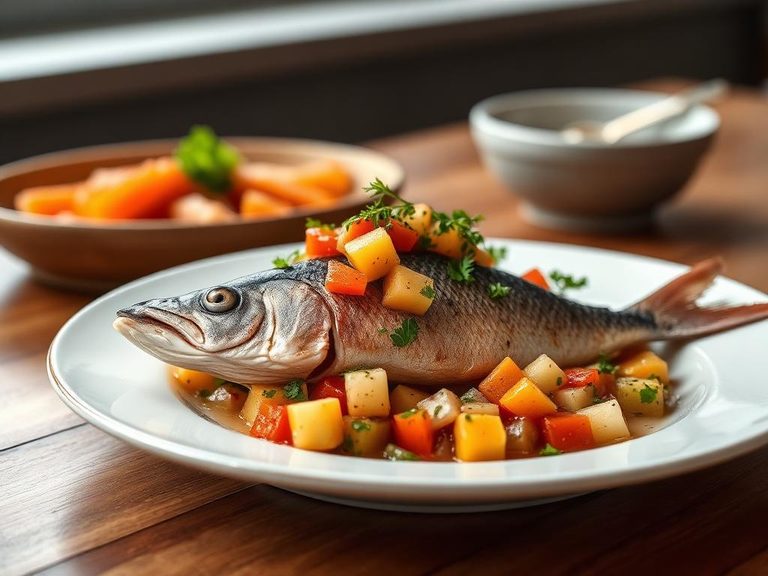
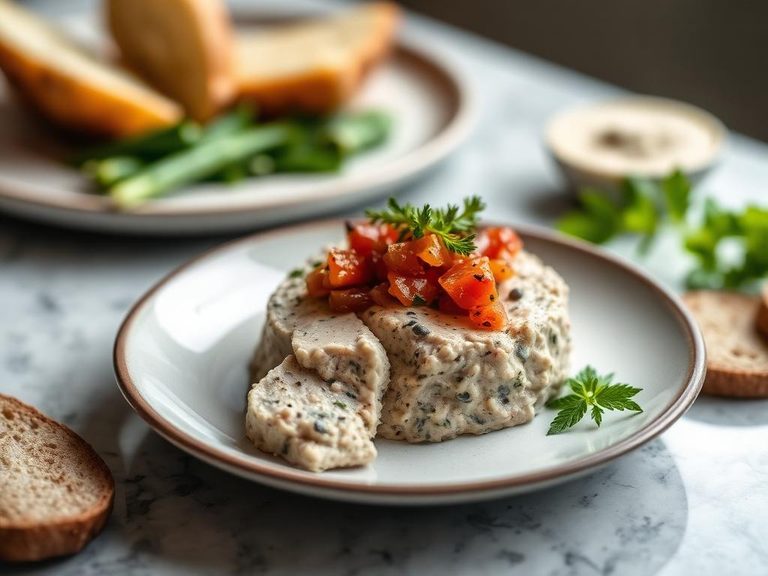
🌍 Where it's eaten
💡 Did you know?
Spanish mackerel is not actually from Spain; it's a species found in the Atlantic and Gulf of Mexico. The name likely comes from its resemblance to the Spanish mackerel of the Mediterranean, or possibly from its migratory patterns that were once thought to be linked to Spanish shipping routes.
Full nutrition (USDA data · scales with serving)
| Water | 71.7 g |
| Energy | 139 kcal |
| Energy | 582 kj |
| Protein | 19.3 g |
| Total lipid (fat) | 6.3 g |
| Ash | 1.3 g |
| Carbohydrate, by difference | 0.00 g |
| Fiber, total dietary | 0.00 g |
| Total Sugars | 0.00 g |
| Calcium, Ca | 11.0 mg |
| Iron, Fe | 0.44 mg |
| Magnesium, Mg | 33.0 mg |
| Phosphorus, P | 205 mg |
| Potassium, K | 446 mg |
| Sodium, Na | 59.0 mg |
| Zinc, Zn | 0.49 mg |
| Copper, Cu | 0.06 mg |
| Manganese, Mn | 0.01 mg |
| Selenium, Se | 36.5 ug |
| Vitamin C, total ascorbic acid | 1.6 mg |
| Thiamin | 0.13 mg |
| Riboflavin | 0.17 mg |
| Niacin | 2.3 mg |
| Pantothenic acid | 0.75 mg |
| Vitamin B-6 | 0.40 mg |
| Folate, total | 1.0 ug |
| Folic acid | 0.00 ug |
| Folate, food | 1.0 ug |
| Folate, DFE | 1.0 ug |
| Choline, total | 50.5 mg |
| Vitamin B-12 | 2.4 ug |
| Vitamin B-12, added | 0.00 ug |
| Vitamin A, RAE | 39.0 ug |
| Retinol | 39.0 ug |
| Carotene, beta | 0.00 ug |
| Carotene, alpha | 0.00 ug |
| Cryptoxanthin, beta | 0.00 ug |
| Vitamin A, IU | 130 iu |
| Lycopene | 0.00 ug |
| Lutein + zeaxanthin | 0.00 ug |
| Vitamin E (alpha-tocopherol) | 0.69 mg |
| Vitamin E, added | 0.00 mg |
| Vitamin D (D2 + D3), International Units | 292 iu |
| Vitamin D (D2 + D3) | 7.3 ug |
| Vitamin D3 (cholecalciferol) | 7.3 ug |
| Vitamin K (phylloquinone) | 0.10 ug |
| Alcohol, ethyl | 0.00 g |
| Caffeine | 0.00 mg |
| Theobromine | 0.00 mg |
Fat & fatty acid profile (per 100g)
| Fatty acids, total saturated | 1.8 g |
| SFA 4:0 | 0.00 g |
| SFA 6:0 | 0.00 g |
| SFA 8:0 | 0.00 g |
| SFA 10:0 | 0.00 g |
| SFA 12:0 | 0.00 g |
| SFA 14:0 | 0.17 g |
| SFA 16:0 | 1.2 g |
| SFA 18:0 | 0.42 g |
| Fatty acids, total monounsaturated | 1.5 g |
| MUFA 16:1 | 0.29 g |
| MUFA 18:1 | 1.1 g |
| MUFA 20:1 | 0.07 g |
| MUFA 22:1 | 0.05 g |
| Fatty acids, total polyunsaturated | 1.7 g |
| PUFA 18:2 | 0.10 g |
| PUFA 18:3 | 0.03 g |
| PUFA 18:4 | 0.00 g |
| PUFA 20:4 | 0.17 g |
| PUFA 20:5 n-3 (EPA) | 0.33 g |
| PUFA 22:5 n-3 (DPA) | 0.10 g |
| PUFA 22:6 n-3 (DHA) | 1.0 g |
| Cholesterol | 76.0 mg |
Amino acid profile (per 100g)
| Tryptophan | 0.22 g |
| Threonine | 0.85 g |
| Isoleucine | 0.89 g |
| Leucine | 1.6 g |
| Lysine | 1.8 g |
| Methionine | 0.57 g |
| Cystine | 0.21 g |
| Phenylalanine | 0.75 g |
| Tyrosine | 0.65 g |
| Valine | 0.99 g |
| Arginine | 1.2 g |
| Histidine | 0.57 g |
| Alanine | 1.2 g |
| Aspartic acid | 2.0 g |
| Glutamic acid | 2.9 g |
| Glycine | 0.93 g |
| Proline | 0.68 g |
| Serine | 0.79 g |
FAQ
Is Spanish mackerel safe to eat raw?
Yes, Spanish mackerel can be eaten raw, as in sashimi or tataki, but it must be extremely fresh and properly handled to avoid foodborne illness. It's crucial to purchase it from a reputable fishmonger who can guarantee its freshness and proper storage.
How do I store Spanish mackerel to keep it fresh?
Store Spanish mackerel on ice in the coldest part of your refrigerator and use it within 1-2 days of purchase. For longer storage, wrap it tightly in plastic wrap and freeze it for up to 3 months, though freezing can affect its texture.
What's the best way to cook Spanish mackerel?
Due to its high oil content, Spanish mackerel is best cooked quickly with high heat. Grilling, pan-searing, or broiling are ideal methods that create a crispy exterior while keeping the interior moist and flavorful.
Nutrient density (calculated · NRF9.3)
Nutrient Rich Foods index: beneficial nutrients (protein, fiber, vitamins, minerals) minus saturated fat, added sugar & sodium, per 100 kcal.
NRF9.3 index — Fulgoni, Keast & Drewnowski, 2009. Computed from USDA nutrients.
Weight-loss friendliness (composite index)
Energy density 1.39 kcal/g · 56% calories from protein · 0.0 g fiber · 0.0 g sugar per 100 g.
Composite of energy density (Rolls et al., 1999), protein & fiber satiety, minus sugar. A calculated heuristic — ranks satiety-per-calorie, not a clinical measure.
Dietary load (calculated from USDA values)
Potential renal acid load. Positive = acid-forming, negative = alkaline-forming.
Sodium-to-potassium ratio: 0.13 (lower is better — aim for ≤ 1)
Sodium:potassium per WHO potassium guidance. Computed from USDA nutrients.