

Fish, herring, Atlantic, cooked, dry heat
Whole food · Finfish and Shellfish Products

Photo: Wikipedia
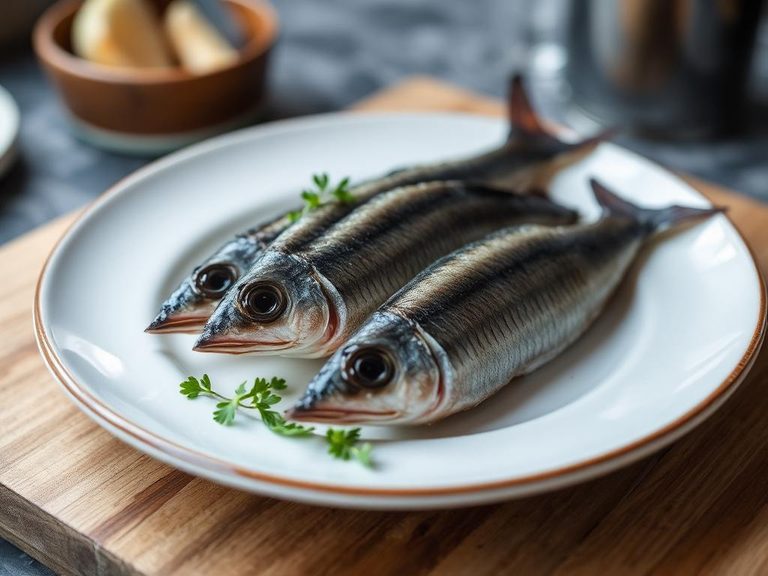
Atlantic herring, cooked via dry heat, is a rich, oily fish with a robust, savory flavor and a firm, flaky texture. Its deep, slightly sweet taste is a hallmark of northern coastal cuisines. Nutritionally, it's a powerhouse of high-quality protein and heart-healthy omega-3 fats, with virtually no carbohydrates.
Calorie split: 47% protein · 0% carbs · 53% fat
↓ Full nutrition💚 Why it's loved
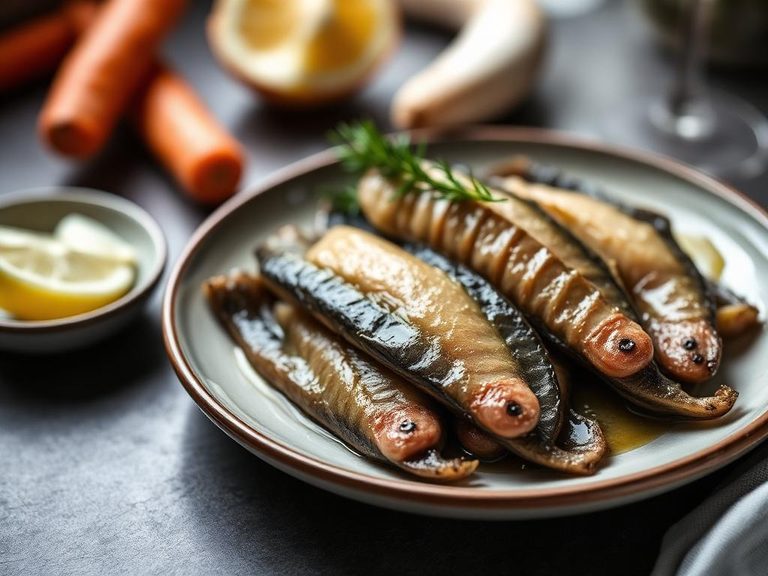
People love herring for its bold, savory flavor that stands up to strong marinades and smoky preparations. It's a cultural staple in many regions, enjoyed pickled, smoked, or grilled, offering a taste of the sea with deep culinary tradition.
⚠️ Watch-outs & how to enjoy it better
Its strong, oily flavor can be intense for those accustomed to milder fish. As a common allergen, it must be avoided by individuals with fish allergies. To balance the richness, pair it with acidic sides like lemon or vinegar-based salads, and control portion sizes if monitoring fat intake.
Key benefits
- Excellent source of complete protein for muscle maintenance.
- Rich in omega-3 fatty acids (EPA & DHA) for cardiovascular health.
- Provides significant vitamin B12 for nerve function and energy.
- Contains vitamin D, important for bone health and immunity.
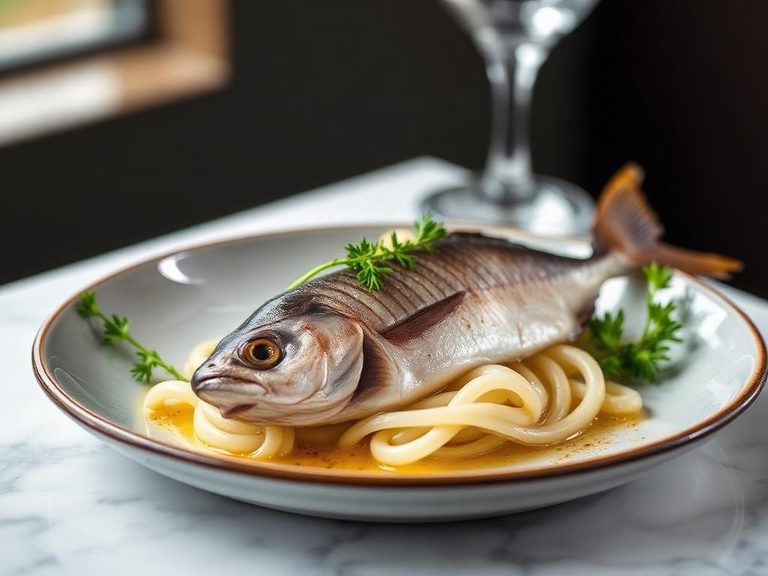
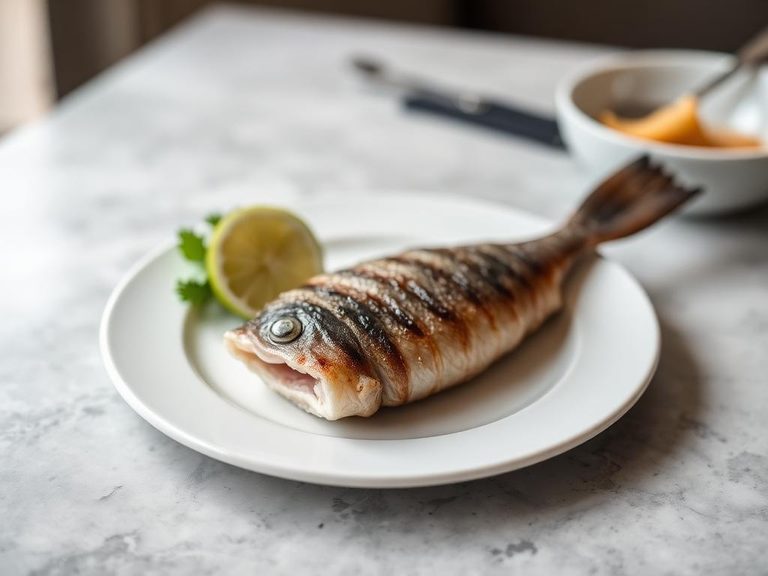
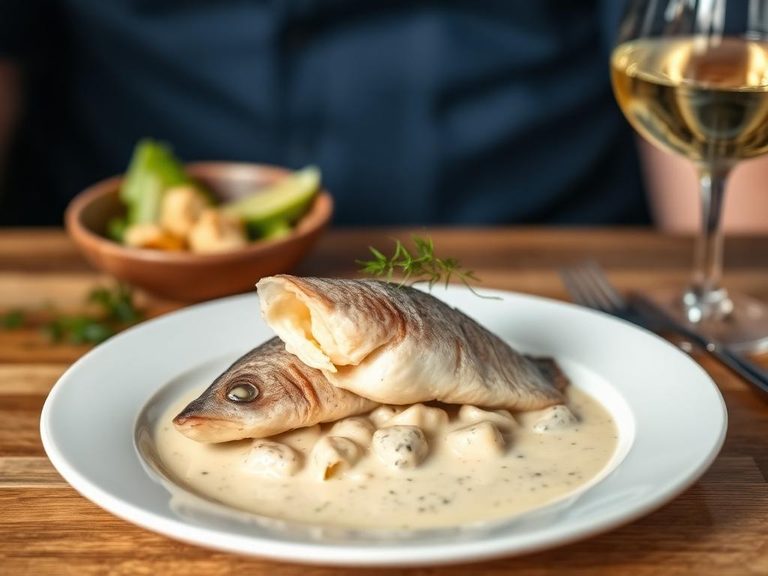
🍽️ Popular dishes
🌍 Where it's eaten
💡 Did you know?
Herring have been a key trade commodity since the Middle Ages; the Dutch Golden Age was partly financed by the 'silver of the sea' from their herring fisheries.
Full nutrition (USDA data · scales with serving)
| Water | 64.2 g |
| Energy | 203 kcal |
| Energy | 849 kj |
| Protein | 23.0 g |
| Total lipid (fat) | 11.6 g |
| Ash | 1.9 g |
| Carbohydrate, by difference | 0.00 g |
| Fiber, total dietary | 0.00 g |
| Total Sugars | 0.00 g |
| Calcium, Ca | 74.0 mg |
| Iron, Fe | 1.4 mg |
| Magnesium, Mg | 41.0 mg |
| Phosphorus, P | 303 mg |
| Potassium, K | 419 mg |
| Sodium, Na | 115 mg |
| Zinc, Zn | 1.3 mg |
| Copper, Cu | 0.12 mg |
| Manganese, Mn | 0.04 mg |
| Selenium, Se | 46.8 ug |
| Vitamin C, total ascorbic acid | 0.70 mg |
| Thiamin | 0.11 mg |
| Riboflavin | 0.30 mg |
| Niacin | 4.1 mg |
| Pantothenic acid | 0.74 mg |
| Vitamin B-6 | 0.35 mg |
| Folate, total | 12.0 ug |
| Folic acid | 0.00 ug |
| Folate, food | 12.0 ug |
| Folate, DFE | 12.0 ug |
| Choline, total | 83.3 mg |
| Vitamin B-12 | 13.1 ug |
| Vitamin B-12, added | 0.00 ug |
| Vitamin A, RAE | 36.0 ug |
| Retinol | 36.0 ug |
| Carotene, beta | 0.00 ug |
| Carotene, alpha | 0.00 ug |
| Cryptoxanthin, beta | 0.00 ug |
| Vitamin A, IU | 120 iu |
| Lycopene | 0.00 ug |
| Lutein + zeaxanthin | 0.00 ug |
| Vitamin E (alpha-tocopherol) | 1.4 mg |
| Vitamin E, added | 0.00 mg |
| Vitamin D (D2 + D3), International Units | 214 iu |
| Vitamin D (D2 + D3) | 5.4 ug |
| Vitamin D3 (cholecalciferol) | 5.4 ug |
| Vitamin K (phylloquinone) | 0.10 ug |
| Alcohol, ethyl | 0.00 g |
| Caffeine | 0.00 mg |
| Theobromine | 0.00 mg |
Fat & fatty acid profile (per 100g)
| Fatty acids, total saturated | 2.6 g |
| SFA 4:0 | 0.00 g |
| SFA 6:0 | 0.00 g |
| SFA 8:0 | 0.00 g |
| SFA 10:0 | 0.00 g |
| SFA 12:0 | 0.01 g |
| SFA 14:0 | 0.71 g |
| SFA 16:0 | 1.7 g |
| SFA 18:0 | 0.14 g |
| Fatty acids, total monounsaturated | 4.8 g |
| MUFA 16:1 | 0.80 g |
| MUFA 18:1 | 1.9 g |
| MUFA 20:1 | 0.92 g |
| MUFA 22:1 | 1.1 g |
| Fatty acids, total polyunsaturated | 2.7 g |
| PUFA 18:2 | 0.17 g |
| PUFA 18:3 | 0.13 g |
| PUFA 18:4 | 0.27 g |
| PUFA 20:4 | 0.08 g |
| PUFA 20:5 n-3 (EPA) | 0.91 g |
| PUFA 22:5 n-3 (DPA) | 0.07 g |
| PUFA 22:6 n-3 (DHA) | 1.1 g |
| Cholesterol | 77.0 mg |
Amino acid profile (per 100g)
| Tryptophan | 0.26 g |
| Threonine | 1.0 g |
| Isoleucine | 1.1 g |
| Leucine | 1.9 g |
| Lysine | 2.1 g |
| Methionine | 0.68 g |
| Cystine | 0.25 g |
| Phenylalanine | 0.90 g |
| Tyrosine | 0.78 g |
| Valine | 1.2 g |
| Arginine | 1.4 g |
| Histidine | 0.68 g |
| Alanine | 1.4 g |
| Aspartic acid | 2.4 g |
| Glutamic acid | 3.4 g |
| Glycine | 1.1 g |
| Proline | 0.81 g |
| Serine | 0.94 g |
FAQ
How does dry-heat cooking affect herring compared to other methods?
Dry-heat methods like grilling or broiling concentrate herring's natural oils and flavor, creating a firmer texture and crispier exterior compared to poaching or steaming, which yield a milder, softer result.
Is cooked herring a good source of omega-3s compared to other fish?
Yes, herring is one of the richest sources of omega-3 fatty acids among common fish, often surpassing salmon per serving, making it excellent for supporting heart and brain health.
What's the best way to store leftover cooked herring?
Store cooked herring in an airtight container in the refrigerator for up to 3 days. For longer storage, freeze it for up to 3 months, though the texture may become slightly softer upon thawing.
Nutrient density (calculated · NRF9.3)
Nutrient Rich Foods index: beneficial nutrients (protein, fiber, vitamins, minerals) minus saturated fat, added sugar & sodium, per 100 kcal.
NRF9.3 index — Fulgoni, Keast & Drewnowski, 2009. Computed from USDA nutrients.
Weight-loss friendliness (composite index)
Energy density 2.03 kcal/g · 45% calories from protein · 0.0 g fiber · 0.0 g sugar per 100 g.
Composite of energy density (Rolls et al., 1999), protein & fiber satiety, minus sugar. A calculated heuristic — ranks satiety-per-calorie, not a clinical measure.
Dietary load (calculated from USDA values)
Potential renal acid load. Positive = acid-forming, negative = alkaline-forming.
Sodium-to-potassium ratio: 0.27 (lower is better — aim for ≤ 1)
Sodium:potassium per WHO potassium guidance. Computed from USDA nutrients.