

Fish, haddock, smoked
Whole food · Finfish and Shellfish Products
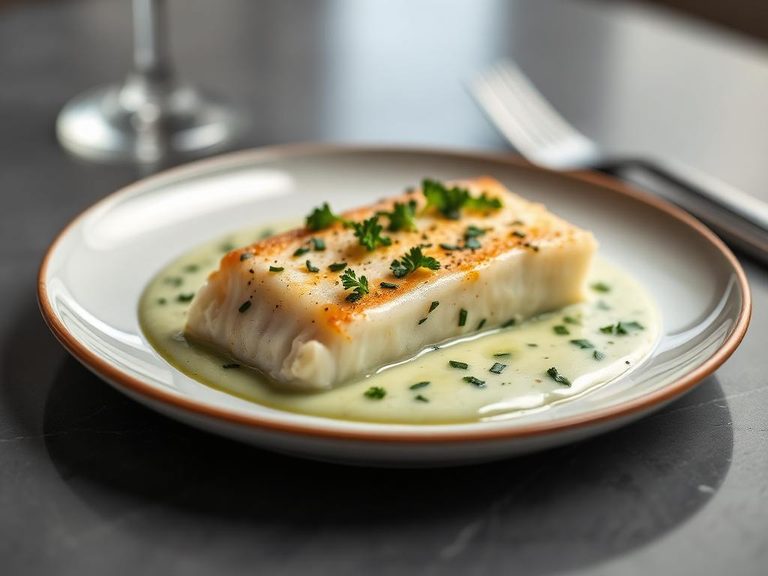
Smoked haddock is a firm, white-fleshed fish that has been cured and cold-smoked, giving it a distinctive golden hue and a delicate, sweet-smoky flavor. Its texture remains moist and flaky when cooked, making it a luxurious yet lean protein source. With virtually no fat or carbohydrates, it's a powerhouse of pure, high-quality protein.
Calorie split: 92% protein · 0% carbs · 8% fat
↓ Full nutrition💚 Why it's loved
People adore smoked haddock for its elegant, smoky flavor that elevates simple dishes like a classic fish pie or a creamy chowder. Its firm texture holds up beautifully in cooking, and it's a cornerstone of traditional British and Irish comfort food.
⚠️ Watch-outs & how to enjoy it better
The smoking process can add significant sodium, so those monitoring salt intake should be cautious. It's also a common fish allergen. To counteract sodium, you can soak the fillets in cold water or milk for 30 minutes before cooking to draw out some salt. Always check with a doctor if you have a fish allergy.
Key benefits
- Excellent source of lean protein (25g per 100g)
- Very low in fat and calories
- Contains essential vitamins like B12 and niacin
- Provides minerals such as selenium and phosphorus
- Naturally low in carbohydrates
🍽️ Popular dishes
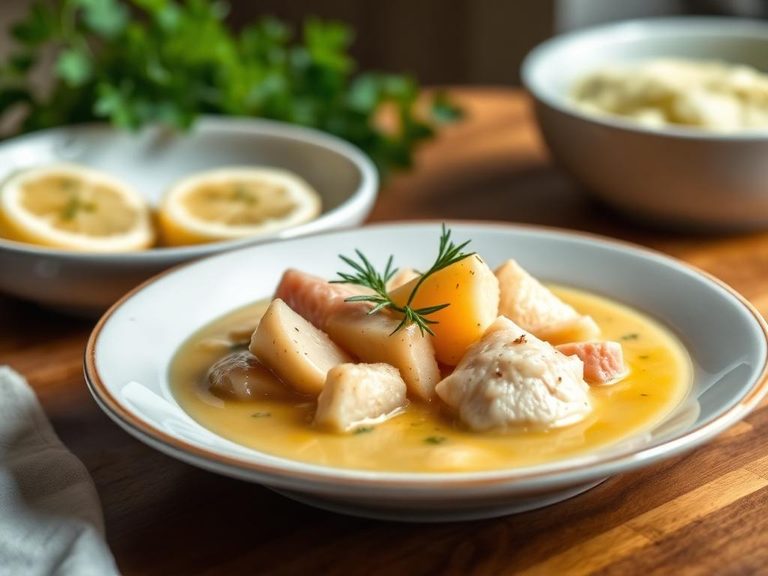
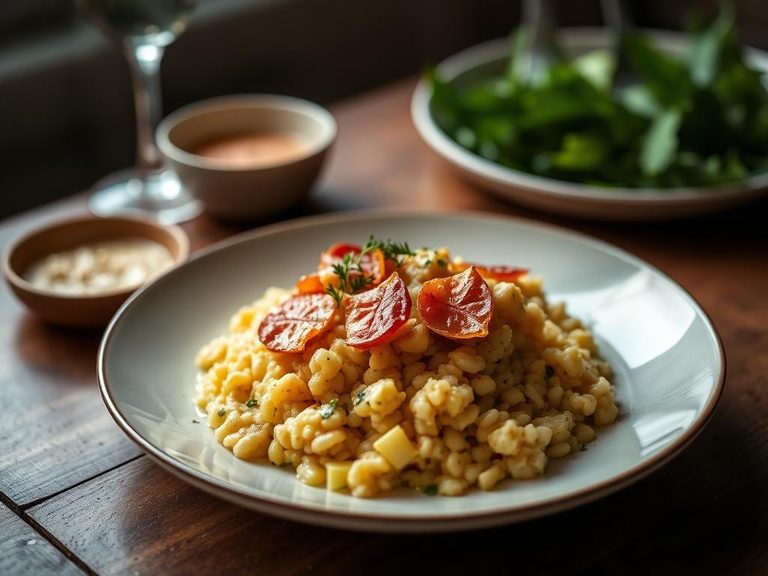
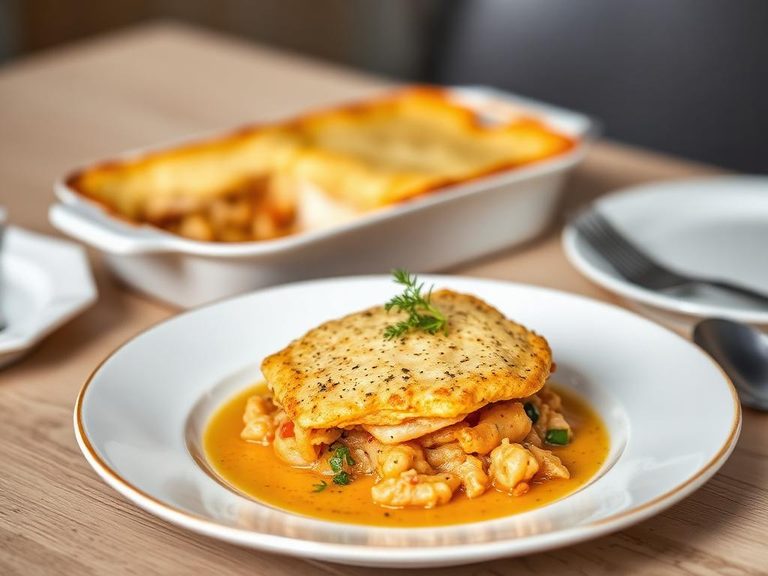
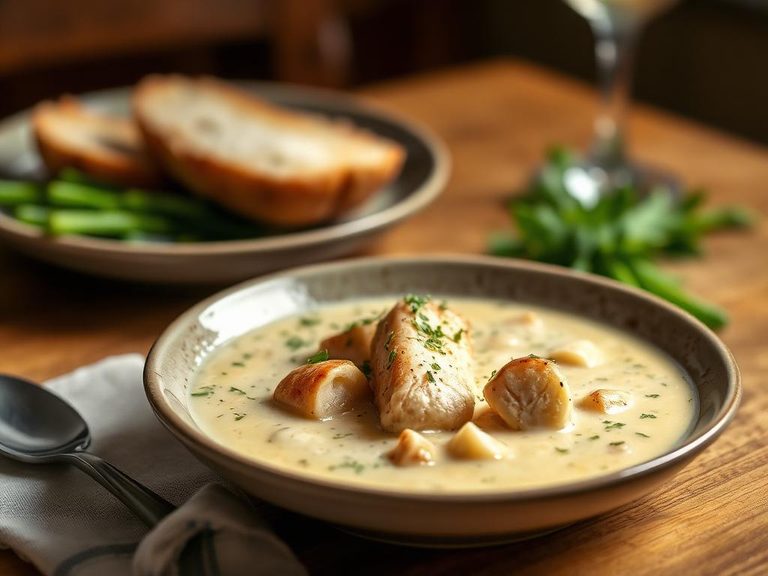
🌍 Where it's eaten
💡 Did you know?
The traditional yellow color of smoked haddock was originally achieved by adding a natural dye called 'copperas' (iron sulfate) to the brine, though today food-grade yellow colorants are used.
Full nutrition (USDA data · scales with serving)
| Water | 71.5 g |
| Energy | 116 kcal |
| Energy | 485 kj |
| Protein | 25.2 g |
| Total lipid (fat) | 0.96 g |
| Ash | 1.6 g |
| Carbohydrate, by difference | 0.00 g |
| Fiber, total dietary | 0.00 g |
| Total Sugars | 0.00 g |
| Calcium, Ca | 49.0 mg |
| Iron, Fe | 1.4 mg |
| Magnesium, Mg | 54.0 mg |
| Phosphorus, P | 251 mg |
| Potassium, K | 415 mg |
| Sodium, Na | 763 mg |
| Zinc, Zn | 0.50 mg |
| Copper, Cu | 0.04 mg |
| Manganese, Mn | 0.03 mg |
| Selenium, Se | 42.9 ug |
| Vitamin C, total ascorbic acid | 0.00 mg |
| Thiamin | 0.05 mg |
| Riboflavin | 0.05 mg |
| Niacin | 5.1 mg |
| Pantothenic acid | 0.17 mg |
| Vitamin B-6 | 0.40 mg |
| Folate, total | 15.0 ug |
| Folic acid | 0.00 ug |
| Folate, food | 15.0 ug |
| Folate, DFE | 15.0 ug |
| Choline, total | 92.3 mg |
| Vitamin B-12 | 1.6 ug |
| Vitamin B-12, added | 0.00 ug |
| Vitamin A, RAE | 24.0 ug |
| Retinol | 24.0 ug |
| Carotene, beta | 0.00 ug |
| Carotene, alpha | 0.00 ug |
| Cryptoxanthin, beta | 0.00 ug |
| Vitamin A, IU | 80.0 iu |
| Lycopene | 0.00 ug |
| Lutein + zeaxanthin | 0.00 ug |
| Vitamin E (alpha-tocopherol) | 0.55 mg |
| Vitamin E, added | 0.00 mg |
| Vitamin D (D2 + D3), International Units | 34.0 iu |
| Vitamin D (D2 + D3) | 0.80 ug |
| Vitamin D3 (cholecalciferol) | 0.80 ug |
| Vitamin K (phylloquinone) | 0.10 ug |
| Alcohol, ethyl | 0.00 g |
| Caffeine | 0.00 mg |
| Theobromine | 0.00 mg |
Fat & fatty acid profile (per 100g)
| Fatty acids, total saturated | 0.17 g |
| SFA 4:0 | 0.00 g |
| SFA 6:0 | 0.00 g |
| SFA 8:0 | 0.00 g |
| SFA 10:0 | 0.00 g |
| SFA 12:0 | 0.00 g |
| SFA 14:0 | 0.01 g |
| SFA 16:0 | 0.12 g |
| SFA 18:0 | 0.04 g |
| Fatty acids, total monounsaturated | 0.16 g |
| MUFA 16:1 | 0.02 g |
| MUFA 18:1 | 0.09 g |
| MUFA 20:1 | 0.01 g |
| MUFA 22:1 | 0.03 g |
| Fatty acids, total polyunsaturated | 0.32 g |
| PUFA 18:2 | 0.01 g |
| PUFA 18:3 | 0.00 g |
| PUFA 18:4 | 0.00 g |
| PUFA 20:4 | 0.03 g |
| PUFA 20:5 n-3 (EPA) | 0.08 g |
| PUFA 22:5 n-3 (DPA) | 0.03 g |
| PUFA 22:6 n-3 (DHA) | 0.17 g |
| Cholesterol | 77.0 mg |
Amino acid profile (per 100g)
| Tryptophan | 0.28 g |
| Threonine | 1.1 g |
| Isoleucine | 1.2 g |
| Leucine | 2.0 g |
| Lysine | 2.3 g |
| Methionine | 0.75 g |
| Cystine | 0.27 g |
| Phenylalanine | 0.98 g |
| Tyrosine | 0.85 g |
| Valine | 1.3 g |
| Arginine | 1.5 g |
| Histidine | 0.74 g |
| Alanine | 1.5 g |
| Aspartic acid | 2.6 g |
| Glutamic acid | 3.8 g |
| Glycine | 1.2 g |
| Proline | 0.89 g |
| Serine | 1.0 g |
FAQ
What's the difference between smoked haddock and regular haddock?
Regular haddock is fresh and unprocessed, while smoked haddock has been cured in salt and then smoked, which preserves it, adds a distinct smoky flavor, and gives it a characteristic yellow color.
Is smoked haddock cooked?
Yes, the smoking process partially cooks the fish, but it is almost always fully cooked before eating by poaching, baking, or grilling to ensure safety and optimal texture.
How should I store smoked haddock?
Keep it refrigerated at 40°F (4°C) or below and use it within 2-3 days of purchase. For longer storage, wrap it tightly and freeze for up to 3 months.
Nutrient density (calculated · NRF9.3)
Nutrient Rich Foods index: beneficial nutrients (protein, fiber, vitamins, minerals) minus saturated fat, added sugar & sodium, per 100 kcal.
NRF9.3 index — Fulgoni, Keast & Drewnowski, 2009. Computed from USDA nutrients.
Weight-loss friendliness (composite index)
Energy density 1.16 kcal/g · 87% calories from protein · 0.0 g fiber · 0.0 g sugar per 100 g.
Composite of energy density (Rolls et al., 1999), protein & fiber satiety, minus sugar. A calculated heuristic — ranks satiety-per-calorie, not a clinical measure.
Dietary load (calculated from USDA values)
Potential renal acid load. Positive = acid-forming, negative = alkaline-forming.
Sodium-to-potassium ratio: 1.84 (lower is better — aim for ≤ 1)
Sodium:potassium per WHO potassium guidance. Computed from USDA nutrients.