

Egg, white, dried, powder, stabilized, glucose reduced
Whole food · Dairy and Egg Products

Photo: Wikipedia
This is a highly refined, shelf-stable powder made from pasteurized egg whites, where the natural sugars have been enzymatically removed. It has a neutral, slightly sulfurous aroma and a fine, free-flowing texture that rehydrates into a smooth, frothy liquid. Its standout feature is an exceptionally high concentration of pure protein with virtually zero fat, carbohydrates, or sugar.
Calorie split: 95% protein · 5% carbs · 0% fat
↓ Full nutrition💚 Why it's loved
It's prized by athletes, bakers, and food manufacturers for its ability to deliver a massive protein punch without altering the taste or macronutrient profile of a dish. Its neutrality and solubility make it a seamless, invisible protein booster in everything from smoothies to baked goods.
⚠️ Watch-outs & how to enjoy it better
The primary caution is for individuals with egg allergies, as this is a potent, concentrated form of egg white protein. The sulfurous notes can become pronounced if overheated or used in large quantities, potentially imparting an off-flavor. To mitigate this, incorporate it into strongly flavored recipes (like chocolate or spiced dishes) and avoid boiling concentrated solutions directly.
Key benefits
- Provides a concentrated source of high-quality, complete protein (82.4g per 100g).
- Extremely low in fat (0.04g) and carbohydrates (4.47g), ideal for specific dietary plans.
- Glucose-reduced formulation minimizes browning and extends shelf life.
- Highly versatile for fortifying recipes without adding significant flavor or texture.
- Excellent source of essential amino acids, particularly leucine for muscle synthesis.
🍽️ Popular dishes
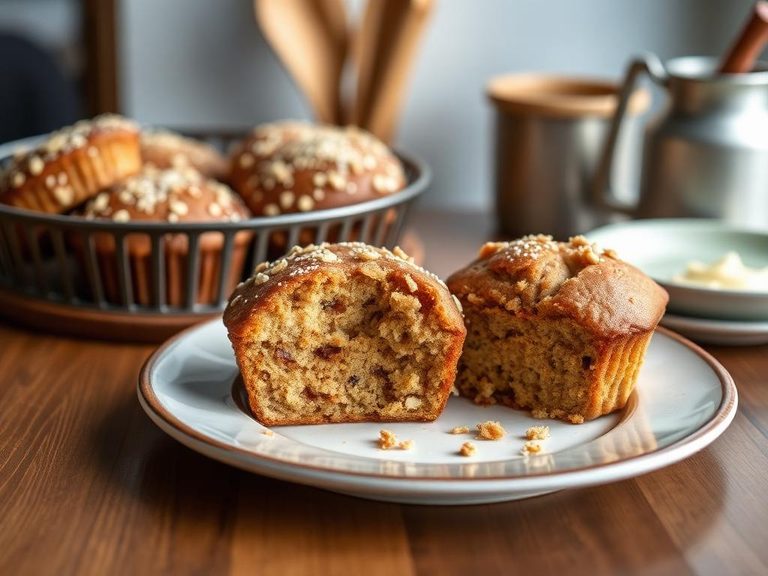
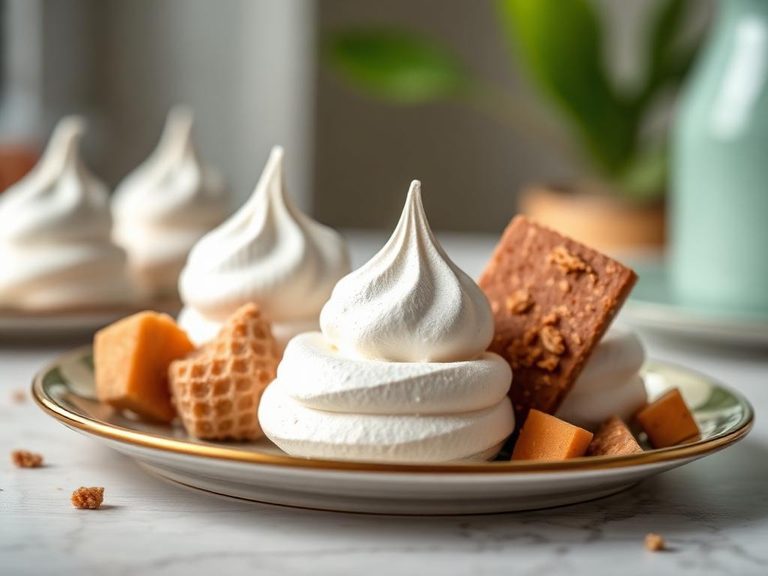
🌍 Where it's eaten
💡 Did you know?
The glucose-reduction process isn't just for nutrition; it specifically prevents the Maillard reaction (browning) during storage, keeping the powder white and extending its shelf life for years.
Full nutrition (USDA data · scales with serving)
| Water | 8.5 g |
| Energy | 376 kcal |
| Energy | 1573 kj |
| Protein | 82.4 g |
| Total lipid (fat) | 0.04 g |
| Ash | 4.5 g |
| Carbohydrate, by difference | 4.5 g |
| Fiber, total dietary | 0.00 g |
| Total Sugars | 0.00 g |
| Calcium, Ca | 89.0 mg |
| Iron, Fe | 0.24 mg |
| Magnesium, Mg | 72.0 mg |
| Phosphorus, P | 89.0 mg |
| Potassium, K | 1116 mg |
| Sodium, Na | 1238 mg |
| Zinc, Zn | 0.16 mg |
| Copper, Cu | 0.17 mg |
| Manganese, Mn | 0.05 mg |
| Selenium, Se | 125 ug |
| Vitamin C, total ascorbic acid | 0.00 mg |
| Thiamin | 0.04 mg |
| Riboflavin | 2.3 mg |
| Niacin | 0.72 mg |
| Pantothenic acid | 2.0 mg |
| Vitamin B-6 | 0.02 mg |
| Folate, total | 96.0 ug |
| Folic acid | 0.00 ug |
| Folate, food | 96.0 ug |
| Folate, DFE | 96.0 ug |
| Choline, total | 8.4 mg |
| Vitamin B-12 | 0.53 ug |
| Vitamin B-12, added | 0.00 ug |
| Vitamin A, RAE | 0.00 ug |
| Retinol | 0.00 ug |
| Carotene, beta | 0.00 ug |
| Carotene, alpha | 0.00 ug |
| Cryptoxanthin, beta | 0.00 ug |
| Vitamin A, IU | 0.00 iu |
| Lycopene | 0.00 ug |
| Lutein + zeaxanthin | 0.00 ug |
| Vitamin E (alpha-tocopherol) | 0.00 mg |
| Vitamin E, added | 0.00 mg |
| Vitamin D (D2 + D3), International Units | 0.00 iu |
| Vitamin D (D2 + D3) | 0.00 ug |
| Vitamin K (phylloquinone) | 0.00 ug |
| Alcohol, ethyl | 0.00 g |
| Caffeine | 0.00 mg |
| Theobromine | 0.00 mg |
Fat & fatty acid profile (per 100g)
| Fatty acids, total saturated | 0.00 g |
| SFA 4:0 | 0.00 g |
| SFA 6:0 | 0.00 g |
| SFA 8:0 | 0.00 g |
| SFA 10:0 | 0.00 g |
| SFA 12:0 | 0.00 g |
| SFA 14:0 | 0.00 g |
| SFA 16:0 | 0.00 g |
| SFA 18:0 | 0.00 g |
| Fatty acids, total monounsaturated | 0.00 g |
| MUFA 16:1 | 0.00 g |
| MUFA 18:1 | 0.00 g |
| MUFA 20:1 | 0.00 g |
| MUFA 22:1 | 0.00 g |
| Fatty acids, total polyunsaturated | 0.00 g |
| PUFA 18:2 | 0.00 g |
| PUFA 18:3 | 0.00 g |
| PUFA 18:4 | 0.00 g |
| PUFA 20:4 | 0.00 g |
| PUFA 20:5 n-3 (EPA) | 0.00 g |
| PUFA 22:5 n-3 (DPA) | 0.00 g |
| PUFA 22:6 n-3 (DHA) | 0.00 g |
| Cholesterol | 0.00 mg |
Amino acid profile (per 100g)
| Tryptophan | 1.3 g |
| Threonine | 3.7 g |
| Isoleucine | 5.0 g |
| Leucine | 7.2 g |
| Lysine | 5.1 g |
| Methionine | 3.2 g |
| Cystine | 2.0 g |
| Phenylalanine | 5.2 g |
| Tyrosine | 3.3 g |
| Valine | 6.2 g |
| Arginine | 4.8 g |
| Histidine | 1.9 g |
| Alanine | 5.3 g |
| Aspartic acid | 7.3 g |
| Glutamic acid | 11.5 g |
| Glycine | 3.1 g |
| Proline | 3.1 g |
| Serine | 6.1 g |
FAQ
How does it differ from regular dried egg white powder?
This version is enzymatically treated to remove most of the natural glucose (sugar). This reduces browning during storage and cooking, improves shelf stability, and results in a lower carbohydrate content per serving.
Can I use it as a direct substitute for fresh egg whites in recipes?
Generally, yes, but you must rehydrate it first. A common ratio is 1 tablespoon of powder to 3 tablespoons of water to replace one large egg white. The rehydrated liquid behaves similarly in foaming and binding applications.
Why is the protein content so much higher than fresh egg whites?
Fresh egg whites are about 90% water. This product is dehydrated, so the water is removed, concentrating the protein and other solids into a dense powder. The nutritional values are given per 100g of the dry powder.
Nutrient density (calculated · NRF9.3)
Nutrient Rich Foods index: beneficial nutrients (protein, fiber, vitamins, minerals) minus saturated fat, added sugar & sodium, per 100 kcal.
NRF9.3 index — Fulgoni, Keast & Drewnowski, 2009. Computed from USDA nutrients.
Weight-loss friendliness (composite index)
Energy density 3.76 kcal/g · 88% calories from protein · 0.0 g fiber · 0.0 g sugar per 100 g.
Composite of energy density (Rolls et al., 1999), protein & fiber satiety, minus sugar. A calculated heuristic — ranks satiety-per-calorie, not a clinical measure.
Dietary load (calculated from USDA values)
Potential renal acid load. Positive = acid-forming, negative = alkaline-forming.
Sodium-to-potassium ratio: 1.11 (lower is better — aim for ≤ 1)
Sodium:potassium per WHO potassium guidance. Computed from USDA nutrients.