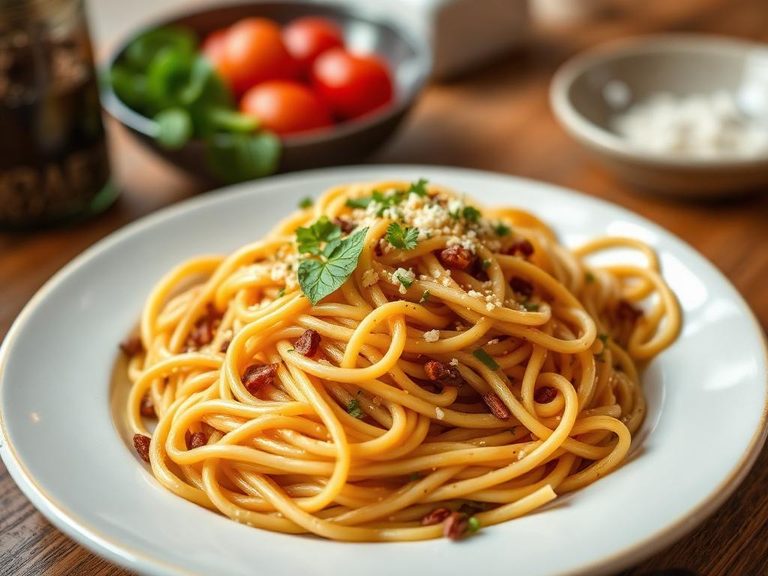
Protein-fortified pasta or noodles
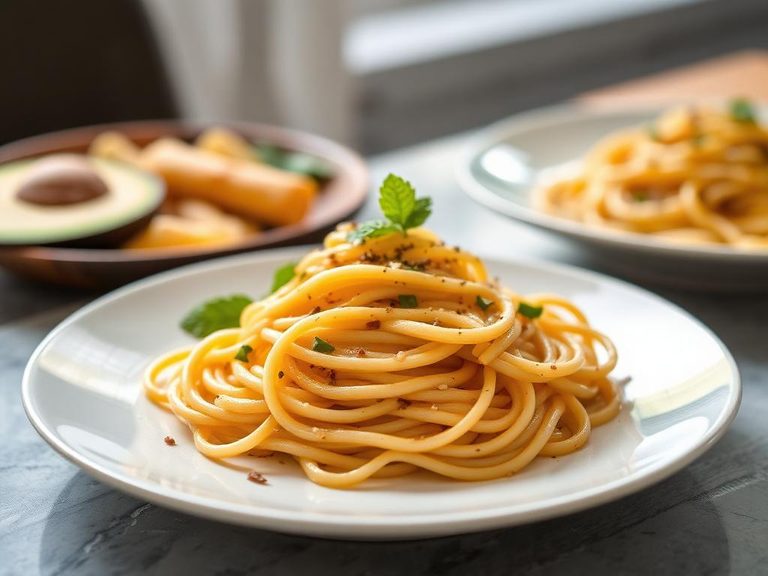
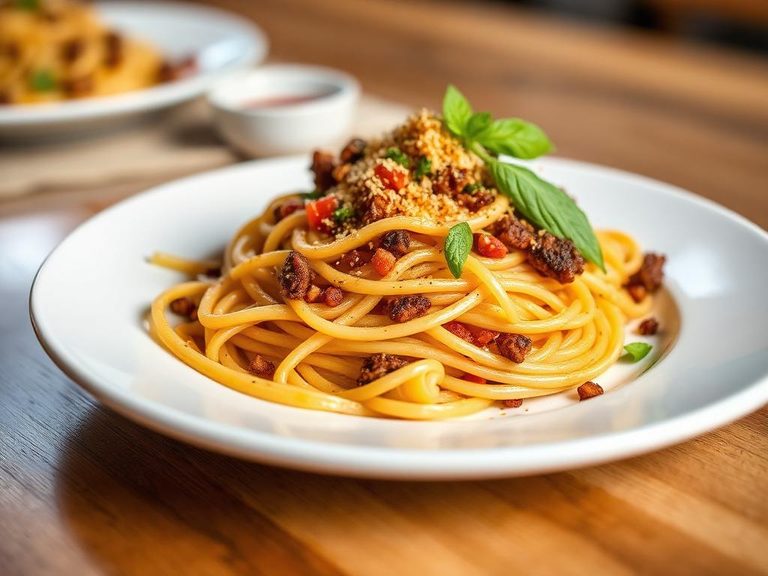
Protein-fortified pasta or noodles are a modern food innovation where traditional wheat-based pasta is enhanced with additional protein sources like pea, soy, or egg whites. This creates a product that looks and cooks like regular pasta but offers a significantly higher protein content. It's a popular choice for health-conscious consumers, athletes, and anyone looking to boost their meal's nutritional profile without changing their familiar dishes.
🍽️ Nutrition at a glance
This dish is notably high in protein while maintaining a moderate carbohydrate content, making it a more balanced macronutrient option than standard pasta. A typical serving provides a substantial amount of plant-based or animal protein, along with essential minerals like iron and potassium, and generally falls in the 200-250 calorie range.
Nutrition breakdown
| Calories | 210 kcal |
| Protein | 15 g |
| Carbs | 35 g |
| Fat | 2 g |
| Fiber | 5 g |
| Sugar | 2 g |
| Sodium | 10 mg |
| Iron | 3.5 mg |
| Potassium | 250 mg |
| Magnesium | 40 mg |
| Phosphorus | 120 mg |
| Thiamin (B1) | 0.3 mg |
| Folate | 100 mcg |
Per 1 cup cooked (140 g) · estimated, varies by recipe
💡 What's interesting
Culturally, it represents the fusion of traditional staple foods with modern nutritional science, adapting a classic carbohydrate source to meet contemporary dietary trends focused on higher protein intake. Nutritionally, its unique selling point is the ability to deliver a protein content comparable to a serving of meat or legumes within the familiar format of a pasta dish.