Protein-fortified bread and flatbreads
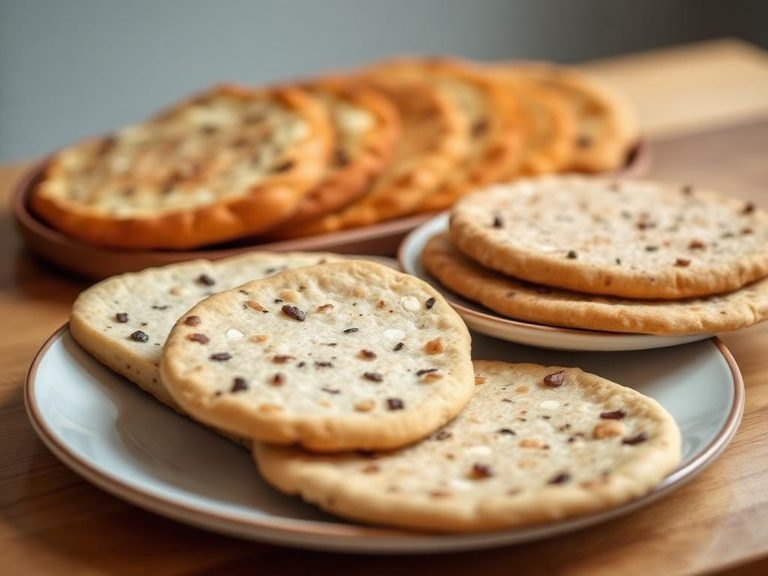
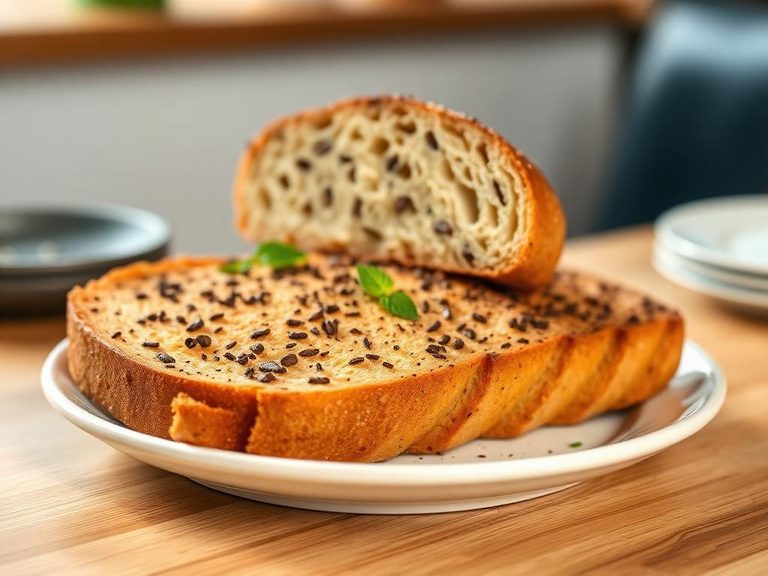
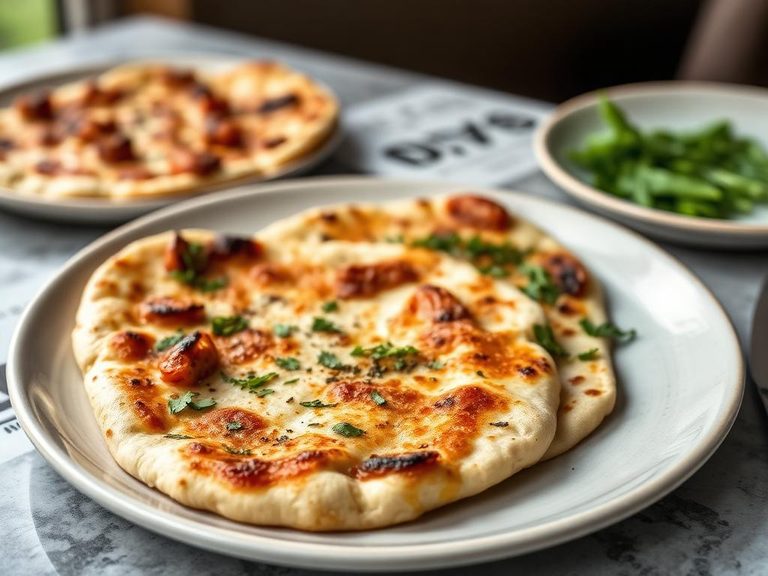
Protein-fortified bread and flatbreads are baked or griddled staples enhanced with protein-rich ingredients like legume flours, seeds, or dairy derivatives. They are found globally, from high-protein commercial loaves to traditional flatbreads like Indian paratha or Middle Eastern manakish that incorporate lentils, chickpeas, or cheese. The goal is to boost the protein content of a typically carbohydrate-heavy food.
🍽️ Nutrition at a glance
These breads are significantly higher in protein than standard varieties, often providing 10-15g per serving, while remaining a good source of complex carbohydrates and dietary fiber. A typical serving contains roughly 200-250 calories, with key nutrients including iron, B vitamins, and minerals like magnesium.
Nutrition breakdown
| Calories | 210 kcal |
| Protein | 12 g |
| Carbs | 30 g |
| Fat | 4 g |
| Fiber | 5 g |
| Sugar | 2 g |
| Sodium | 320 mg |
| Iron | 2.5 mg |
| Magnesium | 45 mg |
| Phosphorus | 120 mg |
| Thiamin (B1) | 0.3 mg |
| Folate | 60 mcg |
| Zinc | 1.5 mg |
| Selenium | 12 mcg |
| Potassium | 150 mg |
Per 1 slice (60 g) · estimated, varies by recipe
💡 What's interesting
Nutritionally, they represent a practical innovation to address protein gaps in diets reliant on grains. Culturally, they often modernize traditional flatbreads, making them a popular choice for athletes and health-conscious consumers seeking sustained energy and satiety.