Protein-fortified bread

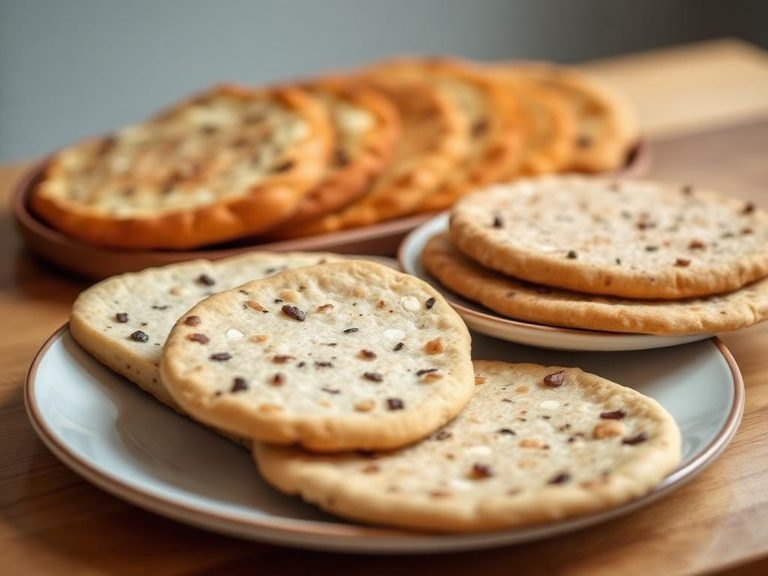
Protein-fortified bread is a modern bakery product designed to significantly boost the protein content of a standard loaf. It typically starts with a base of wheat or whole-grain flour and incorporates concentrated protein sources like whey, soy, pea protein, or vital wheat gluten. While the concept originated in health food circles globally, it is now a common offering in mainstream bakeries and supermarkets worldwide.
🍽️ Nutrition at a glance
This bread is engineered to be high in protein, often containing 10-15 grams per slice, while its carbohydrate and fat content can vary based on the specific recipe. A single slice provides a good amount of protein for muscle maintenance, along with key nutrients like iron and B vitamins from the flour, and typically ranges from 120 to 180 calories.
Nutrition breakdown
| Calories | 150 kcal |
| Protein | 12 g |
| Carbs | 20 g |
| Fat | 3 g |
| Fiber | 3 g |
| Sugar | 2 g |
| Sodium | 250 mg |
| Iron | 2.5 mg |
| Thiamin (B1) | 0.2 mg |
| Niacin (B3) | 2.5 mg |
| Folate | 60 mcg |
| Potassium | 120 mg |
| Magnesium | 25 mg |
| Phosphorus | 80 mg |
| Selenium | 10 mcg |
Per 1 slice (50 g) · estimated, varies by recipe
💡 What's interesting
What makes this bread nutritionally unique is its deliberate manipulation of the traditional macronutrient profile, turning a typically carb-focused staple into a significant protein source. Culturally, it reflects the growing global trend of 'functional foods'—everyday items engineered to provide specific health benefits beyond basic nutrition.