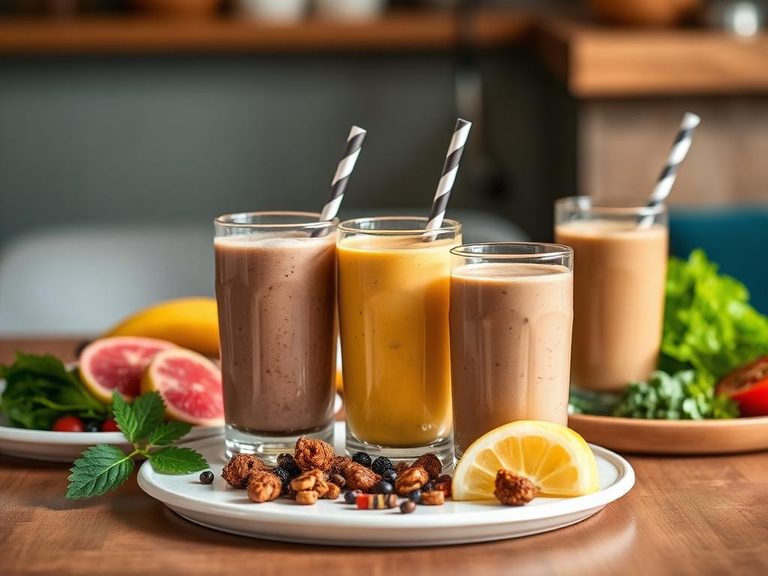
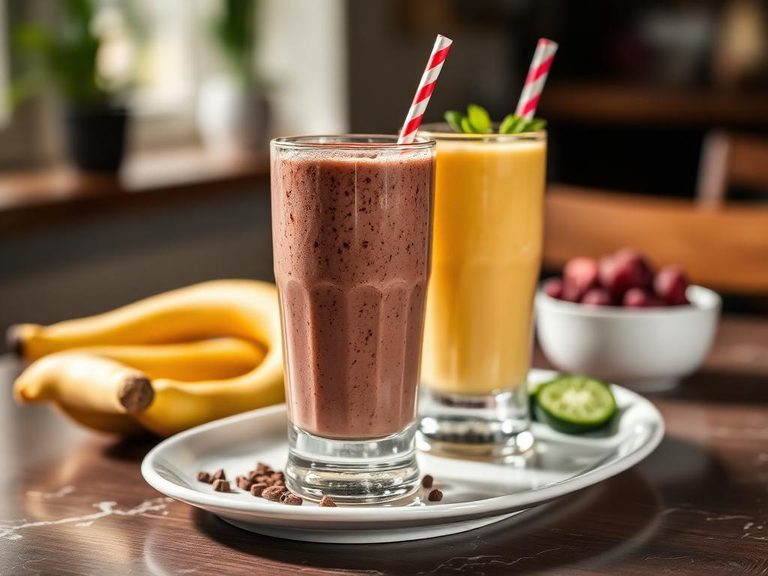
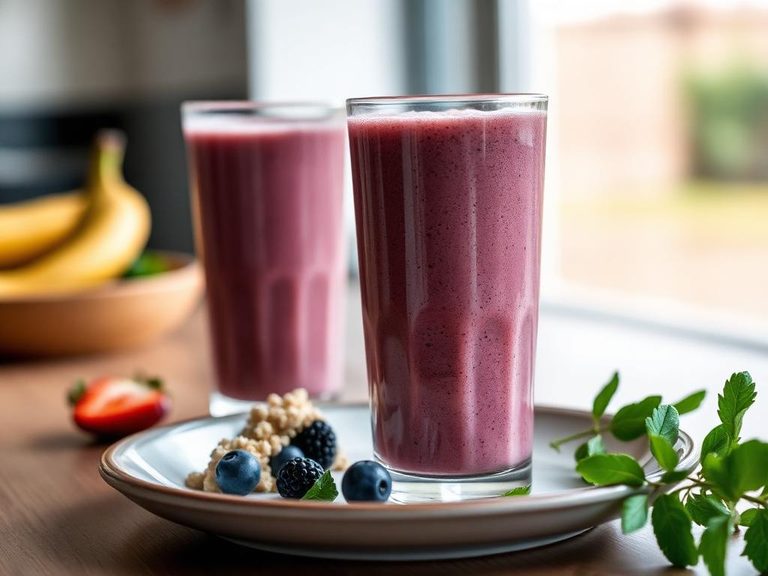
Protein-fortified smoothies and shakes
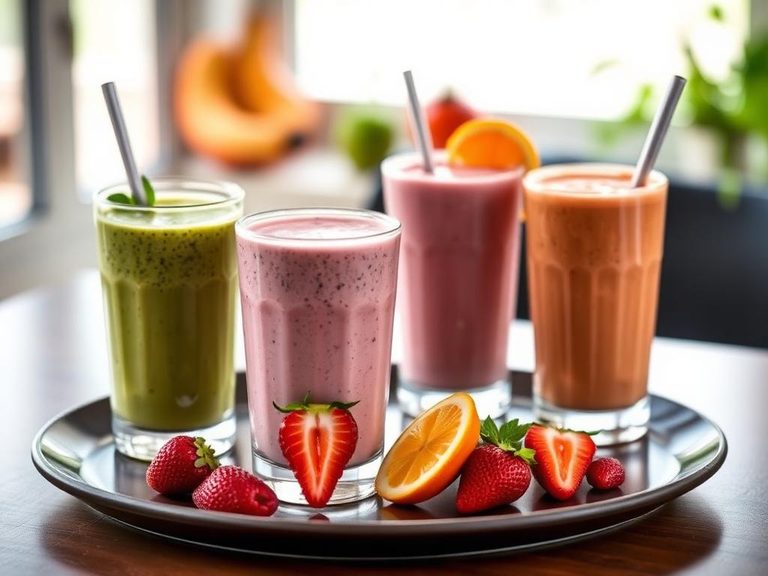
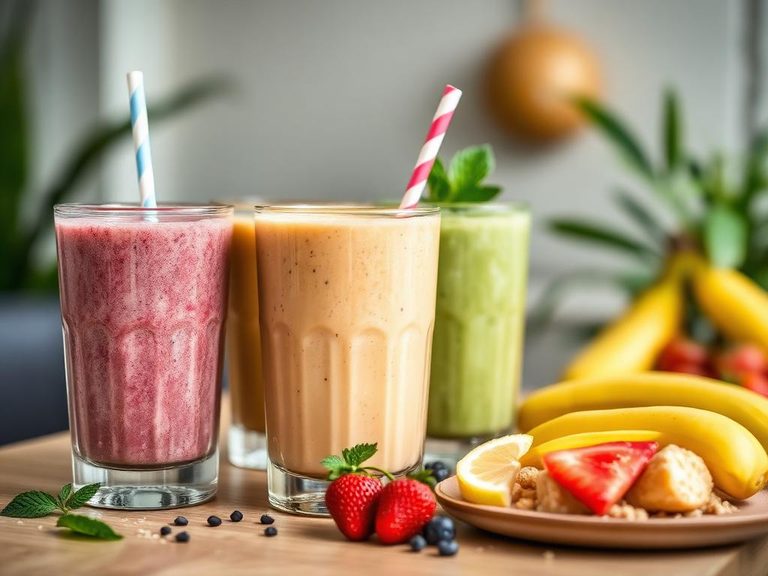
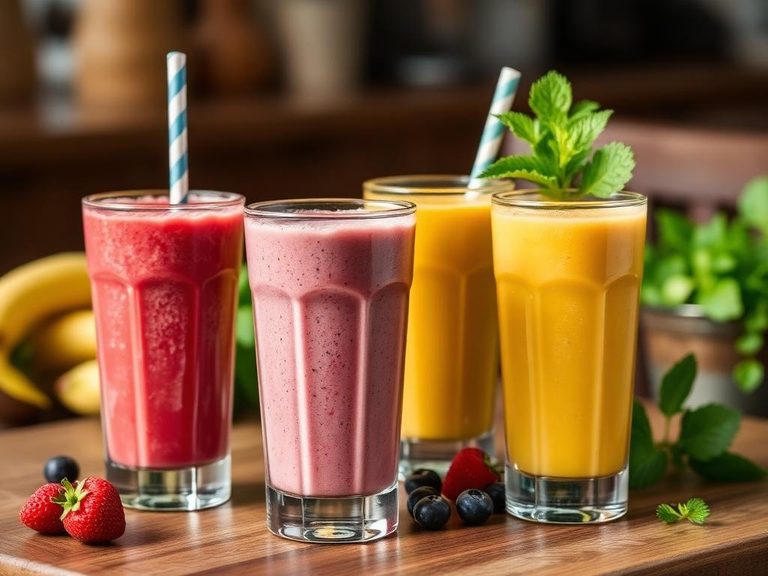
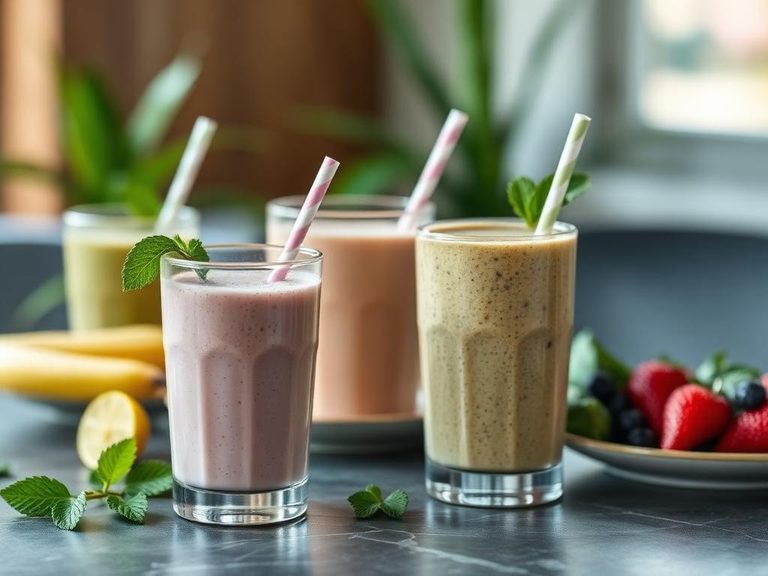
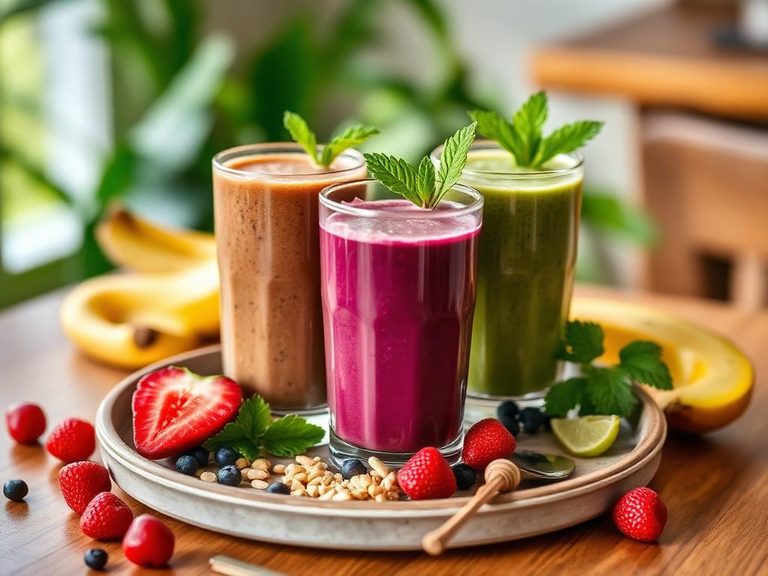
Protein-fortified smoothies and shakes are blended beverages designed to boost protein intake, typically combining a liquid base (like milk or plant-based milk) with protein-rich ingredients such as whey, casein, soy, or pea protein powder, often along with fruits, vegetables, and other add-ins. They are popular worldwide, especially in fitness and health-conscious communities, and originated as convenient post-workout recovery drinks in the United States during the late 20th century.
🍽️ Nutrition at a glance
These drinks are primarily high in protein, with a moderate amount of carbs and fat depending on the recipe, providing essential amino acids for muscle repair and growth. A typical serving can range from 200 to 400 calories, with 20-40 grams of protein, making them a nutrient-dense option for meal supplementation or recovery.
Nutrition breakdown
| Calories | 250 kcal |
| Protein | 30 g |
| Carbs | 20 g |
| Fat | 5 g |
| Fiber | 3 g |
| Sugar | 10 g |
| Sodium | 150 mg |
| Calcium | 200 mg |
| Potassium | 400 mg |
| Vitamin D | 2.5 mcg |
| Iron | 2 mg |
| Vitamin B12 | 1.2 mcg |
| Magnesium | 50 mg |
| Phosphorus | 250 mg |
| Zinc | 3 mg |
Per 1 cup (300 g) · estimated, varies by recipe
💡 What's interesting
Culturally, protein shakes have evolved from niche gym supplements to mainstream meal replacements, reflecting a global shift towards convenient, health-focused eating. Nutritionally, they are unique for their ability to deliver concentrated protein in a palatable, customizable form, often fortified with vitamins and minerals to support overall wellness.