Protein Smoothies & Shakes
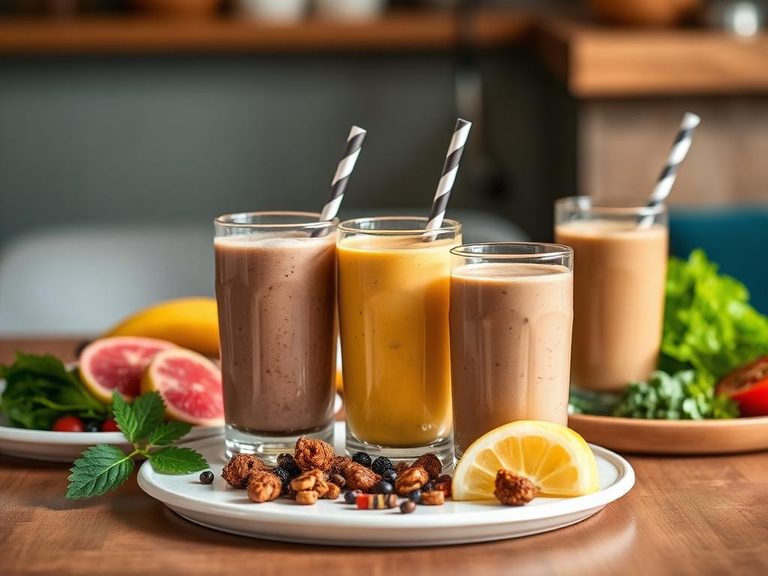
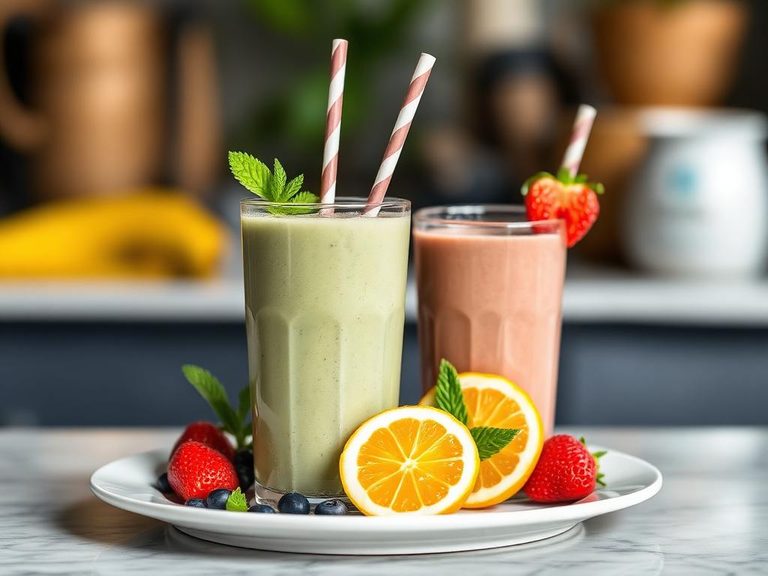
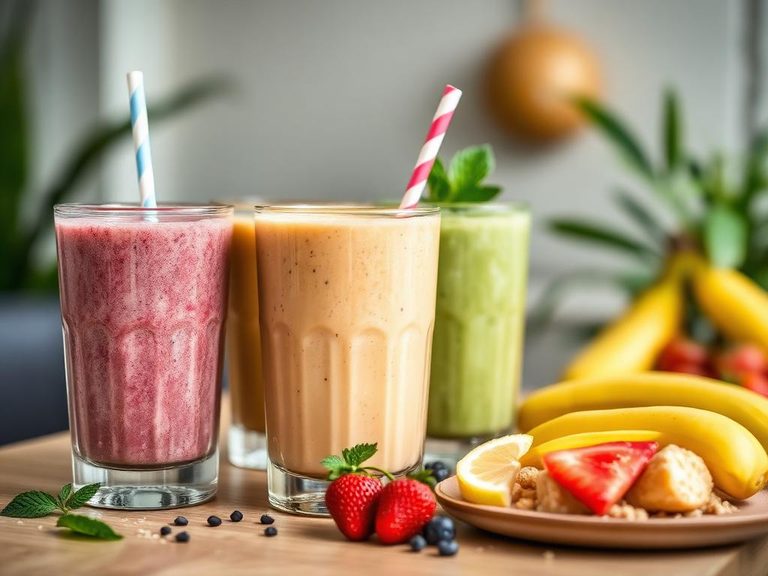
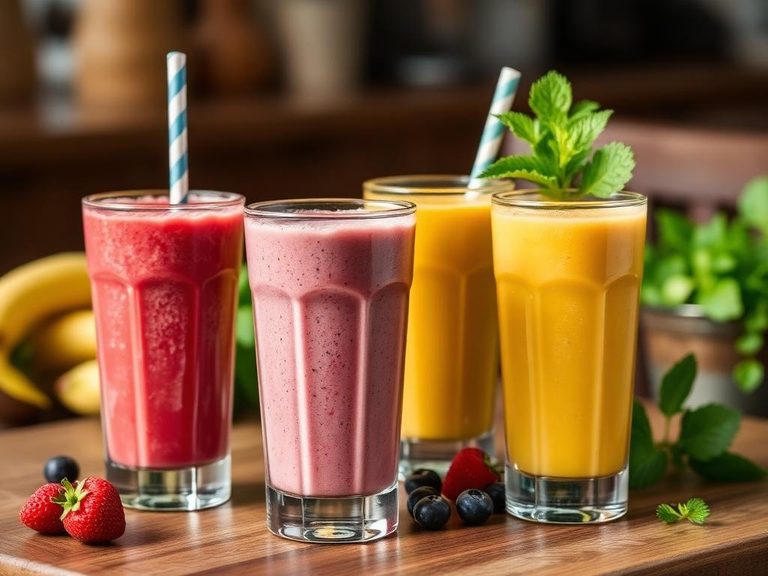
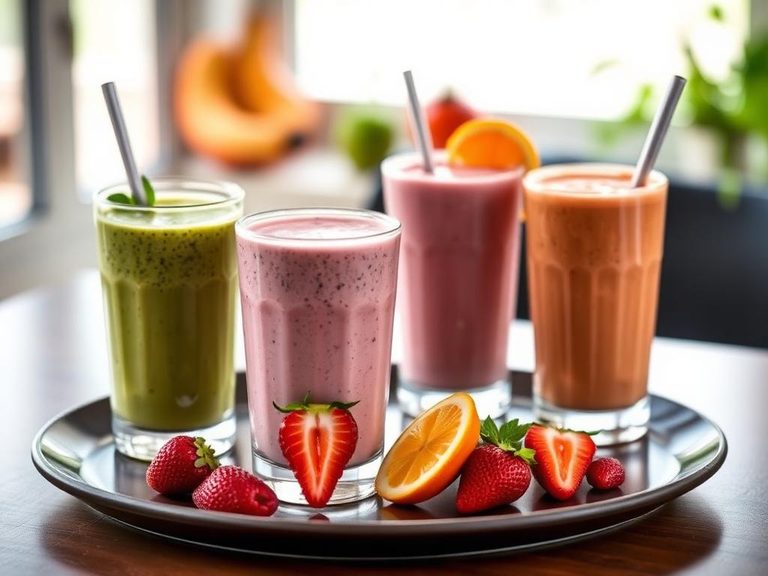
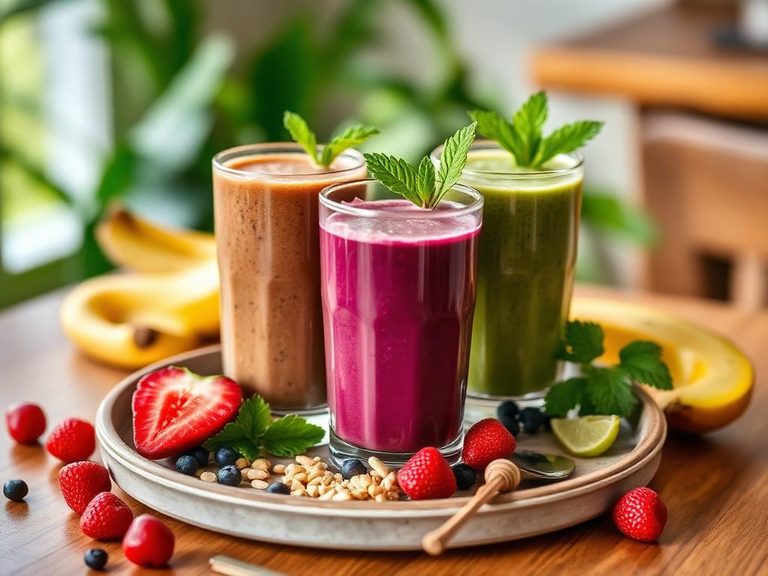
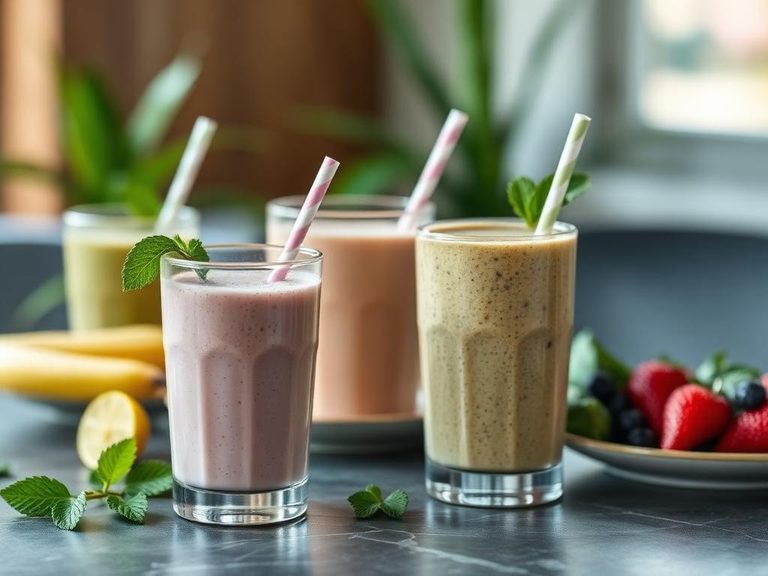
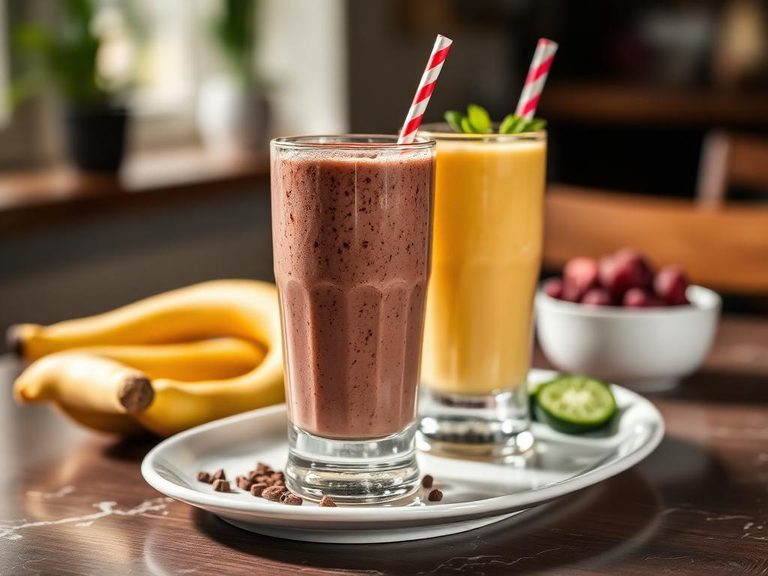
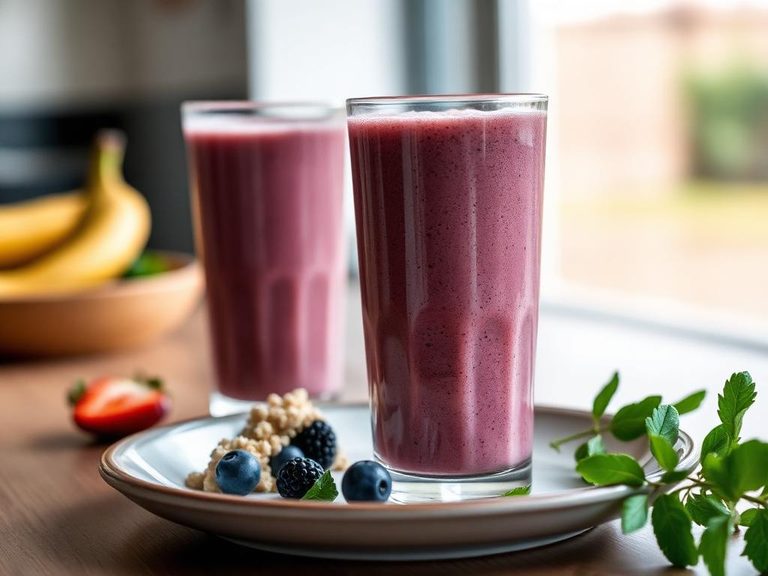
Protein smoothies and shakes are blended beverages typically made with a protein source like whey, casein, or plant-based powder, combined with liquids like milk or water, and often fruits, vegetables, or other add-ins. They originated in the fitness and bodybuilding communities of the mid-20th century as a convenient way to increase protein intake. Today, they are a popular global staple for post-workout recovery, meal replacement, or a quick nutritional boost.
🍽️ Nutrition at a glance
Protein smoothies and shakes are high in protein, which is their primary macronutrient, and can range from moderate to high in carbohydrates depending on added fruits or sweeteners. They are a good source of essential amino acids and can provide key nutrients like calcium, potassium, and B vitamins, with a typical serving ranging from 200 to 400 calories.
Nutrition breakdown
| Calories | 310 kcal |
| Protein | 30 g |
| Carbs | 35 g |
| Fat | 6 g |
| Fiber | 4 g |
| Sugar | 20 g |
| Sodium | 200 mg |
| Calcium | 250 mg |
| Potassium | 450 mg |
| Phosphorus | 200 mg |
| Magnesium | 60 mg |
| Vitamin D | 2.5 mcg |
| Vitamin B12 | 1.2 mcg |
| Vitamin C | 30 mg |
| Iron | 2 mg |
Per 1 serving (400 g) · estimated, varies by recipe
💡 What's interesting
Culturally, the protein shake evolved from a niche bodybuilding supplement into a mainstream health and convenience food, symbolizing modern wellness culture. Nutritionally, its unique aspect is the ability to deliver a highly bioavailable and customizable dose of protein, making it a practical tool for meeting specific dietary goals.