Smoothies & Protein Shakes
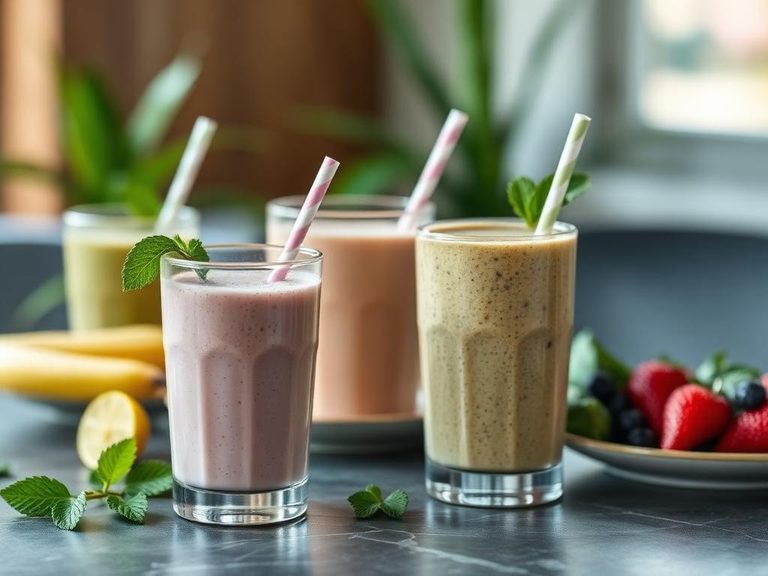
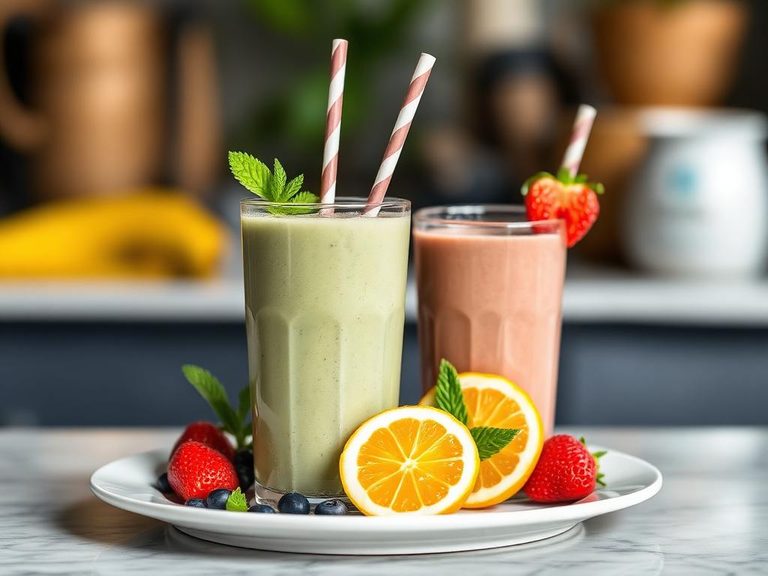
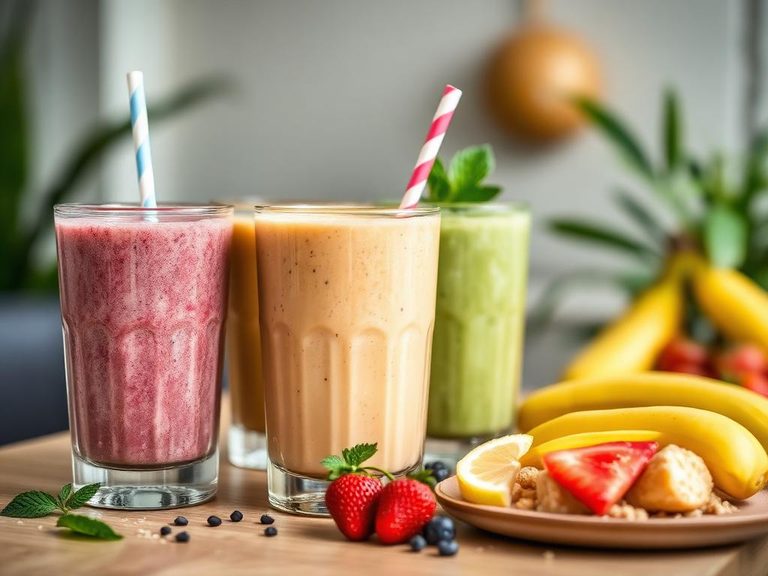
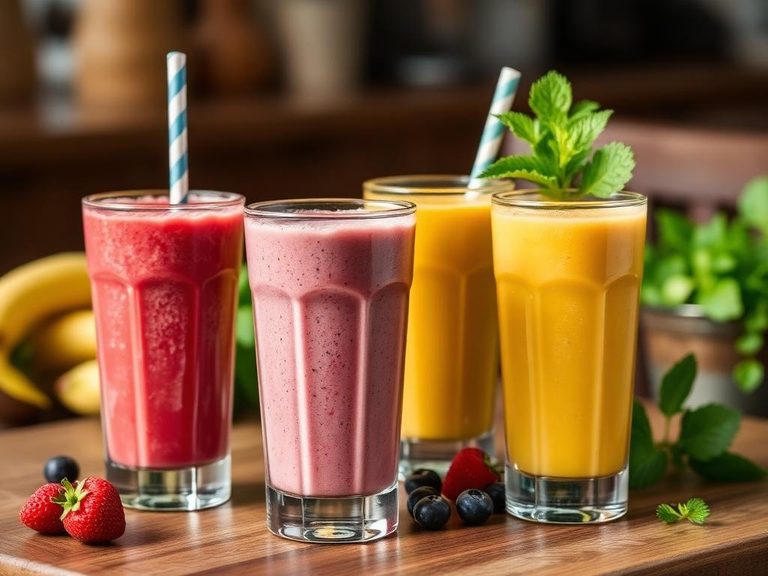
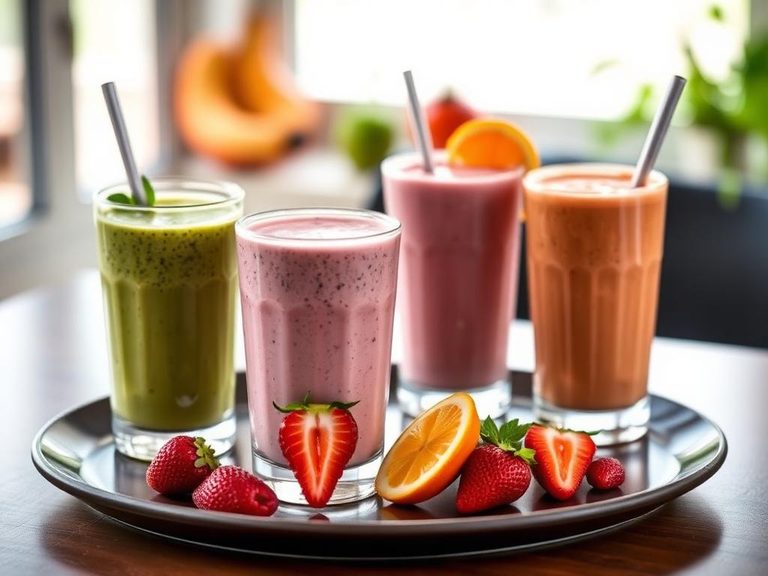
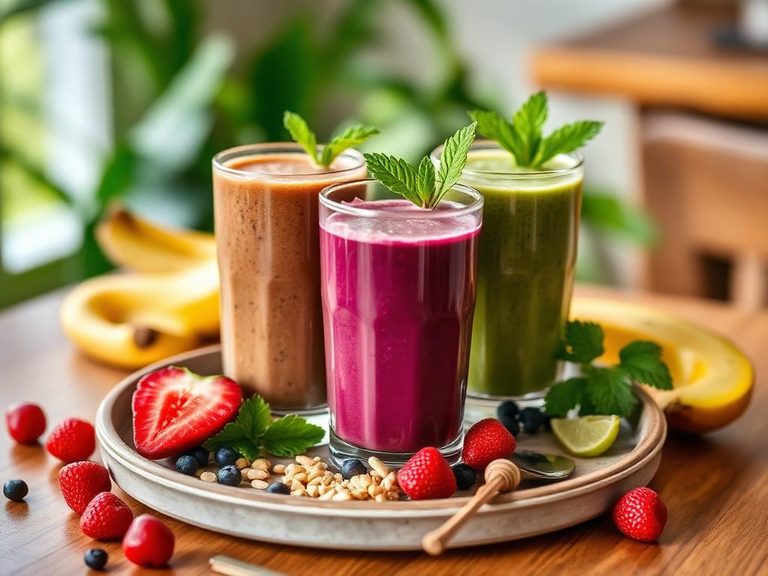
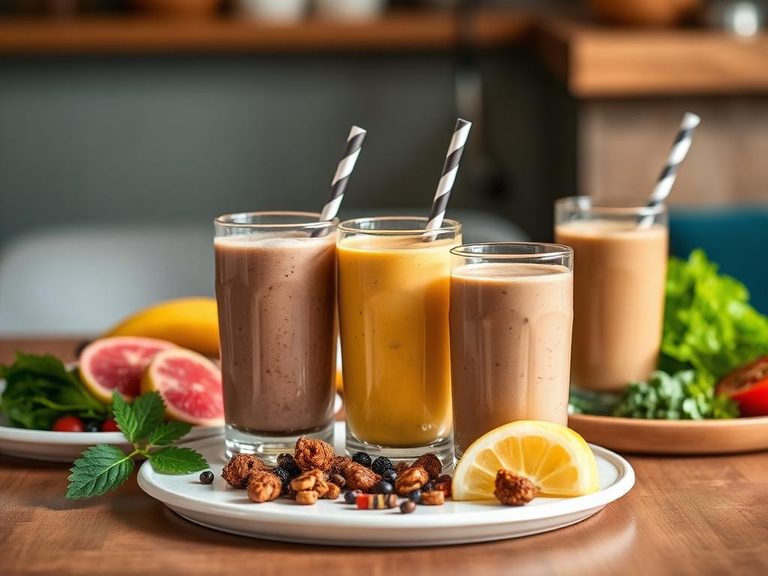
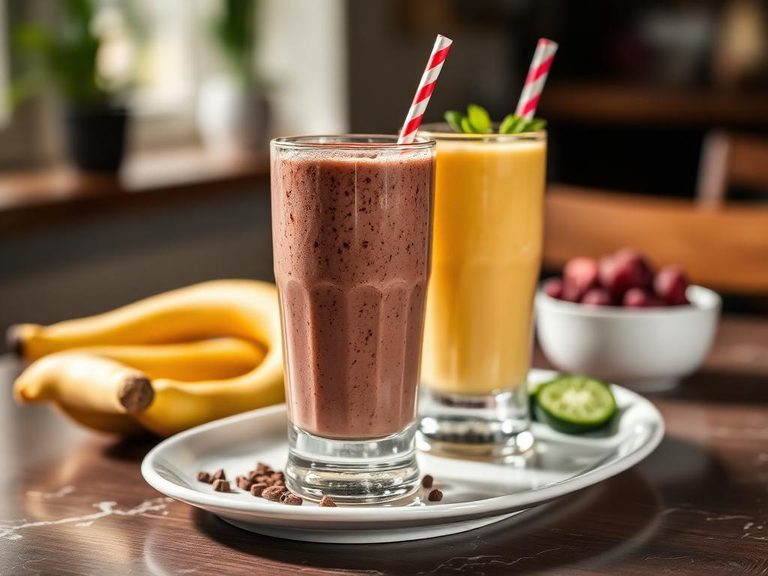
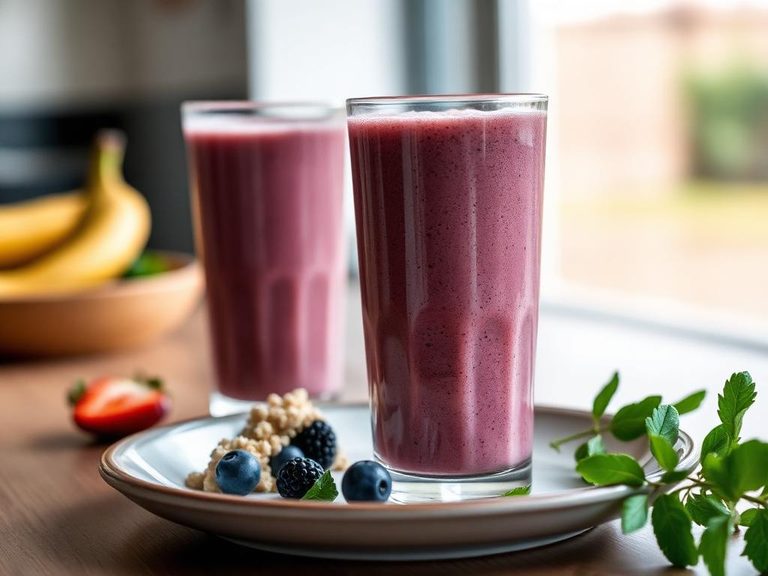
Smoothies and protein shakes are blended beverages typically made from a base of fruit, vegetables, dairy or plant-based milk, and often a protein source like yogurt, protein powder, or nut butter. They are a global phenomenon, with roots in health food movements but now a ubiquitous part of modern diets for quick meals or post-workout recovery.
🍽️ Nutrition at a glance
A typical smoothie or protein shake is often high in carbohydrates from fruit and added sugars, but can be balanced with significant protein and healthy fats depending on the recipe. It provides a concentrated source of vitamins, minerals, and fiber, with a calorie range that can vary widely from 150 to over 500 kcal per serving based on ingredients.
Nutrition breakdown
| Calories | 350 kcal |
| Protein | 25 g |
| Carbs | 45 g |
| Fat | 8 g |
| Fiber | 6 g |
| Sugar | 28 g |
| Sodium | 120 mg |
| Vitamin C | 45 mg |
| Calcium | 250 mg |
| Potassium | 500 mg |
| Magnesium | 60 mg |
| Vitamin A | 300 mcg |
| Iron | 2.5 mg |
| Vitamin K | 40 mcg |
| Phosphorus | 300 mg |
Per 1 large glass (450 g) · estimated, varies by recipe
💡 What's interesting
Culturally, smoothies represent a fusion of traditional fruit drinks from various regions (like Indian lassis or Caribbean fruit punches) with modern fitness and wellness trends. Nutritionally, they are unique in their ability to pack a large volume of whole foods into a single, easily consumable drink, making nutrient intake efficient.