Protein smoothies and shakes
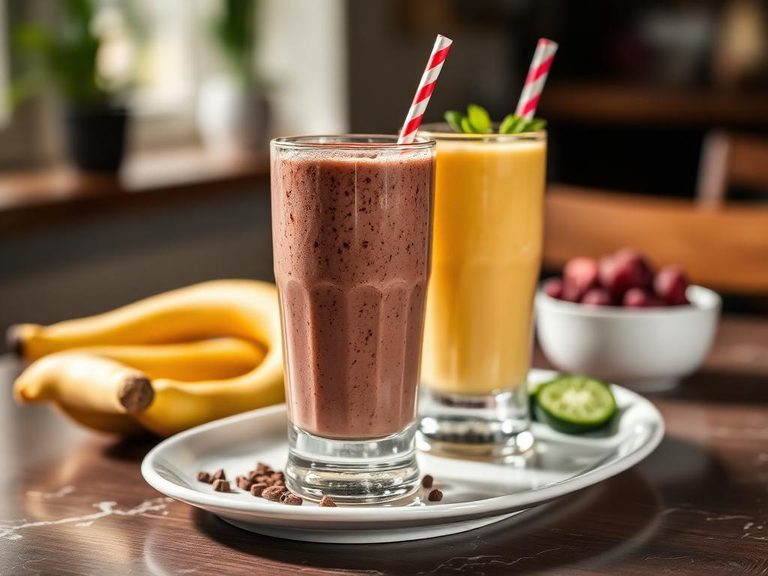
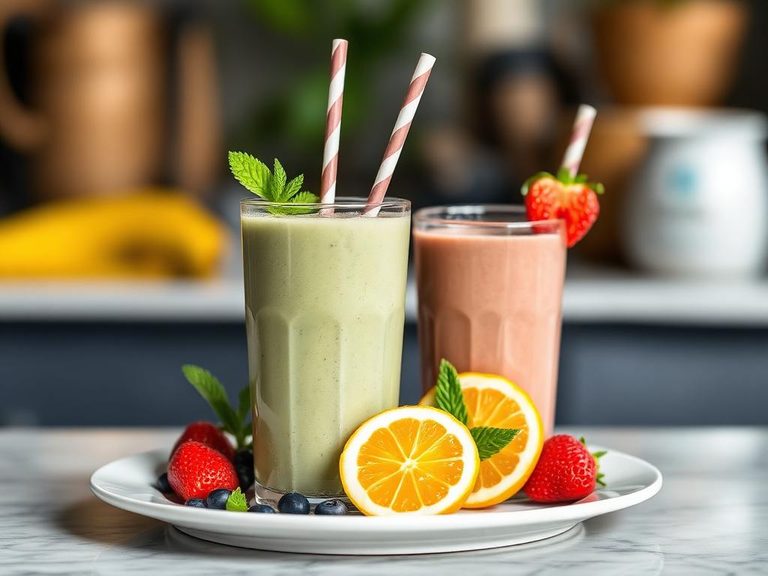
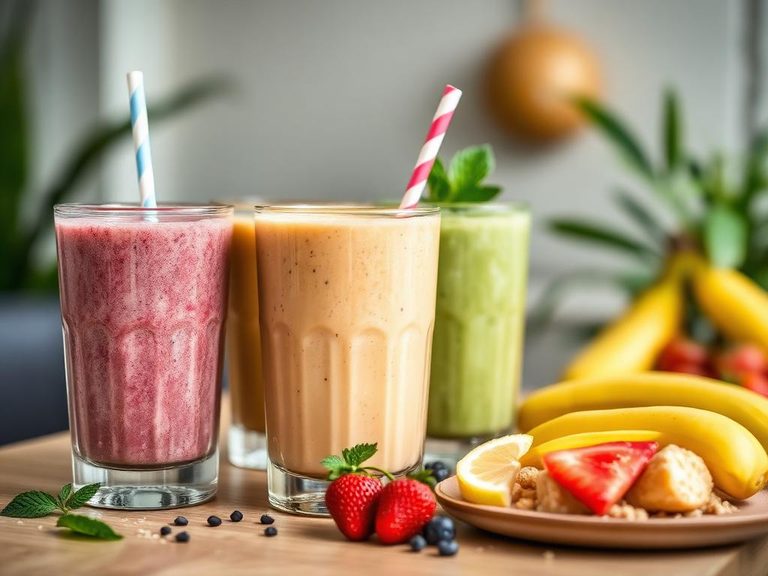
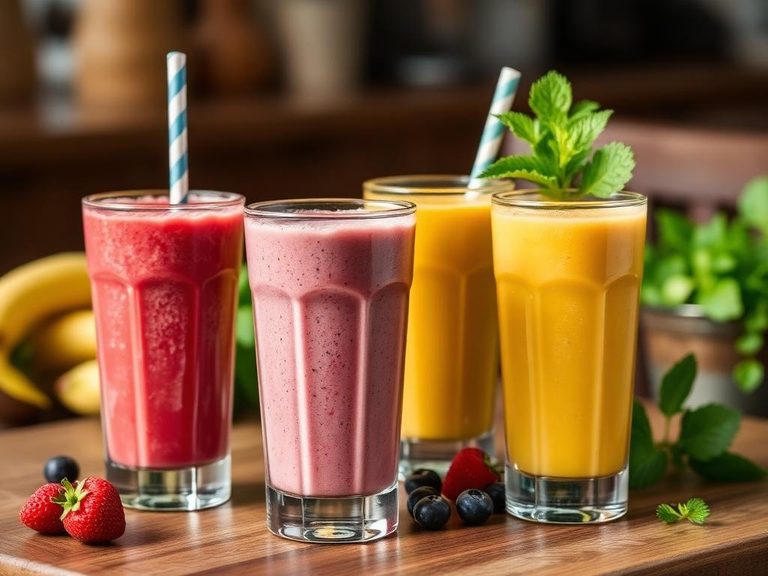
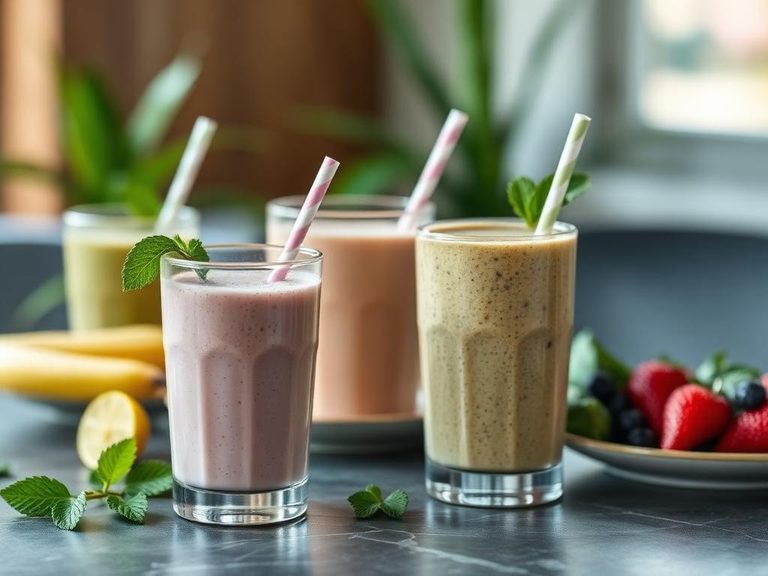
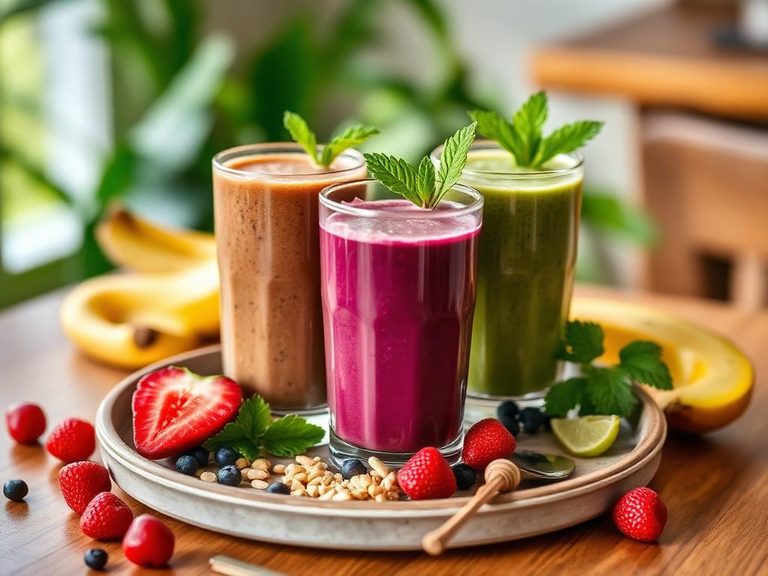
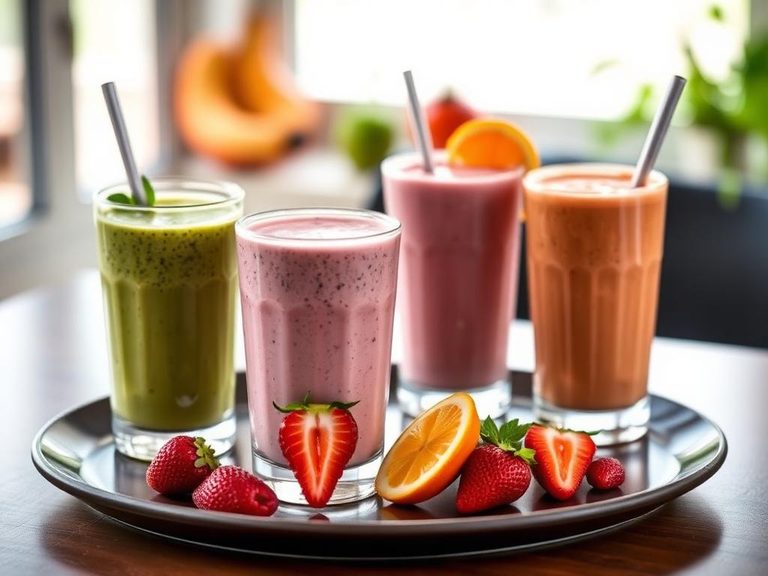
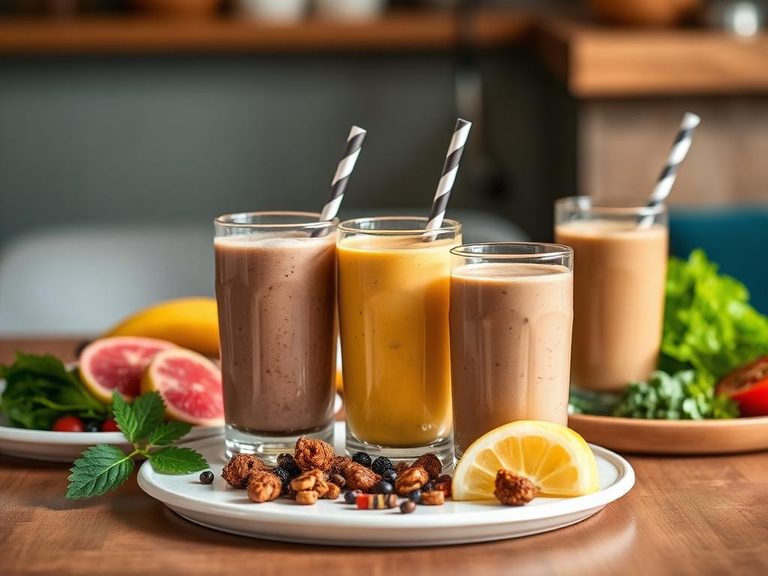
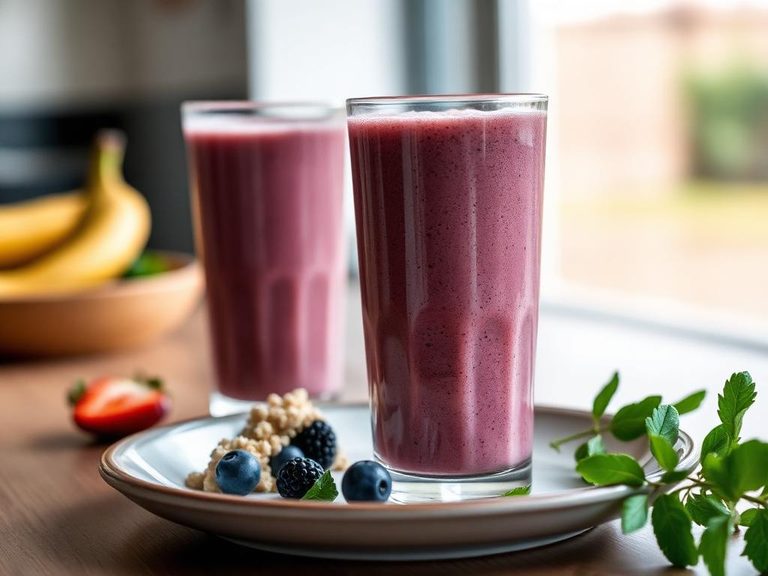
Protein smoothies and shakes are blended, drinkable meals or snacks typically made by combining a protein source (like whey, plant-based protein powder, Greek yogurt, or tofu) with liquid (such as milk, almond milk, or water) and often fruits, vegetables, or healthy fats. They are a modern, convenient nutritional staple originating from fitness and health-conscious cultures, particularly popular in the United States and globally.
🍽️ Nutrition at a glance
These drinks are primarily designed to be high in protein, making them excellent for muscle repair and satiety, while their carbohydrate and fat content can vary widely based on added ingredients like fruits, nut butters, or sweeteners. A typical serving provides a good dose of protein, along with key vitamins and minerals from whole food add-ins, and generally ranges from 200 to 500 calories.
Nutrition breakdown
| Calories | 350 kcal |
| Protein | 30 g |
| Carbs | 40 g |
| Fat | 8 g |
| Fiber | 5 g |
| Sugar | 25 g |
| Sodium | 200 mg |
| Calcium | 300 mg |
| Potassium | 500 mg |
| Magnesium | 60 mg |
| Iron | 3 mg |
| Vitamin B12 | 2.4 mcg |
| Vitamin D | 2.5 mcg |
| Phosphorus | 250 mg |
| Zinc | 2.5 mg |
Per 1 medium shake (450 g) · estimated, varies by recipe
💡 What's interesting
Culturally, they represent the fusion of nutrition science and convenience, becoming a symbol of the modern 'on-the-go' wellness lifestyle. Nutritionally, their unique versatility allows them to be tailored to specific dietary goals, from high-protein/low-carb for keto dieters to nutrient-dense, calorie-rich shakes for athletes or those needing supplemental nutrition.