Fortified Pasta & Noodles
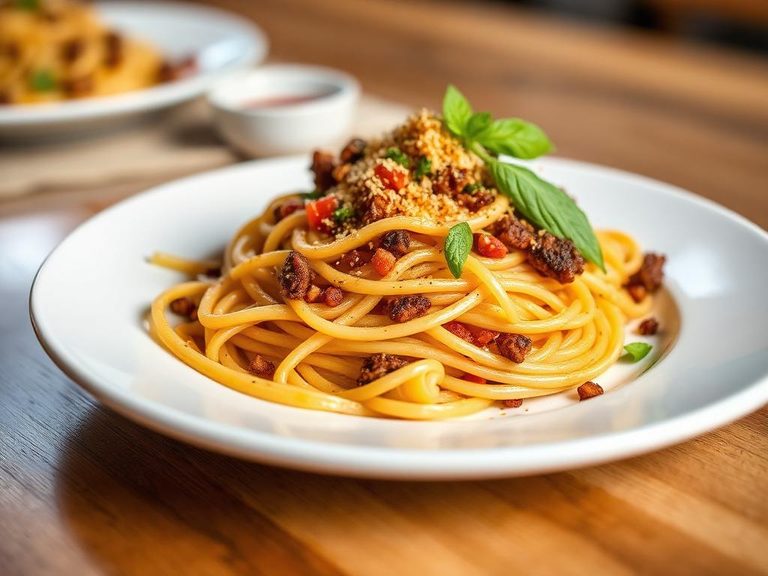
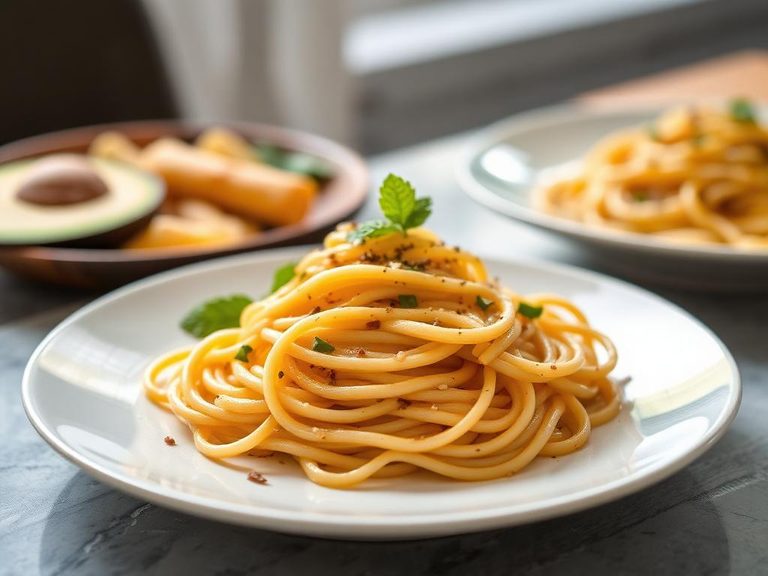
Fortified Pasta & Noodles are wheat-based pastas or noodles that have been enriched with additional vitamins and minerals, often including iron, B vitamins, and folic acid. They are a staple in many cuisines worldwide, from Italian spaghetti to Asian ramen, and are commonly found in both dried and fresh forms.
🍽️ Nutrition at a glance
This dish is typically high in carbohydrates, providing a good source of energy, and can be a moderate source of protein, especially if made with whole wheat or legume-based flours. A standard serving of fortified pasta or noodles generally contains around 200-250 calories.
Nutrition breakdown
| Calories | 220 kcal |
| Protein | 8 g |
| Carbs | 43 g |
| Fat | 1.5 g |
| Fiber | 2.5 g |
| Sugar | 2 g |
| Sodium | 5 mg |
| Iron | 2.5 mg |
| Folate | 150 mcg |
| Thiamin (B1) | 0.3 mg |
| Riboflavin (B2) | 0.2 mg |
| Niacin (B3) | 3 mg |
| Vitamin B6 | 0.1 mg |
| Potassium | 45 mg |
| Magnesium | 25 mg |
Per 1 cup cooked (140 g) · estimated, varies by recipe
💡 What's interesting
Fortification is a public health strategy to combat nutrient deficiencies, making these pastas a significant source of iron and folate in many diets. Nutritionally, they offer a convenient way to boost micronutrient intake, particularly in populations where dietary variety may be limited.