High-protein pasta and noodles
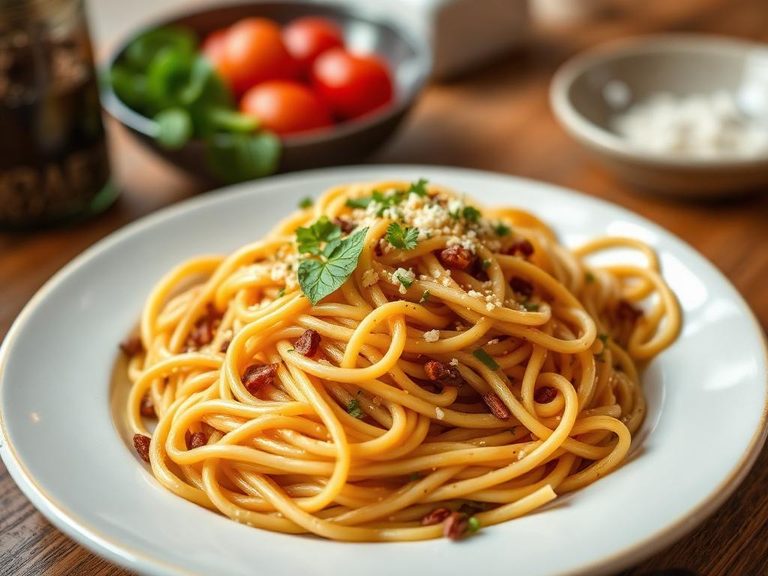
High-protein pasta and noodles are modern variations of traditional pasta, often made by incorporating protein-rich ingredients like legume flours (lentil, chickpea), egg whites, or other plant-based protein isolates. They are designed to offer a more balanced macronutrient profile while retaining the familiar texture and use of conventional pasta. This category of food has gained popularity globally, particularly in health-conscious markets in North America, Europe, and Asia.
🍽️ Nutrition at a glance
This dish is specifically engineered to be higher in protein and often lower in simple carbohydrates compared to traditional wheat pasta, providing a more sustained energy release. A typical serving is a good source of plant-based or animal-based protein and dietary fiber, with a calorie count that generally falls in the 200-300 kcal range per prepared serving.
Nutrition breakdown
| Calories | 220 kcal |
| Protein | 20 g |
| Carbs | 32 g |
| Fat | 2 g |
| Fiber | 6 g |
| Sugar | 3 g |
| Sodium | 15 mg |
| Iron | 4.5 mg |
| Folate | 180 mcg |
| Potassium | 400 mg |
| Magnesium | 60 mg |
| Phosphorus | 180 mg |
| Zinc | 2.5 mg |
| Thiamin (B1) | 0.3 mg |
| Manganese | 1.2 mg |
Per 1 cup cooked (140 g) · estimated, varies by recipe
💡 What's interesting
The rise of high-protein pasta reflects a significant food trend where traditional staple foods are re-engineered to meet modern dietary goals, like muscle maintenance and satiety. Nutritionally, it's a clever way to increase protein intake without adding large amounts of meat, making it a versatile option for vegetarians, athletes, and anyone looking to balance their meals.