High-Protein Pancakes
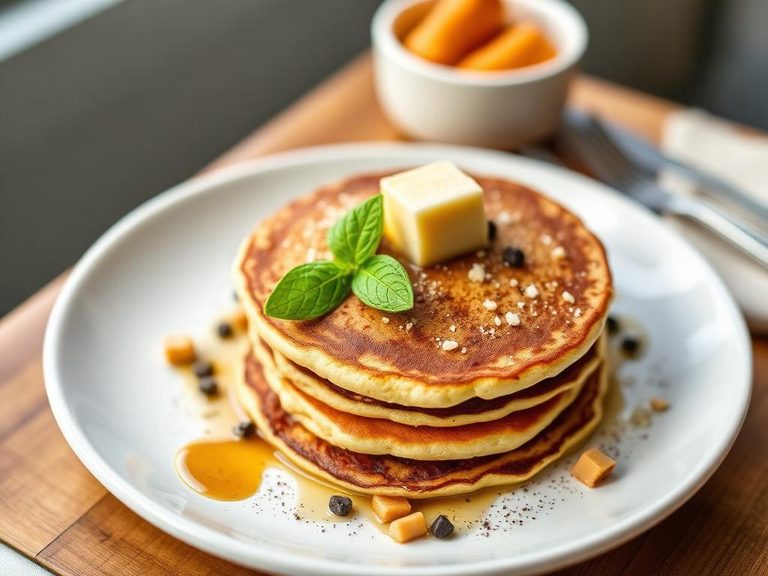
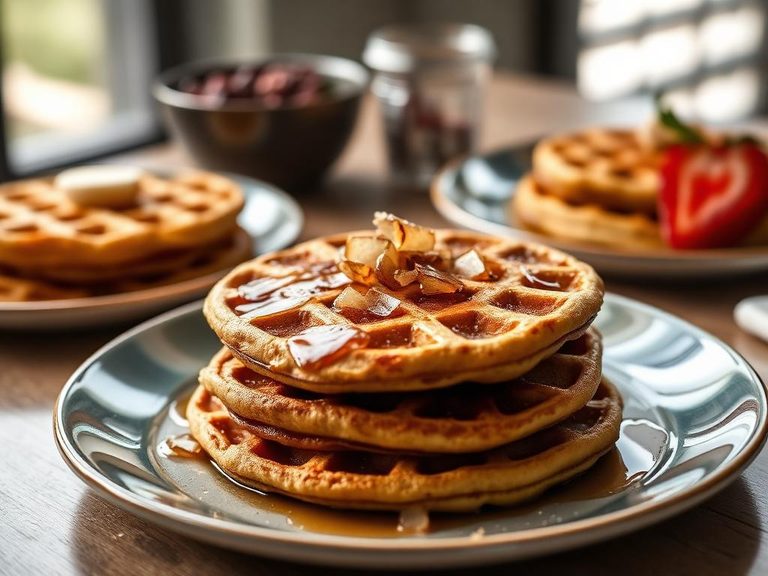
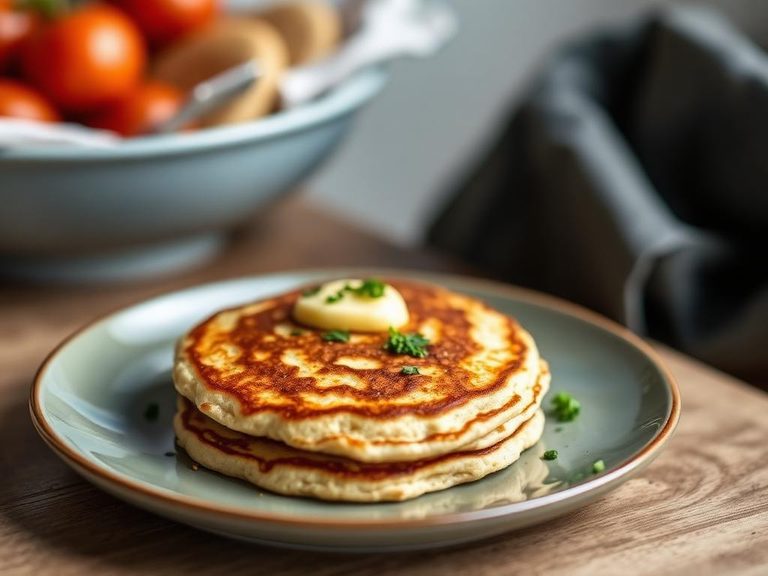
High-protein pancakes are a modern, fitness-oriented twist on the classic breakfast staple, designed to boost protein intake. They typically substitute traditional flour with protein-rich ingredients like whey or casein protein powder, cottage cheese, Greek yogurt, or egg whites, often alongside oats or almond flour. This dish has become a staple in health and fitness communities worldwide, particularly popular in North America and Europe.
🍽️ Nutrition at a glance
This dish is intentionally high in protein while often being lower in carbohydrates and fat compared to traditional pancakes, depending on the recipe. It provides a substantial amount of muscle-building protein, along with key nutrients like calcium (if using dairy) and B vitamins, with a typical serving ranging from 250 to 400 calories.
Nutrition breakdown
| Calories | 310 kcal |
| Protein | 32 g |
| Carbs | 28 g |
| Fat | 8 g |
| Fiber | 4 g |
| Sugar | 6 g |
| Sodium | 420 mg |
| Calcium | 250 mg |
| Phosphorus | 380 mg |
| Potassium | 320 mg |
| Iron | 2.5 mg |
| Vitamin B12 | 1.2 mcg |
| Riboflavin (B2) | 0.4 mg |
| Selenium | 18 mcg |
| Choline | 85 mg |
Per 2 medium pancakes (approx. 150 g) · estimated, varies by recipe
💡 What's interesting
Nutritionally, it's a clever way to turn a typically carb-heavy comfort food into a functional meal that supports muscle recovery and satiety. Culturally, its rise is directly tied to the global growth of fitness culture and social media, where visually appealing, macro-friendly recipes are widely shared.