

Cottage cheese, full fat, large or small curd
Whole food · Dairy and Egg Products
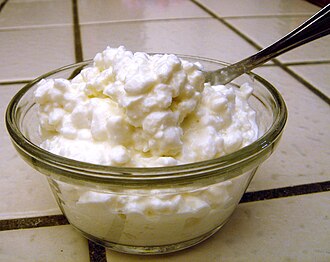
Photo: Wikipedia
Full-fat cottage cheese is a soft, lumpy fresh cheese made from curdled milk, offering a rich, creamy texture and a mild, tangy flavor. With a robust 11.6g of protein per 100g, it's a powerhouse for satiety and muscle repair, while its moderate fat content provides a satisfying mouthfeel. It's a versatile staple that can be enjoyed sweet or savory, making it a beloved choice for both quick snacks and elaborate dishes.
Calorie split: 45% protein · 18% carbs · 37% fat
↓ Full nutrition💚 Why it's loved
People love cottage cheese for its unique, satisfying texture that's both creamy and curdy, and its mild flavor that acts as a blank canvas for both sweet and savory toppings. It's a cultural staple in many diets, from American breakfasts to European salads, cherished for its simplicity and nutritional punch.
⚠️ Watch-outs & how to enjoy it better
Some find the lumpy texture unappealing or its tanginess too strong. For those watching sodium intake, some brands can be high in salt, and as a dairy product, it's a common allergen. To counteract high sodium, look for low-sodium varieties or rinse the curds; for lactose sensitivity, choose lactose-free versions or consume in small portions with a meal.
Key benefits
- High in complete protein for muscle maintenance and satiety
- Rich in calcium for bone health
- Contains phosphorus, supporting energy metabolism
- Good source of B vitamins like B12 and riboflavin
- Low in carbohydrates, suitable for low-carb diets
🍽️ Popular dishes
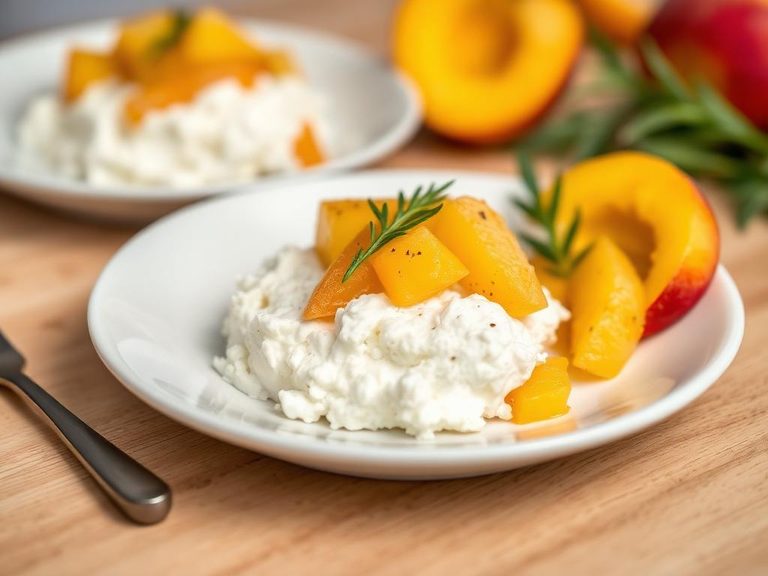
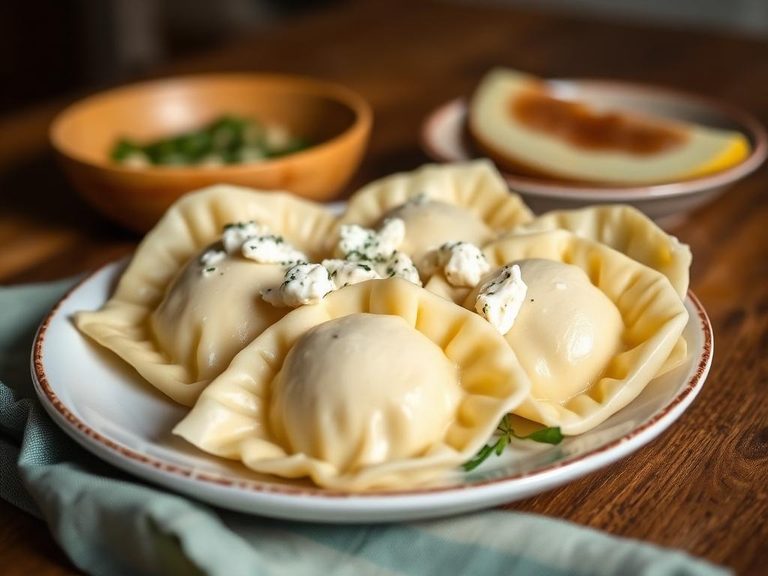
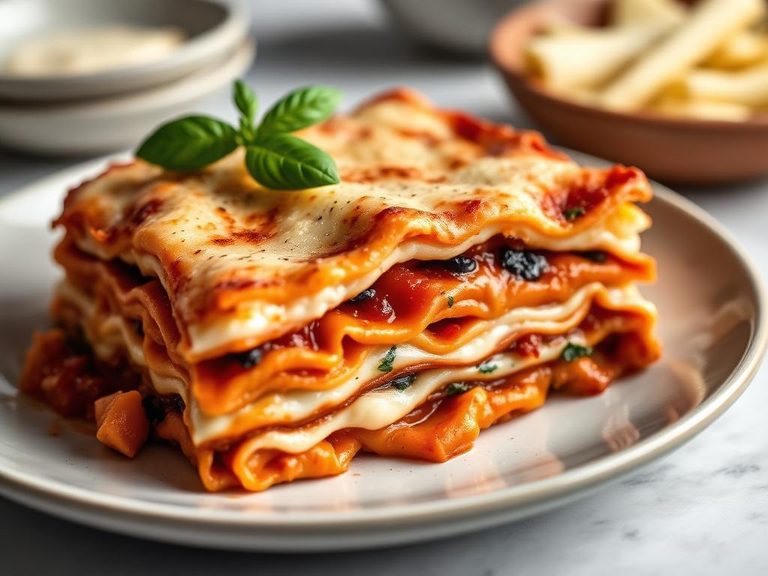
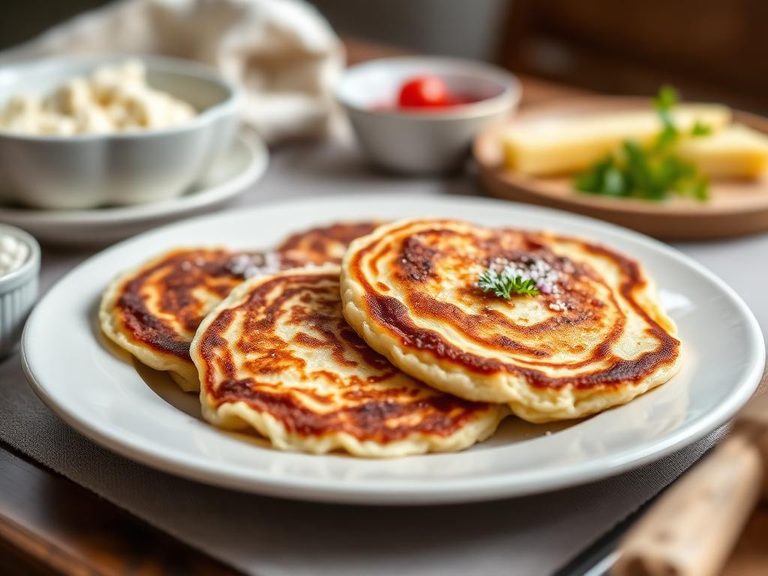
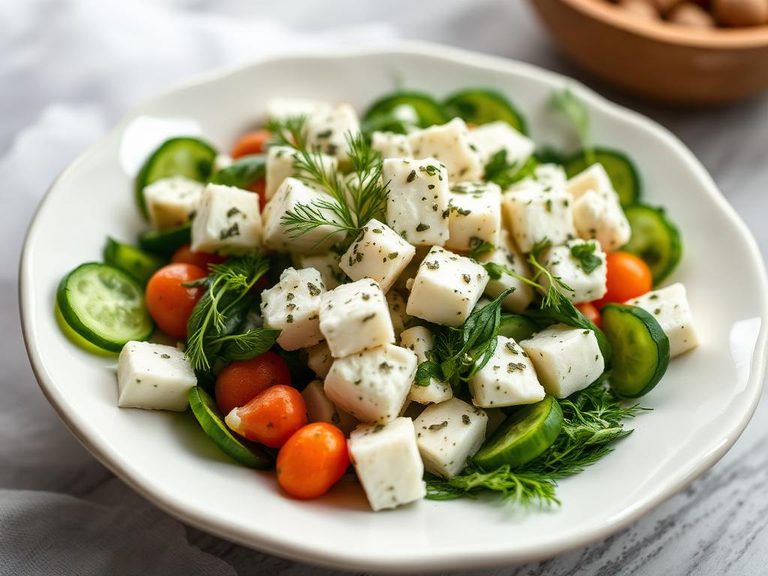

🌍 Where it's eaten
💡 Did you know?
Cottage cheese is not actually 'cottage' cheese in its origin; the name likely came from American settlers who made it in simple cottages, but the style of fresh cheese dates back to ancient times and is similar to Indian paneer or Middle Eastern labneh.
Full nutrition (USDA data · scales with serving)
| Water | 78.1 g |
| Energy (Atwater General Factors) | 103 kcal |
| Energy (Atwater Specific Factors) | 105 kcal |
| Nitrogen | 1.8 g |
| Protein | 11.6 g |
| Total lipid (fat) | 4.2 g |
| Ash | 1.5 g |
| Carbohydrate, by difference | 4.6 g |
| Calcium, Ca | 88.3 mg |
| Iron, Fe | 0.00 mg |
| Magnesium, Mg | 9.2 mg |
| Phosphorus, P | 154 mg |
| Potassium, K | 124 mg |
| Sodium, Na | 350 mg |
| Zinc, Zn | 0.45 mg |
| Copper, Cu | 0.00 mg |
| Manganese, Mn | 0.00 mg |
| Iodine, I | 45.7 ug |
| Thiamin | 0.05 mg |
| Niacin | 0.14 mg |
| Vitamin B-6 | 0.05 mg |
| Biotin | 2.3 ug |
| Vitamin B-12 | 0.66 ug |
| Retinol | 36.5 ug |
| Vitamin K (phylloquinone) | 0.20 ug |
| Vitamin K (Dihydrophylloquinone) | 0.00 ug |
| Vitamin K (Menaquinone-4) | 1.3 ug |
Fat & fatty acid profile (per 100g)
| Fatty acids, total saturated | 2.6 g |
| SFA 12:0 | 0.14 g |
| SFA 14:0 | 0.42 g |
| SFA 16:0 | 1.2 g |
| SFA 18:0 | 0.38 g |
| Fatty acids, total monounsaturated | 0.92 g |
| PUFA 18:2 n-6 c,c | 0.10 g |
| Cholesterol | 18.0 mg |
Amino acid profile (per 100g)
Estimated from Cheese, cottage, lowfat, 1% milkfat — USDA does not publish this profile for Cottage cheese.
| Tryptophan | 0.14 g |
| Threonine | 0.55 g |
| Isoleucine | 0.73 g |
| Leucine | 1.3 g |
| Lysine | 1.0 g |
| Methionine | 0.37 g |
| Cystine | 0.12 g |
| Phenylalanine | 0.67 g |
| Tyrosine | 0.66 g |
| Valine | 0.77 g |
| Arginine | 0.56 g |
| Histidine | 0.41 g |
| Alanine | 0.64 g |
| Aspartic acid | 0.84 g |
| Glutamic acid | 2.7 g |
| Glycine | 0.27 g |
| Proline | 1.4 g |
| Serine | 0.69 g |
FAQ
Is cottage cheese good for weight loss?
Yes, its high protein content promotes satiety, helping you feel full longer, which can aid in weight management when part of a balanced diet.
Can I eat cottage cheese if I'm lactose intolerant?
Some people with lactose intolerance can tolerate cottage cheese because the fermentation process reduces lactose content, but it's best to try a small amount or choose a lactose-free version.
How should I store cottage cheese?
Keep it refrigerated in its original container, tightly sealed, and consume within a week after opening for optimal freshness and safety.
Nutrient density (calculated · NRF9.3)
Nutrient Rich Foods index: beneficial nutrients (protein, fiber, vitamins, minerals) minus saturated fat, added sugar & sodium, per 100 kcal.
NRF9.3 index — Fulgoni, Keast & Drewnowski, 2009. Computed from USDA nutrients.
Weight-loss friendliness (composite index)
Energy density 1.03 kcal/g · 45% calories from protein · 0.0 g fiber · 0.0 g sugar per 100 g.
Composite of energy density (Rolls et al., 1999), protein & fiber satiety, minus sugar. A calculated heuristic — ranks satiety-per-calorie, not a clinical measure.
Dietary load (calculated from USDA values)
Potential renal acid load. Positive = acid-forming, negative = alkaline-forming.
Sodium-to-potassium ratio: 2.83 (lower is better — aim for ≤ 1)
Sodium:potassium per WHO potassium guidance. Computed from USDA nutrients.