Commercial protein bars and supplements
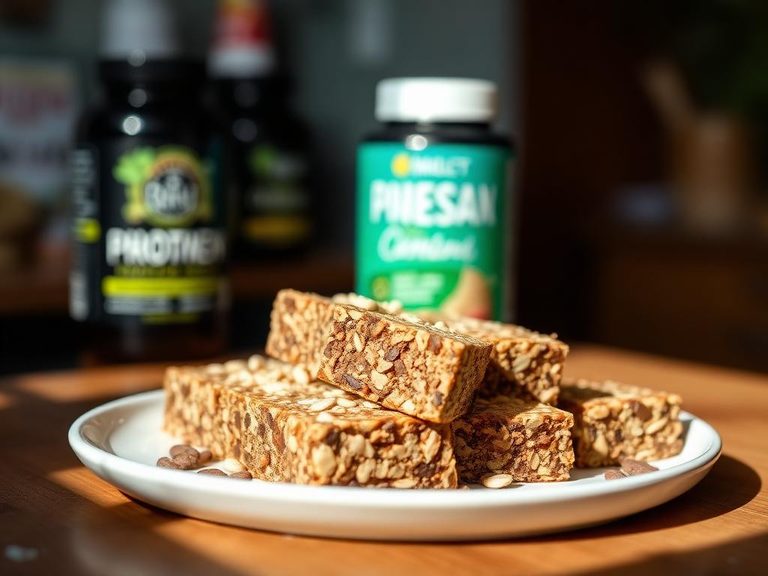
Commercial protein bars and supplements are convenient, pre-packaged snacks designed to provide a concentrated source of protein, often marketed for fitness, meal replacement, or on-the-go nutrition. They typically feature protein isolates (like whey, soy, or pea) as the primary ingredient, combined with sweeteners, binders, and flavorings. Originating from the sports nutrition industry, they are now ubiquitous in mainstream grocery stores and pharmacies worldwide.
🍽️ Nutrition at a glance
These products are engineered to be high in protein, with a moderate to high carbohydrate content (often from added sugars or sugar alcohols) and variable fat levels. A single bar typically provides 20-30 grams of protein and falls in the 200-300 calorie range, serving as a significant source of this macronutrient.
Nutrition breakdown
| Calories | 240 kcal |
| Protein | 20 g |
| Carbs | 28 g |
| Fat | 8 g |
| Fiber | 2 g |
| Sugar | 10 g |
| Sodium | 200 mg |
| Calcium | 200 mg |
| Iron | 4 mg |
| Potassium | 150 mg |
| Vitamin B12 | 2.4 mcg |
| Phosphorus | 150 mg |
| Magnesium | 40 mg |
| Zinc | 3 mg |
| Sodium | 200 mg |
Per 1 bar (60 g) · estimated, varies by recipe
💡 What's interesting
Their cultural uniqueness lies in their evolution from niche athletic fuel to a mainstream lifestyle product, embodying the modern pursuit of convenience and optimized nutrition. Nutritionally, they often rely on processed protein isolates and a complex list of additives to achieve their macro targets and shelf stability.