

Cream substitute, flavored, liquid
Whole food · Dairy and Egg Products

Photo: Wikipedia
This is a smooth, pourable liquid designed to mimic the richness of dairy cream, often with a sweet, vanilla-like or caramelized flavor profile. Its texture is silky and light, designed to dissolve seamlessly into hot beverages or blend into cold desserts. Nutritionally, it is a concentrated source of carbohydrates and fat, providing a quick energy boost with minimal protein.
Calorie split: 1% protein · 53% carbs · 46% fat
↓ Full nutrition💚 Why it's loved
People love it for its ability to instantly transform a bitter coffee into a creamy, sweet treat and for its role in creating decadent, no-bake desserts. Its long shelf life and predictable performance make it a reliable pantry staple for both home cooks and food service.
⚠️ Watch-outs & how to enjoy it better
The high sugar and fat content can contribute to blood-sugar spikes and empty calories if consumed in large quantities. Some formulations may contain hydrogenated oils (trans fats) or artificial flavors. To counteract this, use it sparingly as a flavor enhancer rather than a primary ingredient, and pair it with a source of protein or fiber (like nuts or whole-grain toast) to slow sugar absorption.
Key benefits
- Provides a dairy-free alternative for those with lactose intolerance or milk allergies.
- Offers a consistent, shelf-stable texture that won't curdle in hot coffee or tea.
- Enhances the mouthfeel and perceived richness of beverages and desserts.
- Often fortified with vitamins like D and B12 in some formulations.
- Convenient and requires no refrigeration before opening.
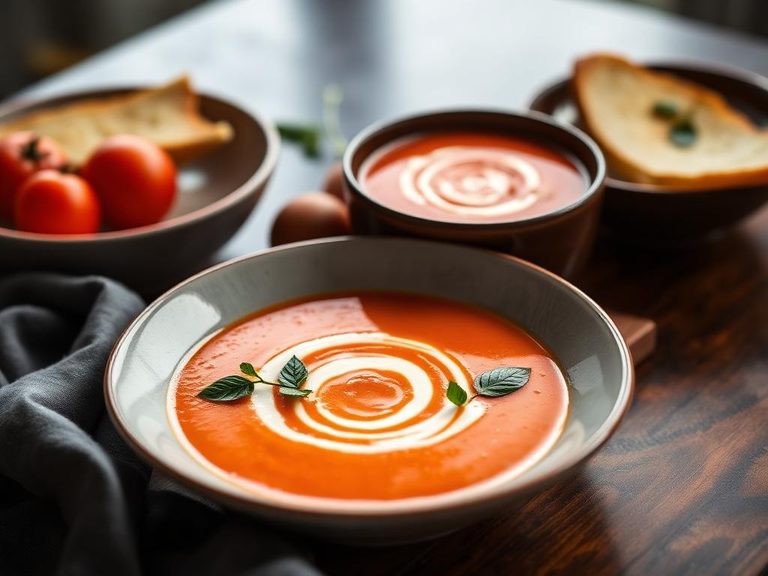
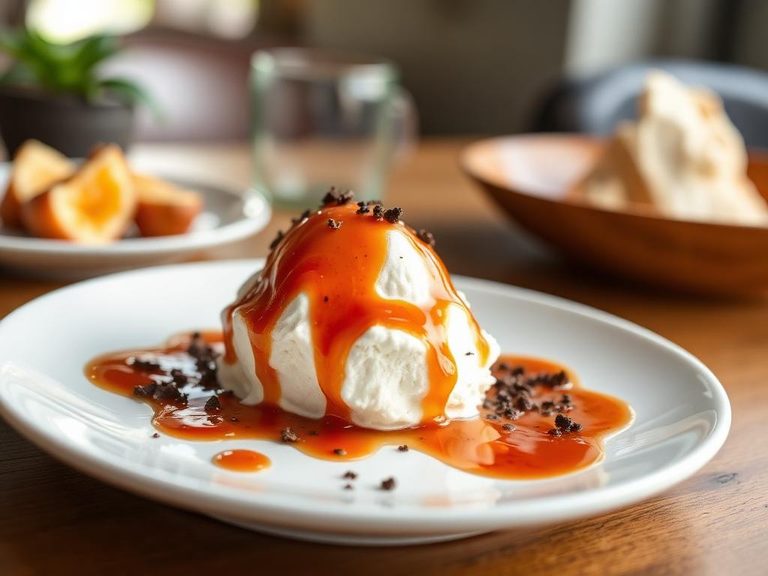
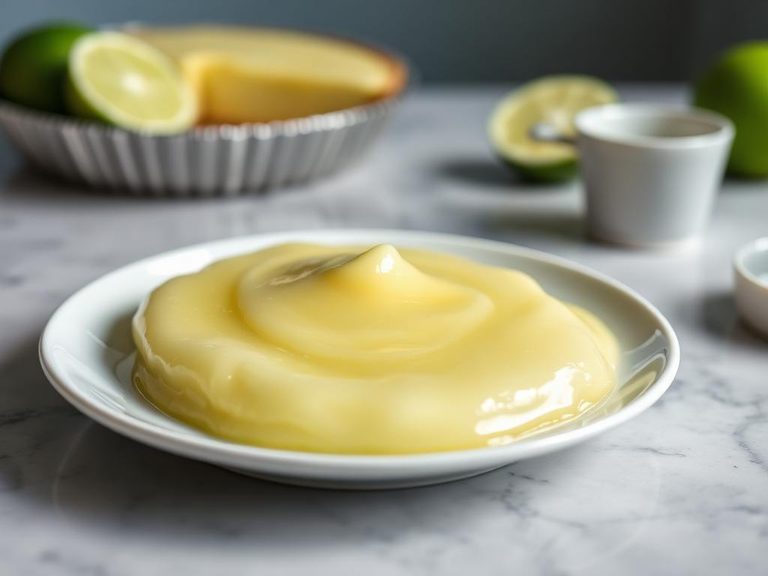
🍽️ Popular dishes



🌍 Where it's eaten
💡 Did you know?
The first commercial non-dairy creamer, 'Coffee-mate,' was introduced by Nestlé in 1961 and was originally made from a combination of vegetable oil, corn syrup, and casein (a milk derivative), making it not truly dairy-free.
Full nutrition (USDA data · scales with serving)
| Water | 50.1 g |
| Energy | 251 kcal |
| Energy | 1049 kj |
| Protein | 0.69 g |
| Total lipid (fat) | 13.5 g |
| Ash | 0.55 g |
| Carbohydrate, by difference | 35.1 g |
| Fiber, total dietary | 1.1 g |
| Total Sugars | 33.0 g |
| Calcium, Ca | 6.0 mg |
| Iron, Fe | 0.59 mg |
| Magnesium, Mg | 19.0 mg |
| Phosphorus, P | 28.0 mg |
| Potassium, K | 96.0 mg |
| Sodium, Na | 67.0 mg |
| Zinc, Zn | 0.25 mg |
| Copper, Cu | 0.14 mg |
| Manganese, Mn | 0.14 mg |
| Selenium, Se | 0.70 ug |
| Fluoride, F | 35.9 ug |
| Vitamin C, total ascorbic acid | 0.00 mg |
| Thiamin | 0.00 mg |
| Riboflavin | 0.02 mg |
| Niacin | 0.09 mg |
| Pantothenic acid | 0.01 mg |
| Vitamin B-6 | 0.00 mg |
| Folate, total | 1.0 ug |
| Folic acid | 0.00 ug |
| Folate, food | 1.0 ug |
| Folate, DFE | 1.0 ug |
| Choline, total | 0.50 mg |
| Betaine | 0.00 mg |
| Vitamin B-12 | 0.00 ug |
| Vitamin B-12, added | 0.00 ug |
| Vitamin A, RAE | 0.00 ug |
| Retinol | 0.00 ug |
| Carotene, beta | 0.00 ug |
| Carotene, alpha | 0.00 ug |
| Cryptoxanthin, beta | 0.00 ug |
| Vitamin A, IU | 0.00 iu |
| Lycopene | 0.00 ug |
| Lutein + zeaxanthin | 1.0 ug |
| Vitamin E (alpha-tocopherol) | 1.6 mg |
| Vitamin E, added | 0.00 mg |
| Vitamin D (D2 + D3), International Units | 0.00 iu |
| Vitamin D (D2 + D3) | 0.00 ug |
| Vitamin D3 (cholecalciferol) | 0.00 ug |
| Vitamin K (phylloquinone) | 3.3 ug |
| Alcohol, ethyl | 0.00 g |
| Caffeine | 3.0 mg |
| Theobromine | 100 mg |
Fat & fatty acid profile (per 100g)
| Fatty acids, total saturated | 2.6 g |
| SFA 4:0 | 0.00 g |
| SFA 6:0 | 0.00 g |
| SFA 8:0 | 0.00 g |
| SFA 10:0 | 0.00 g |
| SFA 12:0 | 0.00 g |
| SFA 14:0 | 0.04 g |
| SFA 16:0 | 2.0 g |
| SFA 18:0 | 0.64 g |
| Fatty acids, total monounsaturated | 4.0 g |
| MUFA 16:1 | 0.03 g |
| MUFA 18:1 | 4.0 g |
| MUFA 20:1 | 0.00 g |
| MUFA 22:1 | 0.00 g |
| Fatty acids, total polyunsaturated | 6.3 g |
| PUFA 18:2 | 5.9 g |
| PUFA 18:3 | 0.36 g |
| PUFA 18:4 | 0.00 g |
| PUFA 20:4 | 0.00 g |
| PUFA 20:5 n-3 (EPA) | 0.00 g |
| PUFA 22:5 n-3 (DPA) | 0.00 g |
| PUFA 22:6 n-3 (DHA) | 0.00 g |
| Cholesterol | 0.00 mg |
| Phytosterols | 20.0 mg |
Amino acid profile (per 100g)
| Tryptophan | 0.01 g |
| Threonine | 0.03 g |
| Isoleucine | 0.03 g |
| Leucine | 0.04 g |
| Lysine | 0.03 g |
| Methionine | 0.01 g |
| Cystine | 0.01 g |
| Phenylalanine | 0.03 g |
| Tyrosine | 0.03 g |
| Valine | 0.04 g |
| Arginine | 0.04 g |
| Histidine | 0.01 g |
| Alanine | 0.03 g |
| Aspartic acid | 0.07 g |
| Glutamic acid | 0.10 g |
| Glycine | 0.03 g |
| Proline | 0.03 g |
| Serine | 0.03 g |
FAQ
Is liquid cream substitute the same as evaporated milk?
No. Evaporated milk is a real dairy product with milk proteins and no added sugar, while liquid cream substitute is typically a non-dairy, sweetened emulsion of vegetable oil, sugar, and thickeners.
Can I use it in cooking and baking like heavy cream?
It can be used in some recipes for flavor and color, but it lacks the milkfat and proteins needed for whipping, thickening sauces, or providing the same richness in baked goods. It may also curdle or separate under high heat.
Why does my coffee sometimes get a weird texture with this creamer?
This can happen if the creamer's emulsion breaks due to the acidity or extreme heat of the coffee. Using a fresh, well-shaken product and avoiding boiling liquids can help maintain a smooth texture.
Nutrient density (calculated · NRF9.3)
Nutrient Rich Foods index: beneficial nutrients (protein, fiber, vitamins, minerals) minus saturated fat, added sugar & sodium, per 100 kcal.
NRF9.3 index — Fulgoni, Keast & Drewnowski, 2009. Computed from USDA nutrients.
Weight-loss friendliness (composite index)
Energy density 2.51 kcal/g · 1% calories from protein · 1.1 g fiber · 33.0 g sugar per 100 g.
Composite of energy density (Rolls et al., 1999), protein & fiber satiety, minus sugar. A calculated heuristic — ranks satiety-per-calorie, not a clinical measure.
Dietary load (calculated from USDA values)
Potential renal acid load. Positive = acid-forming, negative = alkaline-forming.
Sodium-to-potassium ratio: 0.70 (lower is better — aim for ≤ 1)
Sodium:potassium per WHO potassium guidance. Computed from USDA nutrients.