

Chicken, broilers or fryers, breast, meat only, cooked, stewed
Whole food · Poultry Products
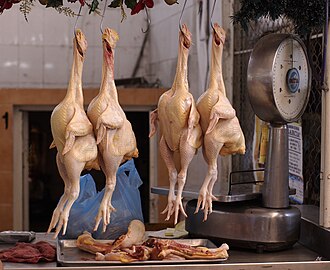
Photo: Wikipedia
Stewed chicken breast is a lean, tender protein source where slow, moist heat transforms the meat into a succulent, easily shredded texture. With an impressive 28.98g of protein and virtually zero fat or carbs per 100g, it serves as a foundational, high-protein building block for countless savory dishes. Its neutral, mild flavor profile makes it exceptionally versatile, readily absorbing the rich spices and aromatics of any stew or braise it’s cooked in.
Calorie split: 81% protein · 0% carbs · 19% fat
↓ Full nutrition💚 Why it's loved
People love it for its incredible versatility and comfort-food appeal; it’s the ultimate canvas for global flavors, from a spicy West African peanut stew to a classic American chicken and dumplings. The slow-cooking method yields a tender, shred-able texture that feels both nourishing and satisfying without being heavy.
⚠️ Watch-outs & how to enjoy it better
The primary downside is its potential for dryness if overcooked, as the lean breast meat lacks intramuscular fat. To counteract this, always cook it gently in a flavorful liquid (like broth with aromatics) and consider adding a small amount of fat (like a tablespoon of olive oil) to the stew to improve mouthfeel and nutrient absorption.
Key benefits
- Exceptionally high in lean protein for muscle maintenance and satiety.
- Very low in fat and carbohydrates, making it ideal for weight management diets.
- Provides essential B vitamins like niacin and B6 for energy metabolism.
- A versatile, mild-flavored base that absorbs surrounding seasonings well.
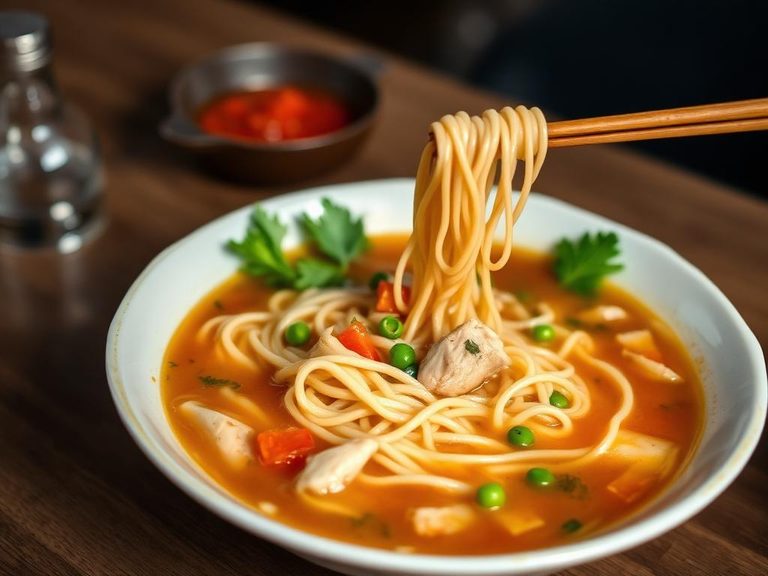
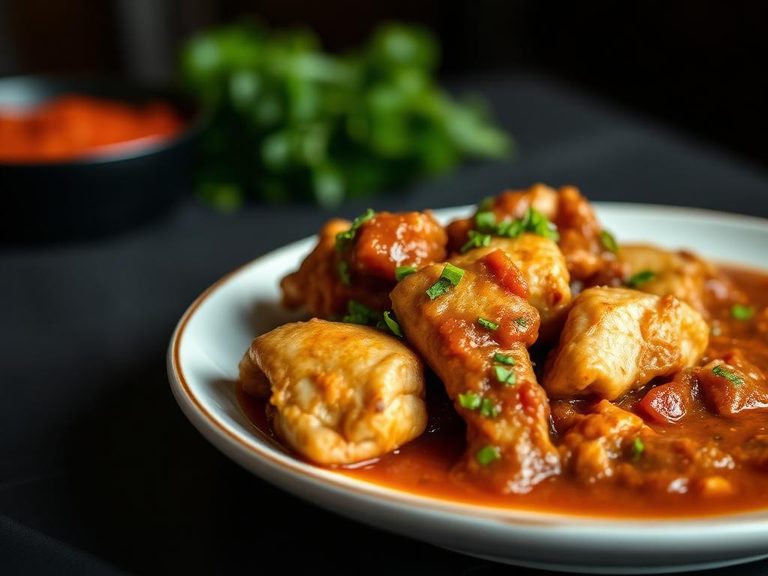
🍽️ Popular dishes
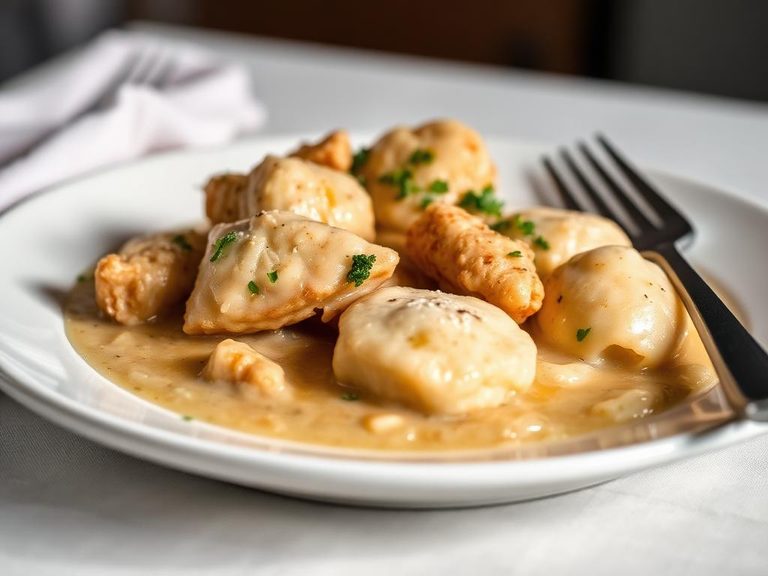
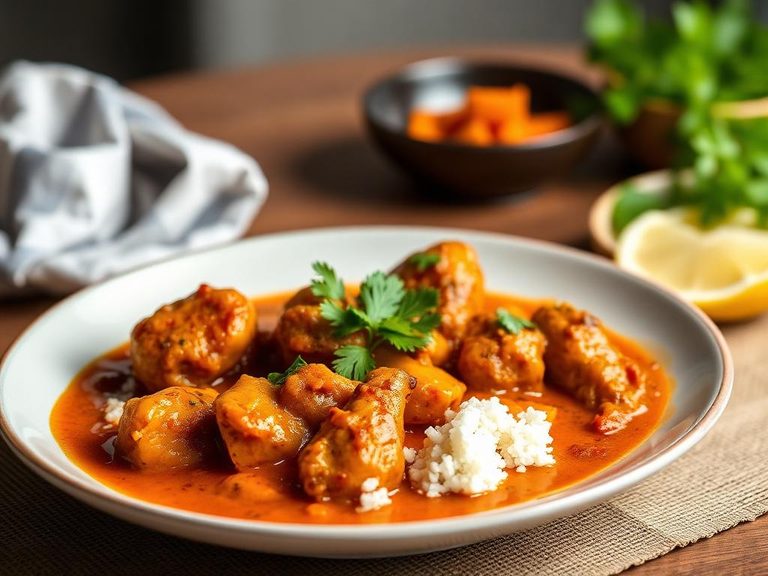
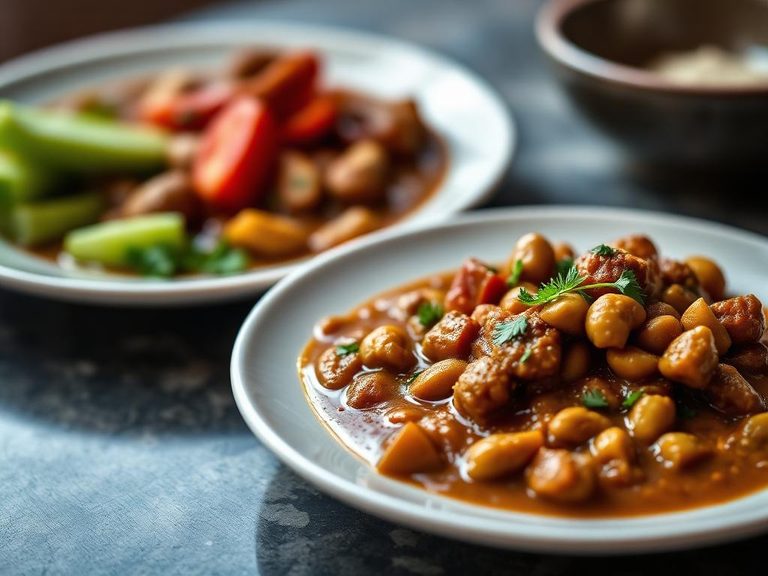
🌍 Where it's eaten
💡 Did you know?
The term 'broiler' refers to a chicken raised specifically for its meat, typically slaughtered at a young age (around 7 weeks) for optimal tenderness, while 'fryer' is a similar term often used interchangeably in the US poultry industry.
Full nutrition (USDA data · scales with serving)
| Water | 68.3 g |
| Energy | 151 kcal |
| Energy | 632 kj |
| Protein | 29.0 g |
| Total lipid (fat) | 3.0 g |
| Ash | 0.91 g |
| Carbohydrate, by difference | 0.00 g |
| Fiber, total dietary | 0.00 g |
| Total Sugars | 0.00 g |
| Calcium, Ca | 13.0 mg |
| Iron, Fe | 0.88 mg |
| Magnesium, Mg | 24.0 mg |
| Phosphorus, P | 165 mg |
| Potassium, K | 187 mg |
| Sodium, Na | 63.0 mg |
| Zinc, Zn | 0.97 mg |
| Copper, Cu | 0.04 mg |
| Manganese, Mn | 0.02 mg |
| Selenium, Se | 22.3 ug |
| Vitamin C, total ascorbic acid | 0.00 mg |
| Thiamin | 0.04 mg |
| Riboflavin | 0.12 mg |
| Niacin | 8.5 mg |
| Pantothenic acid | 0.57 mg |
| Vitamin B-6 | 0.33 mg |
| Folate, total | 3.0 ug |
| Folic acid | 0.00 ug |
| Folate, food | 3.0 ug |
| Folate, DFE | 3.0 ug |
| Choline, total | 78.5 mg |
| Betaine | 5.7 mg |
| Vitamin B-12 | 0.23 ug |
| Vitamin B-12, added | 0.00 ug |
| Vitamin A, RAE | 6.0 ug |
| Retinol | 6.0 ug |
| Carotene, beta | 0.00 ug |
| Carotene, alpha | 0.00 ug |
| Cryptoxanthin, beta | 0.00 ug |
| Vitamin A, IU | 19.0 iu |
| Lycopene | 0.00 ug |
| Lutein + zeaxanthin | 0.00 ug |
| Vitamin E (alpha-tocopherol) | 0.27 mg |
| Vitamin E, added | 0.00 mg |
| Vitamin D (D2 + D3), International Units | 5.0 iu |
| Vitamin D (D2 + D3) | 0.10 ug |
| Vitamin D3 (cholecalciferol) | 0.10 ug |
| Vitamin K (phylloquinone) | 0.20 ug |
| Alcohol, ethyl | 0.00 g |
| Caffeine | 0.00 mg |
| Theobromine | 0.00 mg |
Fat & fatty acid profile (per 100g)
| Fatty acids, total saturated | 0.85 g |
| SFA 4:0 | 0.00 g |
| SFA 6:0 | 0.00 g |
| SFA 8:0 | 0.00 g |
| SFA 10:0 | 0.00 g |
| SFA 12:0 | 0.01 g |
| SFA 14:0 | 0.03 g |
| SFA 16:0 | 0.58 g |
| SFA 18:0 | 0.21 g |
| Fatty acids, total monounsaturated | 1.0 g |
| MUFA 16:1 | 0.12 g |
| MUFA 18:1 | 0.87 g |
| MUFA 20:1 | 0.02 g |
| MUFA 22:1 | 0.00 g |
| Fatty acids, total polyunsaturated | 0.66 g |
| PUFA 18:2 | 0.50 g |
| PUFA 18:3 | 0.02 g |
| PUFA 18:4 | 0.00 g |
| PUFA 20:4 | 0.05 g |
| PUFA 20:5 n-3 (EPA) | 0.01 g |
| PUFA 22:5 n-3 (DPA) | 0.01 g |
| PUFA 22:6 n-3 (DHA) | 0.02 g |
| Cholesterol | 77.0 mg |
Amino acid profile (per 100g)
| Tryptophan | 0.34 g |
| Threonine | 1.2 g |
| Isoleucine | 1.5 g |
| Leucine | 2.2 g |
| Lysine | 2.5 g |
| Methionine | 0.80 g |
| Cystine | 0.37 g |
| Phenylalanine | 1.1 g |
| Tyrosine | 0.98 g |
| Valine | 1.4 g |
| Arginine | 1.7 g |
| Histidine | 0.90 g |
| Alanine | 1.6 g |
| Aspartic acid | 2.6 g |
| Glutamic acid | 4.3 g |
| Glycine | 1.4 g |
| Proline | 1.2 g |
| Serine | 1.00 g |
FAQ
How does stewed chicken breast differ from roasted or grilled?
Stewing uses moist, low heat in liquid, resulting in a tender, shred-able texture that absorbs flavors from the broth. Roasting or grilling uses dry heat, creating a firmer texture with a browned, flavorful exterior.
Is stewed chicken breast healthy?
Yes, it's an excellent source of lean protein and is very low in fat and carbs. The healthiness of the overall dish depends on the cooking liquid and added ingredients (e.g., sodium in broth, added fats).
How can I prevent stewed chicken breast from becoming dry?
Cook it at a gentle simmer, not a rolling boil, and ensure it's fully submerged in liquid. Don't overcook it; check for doneness when the internal temperature reaches 165°F (74°C).
Nutrient density (calculated · NRF9.3)
Nutrient Rich Foods index: beneficial nutrients (protein, fiber, vitamins, minerals) minus saturated fat, added sugar & sodium, per 100 kcal.
NRF9.3 index — Fulgoni, Keast & Drewnowski, 2009. Computed from USDA nutrients.
Weight-loss friendliness (composite index)
Energy density 1.51 kcal/g · 77% calories from protein · 0.0 g fiber · 0.0 g sugar per 100 g.
Composite of energy density (Rolls et al., 1999), protein & fiber satiety, minus sugar. A calculated heuristic — ranks satiety-per-calorie, not a clinical measure.
Dietary load (calculated from USDA values)
Potential renal acid load. Positive = acid-forming, negative = alkaline-forming.
Sodium-to-potassium ratio: 0.34 (lower is better — aim for ≤ 1)
Sodium:potassium per WHO potassium guidance. Computed from USDA nutrients.