

Cheese, goat, soft type
Whole food · Dairy and Egg Products

Photo: Wikipedia
This is a fresh, unripened cheese made from goat's milk, known for its bright white color, creamy, spreadable texture, and a tangy, slightly earthy flavor. Nutritionally, it's a powerhouse of protein and healthy fats, providing a substantial, satiating snack with virtually no carbohydrates.
Calorie split: 28% protein · 0% carbs · 72% fat
↓ Full nutrition💚 Why it's loved
People adore its distinct, clean tang and velvety texture that melts beautifully on warm bread or salads. It's cherished for its versatility, serving as a luxurious spread, a tangy salad topping, or a base for both sweet and savory dishes.
⚠️ Watch-outs & how to enjoy it better
The strong, goaty flavor can be polarizing for those accustomed only to mild cow's milk cheeses. As a dairy product, it's a common allergen, and its high fat content means portion control is key for calorie-conscious diets. To balance the richness, pair it with fiber-rich vegetables, whole-grain crackers, or a piece of fruit.
Key benefits
- High in satiating protein (18.5g per 100g)
- Rich in calcium and phosphorus for bone health
- Contains beneficial probiotics from fermentation
- Naturally lower in lactose than many cow's milk cheeses
- Provides conjugated linoleic acid (CLA), a beneficial fatty acid
🍽️ Popular dishes
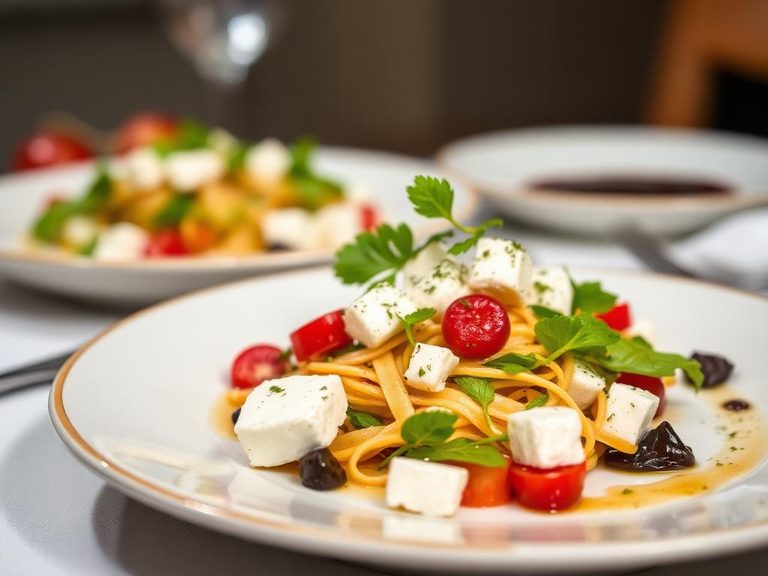

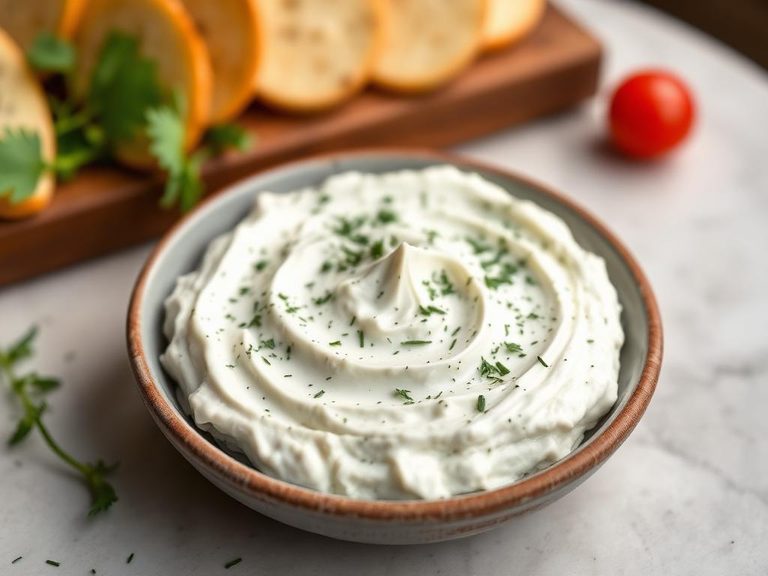
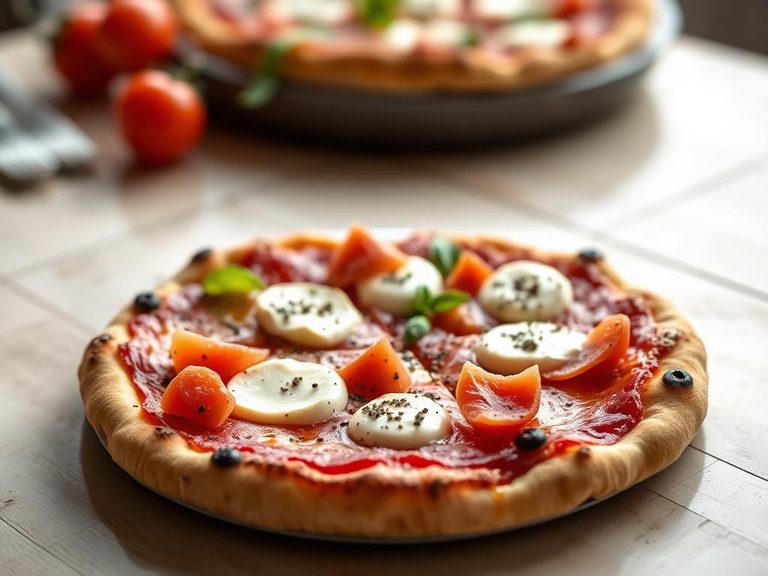

🌍 Where it's eaten
💡 Did you know?
The distinctive 'goaty' flavor comes from specific fatty acids like caproic, caprylic, and capric acid, which are named after the Latin word for goat, *capra*.
Full nutrition (USDA data · scales with serving)
| Water | 60.8 g |
| Energy | 264 kcal |
| Energy | 1106 kj |
| Protein | 18.5 g |
| Total lipid (fat) | 21.1 g |
| Ash | 1.6 g |
| Carbohydrate, by difference | 0.00 g |
| Fiber, total dietary | 0.00 g |
| Total Sugars | 0.00 g |
| Calcium, Ca | 140 mg |
| Iron, Fe | 1.9 mg |
| Magnesium, Mg | 16.0 mg |
| Phosphorus, P | 256 mg |
| Potassium, K | 26.0 mg |
| Sodium, Na | 459 mg |
| Zinc, Zn | 0.92 mg |
| Copper, Cu | 0.73 mg |
| Manganese, Mn | 0.10 mg |
| Selenium, Se | 2.8 ug |
| Vitamin C, total ascorbic acid | 0.00 mg |
| Thiamin | 0.07 mg |
| Riboflavin | 0.38 mg |
| Niacin | 0.43 mg |
| Pantothenic acid | 0.68 mg |
| Vitamin B-6 | 0.25 mg |
| Folate, total | 12.0 ug |
| Folic acid | 0.00 ug |
| Folate, food | 12.0 ug |
| Folate, DFE | 12.0 ug |
| Choline, total | 15.4 mg |
| Vitamin B-12 | 0.19 ug |
| Vitamin B-12, added | 0.00 ug |
| Vitamin A, RAE | 288 ug |
| Retinol | 283 ug |
| Carotene, beta | 54.0 ug |
| Carotene, alpha | 0.00 ug |
| Cryptoxanthin, beta | 0.00 ug |
| Vitamin A, IU | 1033 iu |
| Lycopene | 0.00 ug |
| Lutein + zeaxanthin | 0.00 ug |
| Vitamin E (alpha-tocopherol) | 0.18 mg |
| Vitamin E, added | 0.00 mg |
| Vitamin D (D2 + D3), International Units | 15.0 iu |
| Vitamin D (D2 + D3) | 0.40 ug |
| Vitamin D3 (cholecalciferol) | 0.40 ug |
| Vitamin K (phylloquinone) | 1.8 ug |
| Alcohol, ethyl | 0.00 g |
| Caffeine | 0.00 mg |
| Theobromine | 0.00 mg |
Fat & fatty acid profile (per 100g)
| Fatty acids, total saturated | 14.6 g |
| SFA 4:0 | 1.1 g |
| SFA 6:0 | 0.46 g |
| SFA 8:0 | 0.57 g |
| SFA 10:0 | 2.0 g |
| SFA 12:0 | 0.93 g |
| SFA 14:0 | 2.1 g |
| SFA 16:0 | 5.5 g |
| SFA 18:0 | 1.9 g |
| Fatty acids, total monounsaturated | 4.8 g |
| MUFA 16:1 | 0.50 g |
| MUFA 18:1 | 4.3 g |
| MUFA 20:1 | 0.00 g |
| MUFA 22:1 | 0.00 g |
| Fatty acids, total polyunsaturated | 0.50 g |
| PUFA 18:2 | 0.50 g |
| PUFA 18:3 | 0.00 g |
| PUFA 18:4 | 0.00 g |
| PUFA 20:4 | 0.00 g |
| PUFA 20:5 n-3 (EPA) | 0.00 g |
| PUFA 22:5 n-3 (DPA) | 0.00 g |
| PUFA 22:6 n-3 (DHA) | 0.00 g |
| Cholesterol | 46.0 mg |
Amino acid profile (per 100g)
| Tryptophan | 0.20 g |
| Threonine | 0.69 g |
| Isoleucine | 0.77 g |
| Leucine | 1.6 g |
| Lysine | 1.3 g |
| Methionine | 0.49 g |
| Cystine | 0.08 g |
| Phenylalanine | 0.74 g |
| Tyrosine | 0.72 g |
| Valine | 1.3 g |
| Arginine | 0.55 g |
| Histidine | 0.51 g |
| Alanine | 0.32 g |
| Aspartic acid | 0.92 g |
| Glutamic acid | 3.5 g |
| Glycine | 0.21 g |
| Proline | 2.2 g |
| Serine | 0.71 g |
FAQ
Is soft goat cheese the same as feta?
No. While both are white and tangy, feta is typically made from sheep's milk or a sheep/goat blend, is brined for preservation, and has a crumblier texture. Soft goat cheese is fresher, creamier, and not brined.
Can I eat the rind?
It depends. Many fresh soft goat cheeses have no rind. If it's a bloomy-rinded cheese like a small 'crottin', the white rind is edible and adds flavor. If it's a natural, thin, dry rind, it's also edible but may have a stronger taste.
How should I store it?
Keep it in its original packaging or wrap tightly in plastic wrap or parchment paper. Store it in the refrigerator's vegetable drawer, where humidity is more stable. Consume within a week of opening for best quality.
Nutrient density (calculated · NRF9.3)
Nutrient Rich Foods index: beneficial nutrients (protein, fiber, vitamins, minerals) minus saturated fat, added sugar & sodium, per 100 kcal.
NRF9.3 index — Fulgoni, Keast & Drewnowski, 2009. Computed from USDA nutrients.
Weight-loss friendliness (composite index)
Energy density 2.64 kcal/g · 28% calories from protein · 0.0 g fiber · 0.0 g sugar per 100 g.
Composite of energy density (Rolls et al., 1999), protein & fiber satiety, minus sugar. A calculated heuristic — ranks satiety-per-calorie, not a clinical measure.
Dietary load (calculated from USDA values)
Potential renal acid load. Positive = acid-forming, negative = alkaline-forming.
Sodium-to-potassium ratio: 17.65 (lower is better — aim for ≤ 1)
Sodium:potassium per WHO potassium guidance. Computed from USDA nutrients.