

Buckwheat groats, roasted, cooked
Whole food · Cereal Grains and Pasta

Photo: Wikipedia
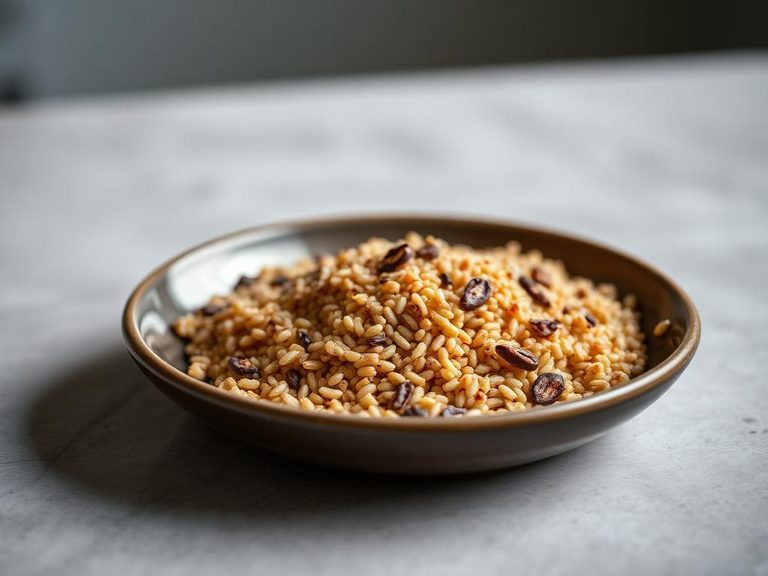
Buckwheat groats, roasted and cooked, offer a deep, nutty, and earthy flavor with a pleasantly chewy texture that holds its shape well. Despite its name, it's a gluten-free pseudocereal seed, not a grain, packed with plant-based protein and fiber. This humble ingredient is a nutritional powerhouse, delivering a satisfying, energy-sustaining meal with a robust, toasty character.
Calorie split: 14% protein · 81% carbs · 6% fat
↓ Full nutrition💚 Why it's loved
People adore its distinctive, hearty, and comforting flavor that serves as a perfect canvas for both sweet and savory dishes. It's cherished for its quick cooking time and its ability to bring a rustic, wholesome element to breakfast bowls, pilafs, and salads.
⚠️ Watch-outs & how to enjoy it better
The strong, earthy taste can be an acquired flavor for some, and its high fiber content may cause digestive discomfort if introduced too quickly. To ease in, start with smaller portions and ensure adequate water intake. Its mineral content, while beneficial, includes compounds that can bind with other nutrients, so pairing it with a source of vitamin C (like a squeeze of lemon or side of vegetables) can enhance iron absorption.
Key benefits
- Excellent source of plant-based protein and dietary fiber
- Naturally gluten-free, suitable for celiac or gluten-sensitive diets
- Rich in minerals like magnesium, manganese, and copper
- Contains all nine essential amino acids, including lysine
- Low glycemic index helps promote steady energy levels
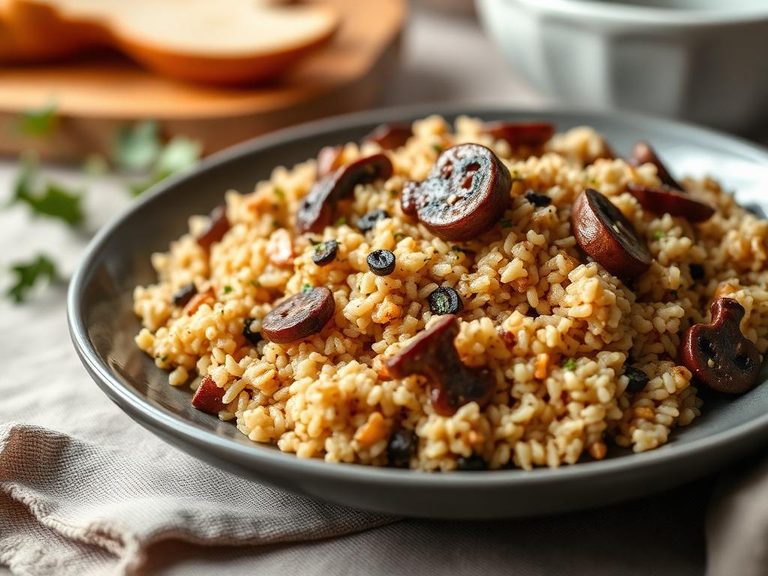
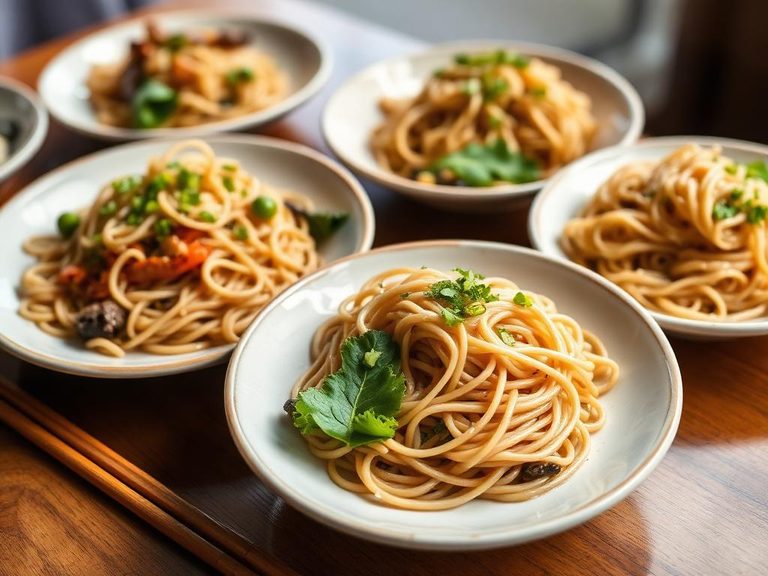
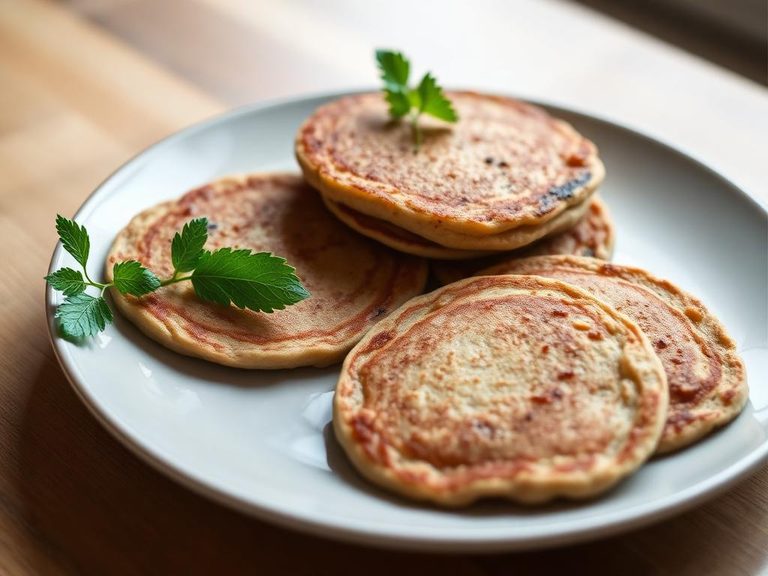
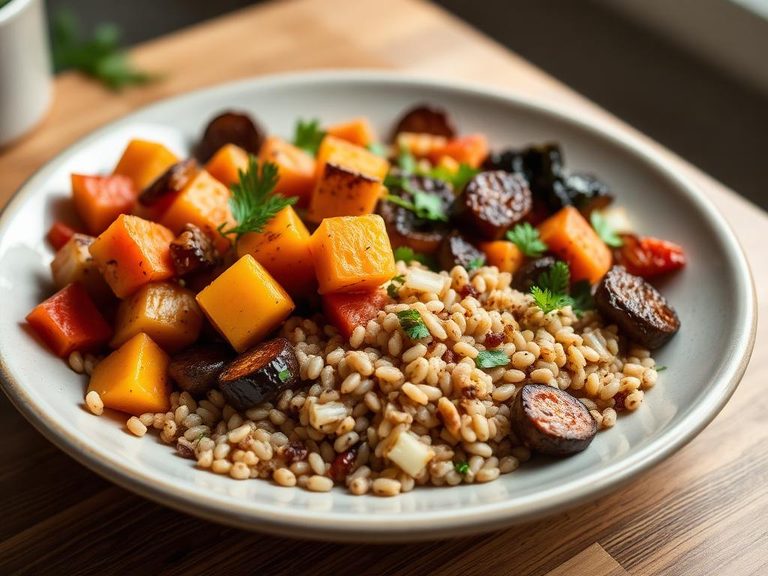
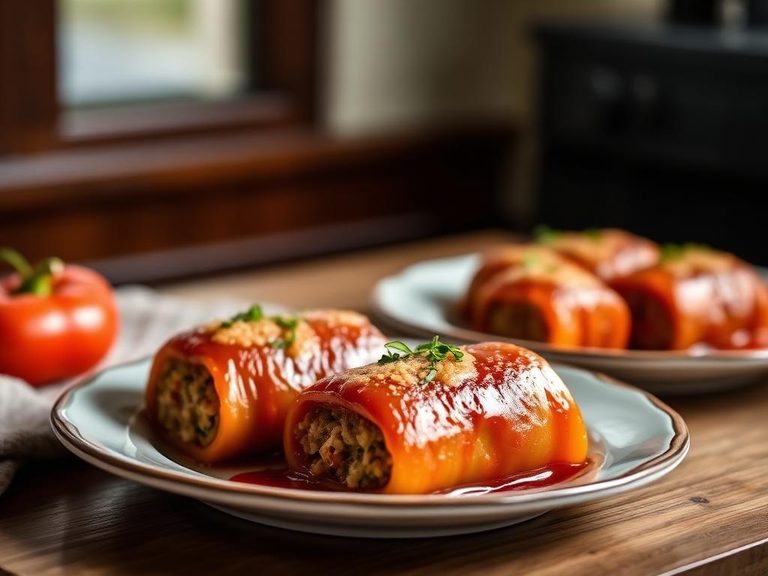
🍽️ Popular dishes
🌍 Where it's eaten
💡 Did you know?
The roasting process that gives kasha its signature dark color and intense nutty flavor is called 'toasting' and is a traditional step in Eastern Europe to enhance digestibility and flavor.
Full nutrition (USDA data · scales with serving)
| Water | 75.6 g |
| Energy | 92.0 kcal |
| Energy | 385 kj |
| Protein | 3.4 g |
| Total lipid (fat) | 0.62 g |
| Ash | 0.43 g |
| Carbohydrate, by difference | 19.9 g |
| Fiber, total dietary | 2.7 g |
| Total Sugars | 0.90 g |
| Sucrose | 0.40 g |
| Glucose | 0.20 g |
| Fructose | 0.10 g |
| Calcium, Ca | 7.0 mg |
| Iron, Fe | 0.80 mg |
| Magnesium, Mg | 51.0 mg |
| Phosphorus, P | 70.0 mg |
| Potassium, K | 88.0 mg |
| Sodium, Na | 4.0 mg |
| Zinc, Zn | 0.61 mg |
| Copper, Cu | 0.15 mg |
| Manganese, Mn | 0.40 mg |
| Selenium, Se | 2.2 ug |
| Vitamin C, total ascorbic acid | 0.00 mg |
| Thiamin | 0.04 mg |
| Riboflavin | 0.04 mg |
| Niacin | 0.94 mg |
| Pantothenic acid | 0.36 mg |
| Vitamin B-6 | 0.08 mg |
| Folate, total | 14.0 ug |
| Folic acid | 0.00 ug |
| Folate, food | 14.0 ug |
| Folate, DFE | 14.0 ug |
| Choline, total | 20.1 mg |
| Betaine | 0.50 mg |
| Vitamin B-12 | 0.00 ug |
| Vitamin B-12, added | 0.00 ug |
| Vitamin A, RAE | 0.00 ug |
| Retinol | 0.00 ug |
| Carotene, beta | 0.00 ug |
| Carotene, alpha | 0.00 ug |
| Cryptoxanthin, beta | 0.00 ug |
| Vitamin A, IU | 0.00 iu |
| Lycopene | 0.00 ug |
| Lutein + zeaxanthin | 60.0 ug |
| Vitamin E (alpha-tocopherol) | 0.09 mg |
| Vitamin E, added | 0.00 mg |
| Vitamin D (D2 + D3), International Units | 0.00 iu |
| Vitamin D (D2 + D3) | 0.00 ug |
| Vitamin K (phylloquinone) | 1.9 ug |
| Alcohol, ethyl | 0.00 g |
| Caffeine | 0.00 mg |
| Theobromine | 0.00 mg |
Fat & fatty acid profile (per 100g)
| Fatty acids, total saturated | 0.13 g |
| SFA 4:0 | 0.00 g |
| SFA 6:0 | 0.00 g |
| SFA 8:0 | 0.01 g |
| SFA 10:0 | 0.00 g |
| SFA 12:0 | 0.00 g |
| SFA 14:0 | 0.00 g |
| SFA 16:0 | 0.08 g |
| SFA 18:0 | 0.01 g |
| Fatty acids, total monounsaturated | 0.19 g |
| MUFA 16:1 | 0.00 g |
| MUFA 18:1 | 0.18 g |
| MUFA 20:1 | 0.00 g |
| MUFA 22:1 | 0.00 g |
| Fatty acids, total polyunsaturated | 0.19 g |
| PUFA 18:2 | 0.17 g |
| PUFA 18:3 | 0.01 g |
| PUFA 18:4 | 0.00 g |
| PUFA 20:4 | 0.00 g |
| PUFA 20:5 n-3 (EPA) | 0.00 g |
| PUFA 22:5 n-3 (DPA) | 0.00 g |
| PUFA 22:6 n-3 (DHA) | 0.00 g |
| Cholesterol | 0.00 mg |
Amino acid profile (per 100g)
| Tryptophan | 0.05 g |
| Threonine | 0.13 g |
| Isoleucine | 0.13 g |
| Leucine | 0.21 g |
| Lysine | 0.17 g |
| Methionine | 0.04 g |
| Cystine | 0.06 g |
| Phenylalanine | 0.13 g |
| Tyrosine | 0.06 g |
| Valine | 0.17 g |
| Arginine | 0.25 g |
| Histidine | 0.08 g |
| Alanine | 0.19 g |
| Aspartic acid | 0.29 g |
| Glutamic acid | 0.52 g |
| Glycine | 0.26 g |
| Proline | 0.13 g |
| Serine | 0.17 g |
FAQ
Is buckwheat a grain or a seed?
Buckwheat is a pseudocereal, which is a seed from a flowering plant (related to rhubarb) that is used like a grain. It is naturally gluten-free.
What's the difference between raw and roasted buckwheat groats?
Roasted groats (kasha) have a darker color, firmer texture, and a more pronounced, nutty flavor. Raw groats are lighter and milder, often used in porridges or salads where a softer texture is desired.
How do I cook buckwheat groats to keep them fluffy?
Use a ratio of 1 part groats to 2 parts water or broth. Bring to a boil, reduce to a simmer, cover, and cook for 10-15 minutes until the liquid is absorbed. Let it sit, covered, for 5 minutes before fluffing with a fork.
Nutrient density (calculated · NRF9.3)
Nutrient Rich Foods index: beneficial nutrients (protein, fiber, vitamins, minerals) minus saturated fat, added sugar & sodium, per 100 kcal.
NRF9.3 index — Fulgoni, Keast & Drewnowski, 2009. Computed from USDA nutrients.
Weight-loss friendliness (composite index)
Energy density 0.92 kcal/g · 15% calories from protein · 2.7 g fiber · 0.9 g sugar per 100 g.
Composite of energy density (Rolls et al., 1999), protein & fiber satiety, minus sugar. A calculated heuristic — ranks satiety-per-calorie, not a clinical measure.
Dietary load (calculated from USDA values)
Potential renal acid load. Positive = acid-forming, negative = alkaline-forming.
Sodium-to-potassium ratio: 0.05 (lower is better — aim for ≤ 1)
Sodium:potassium per WHO potassium guidance. Computed from USDA nutrients.