Buckwheat pancakes or blini
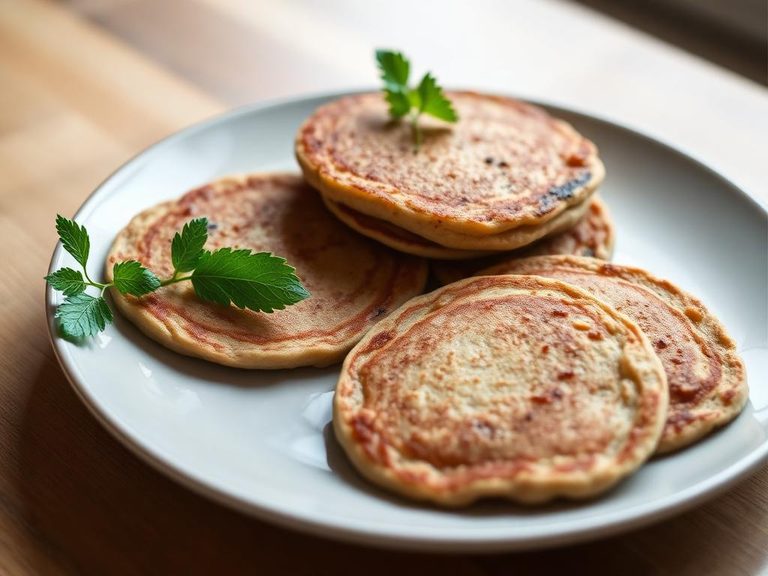
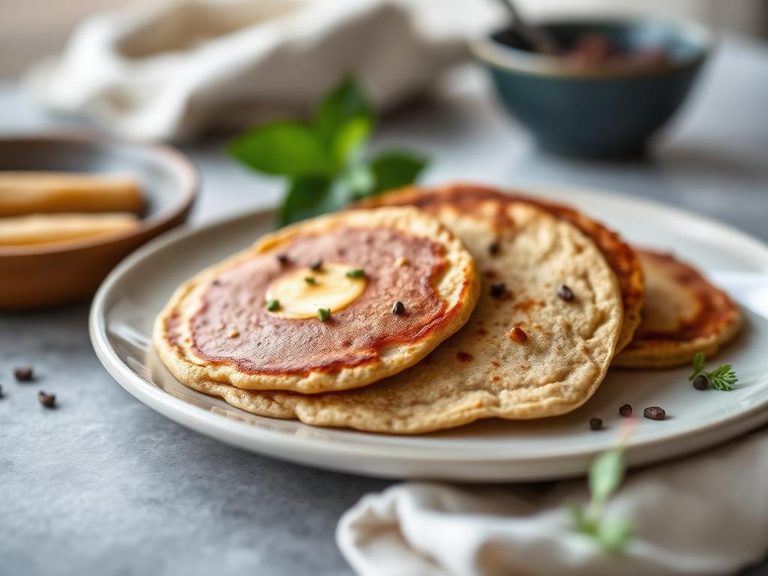
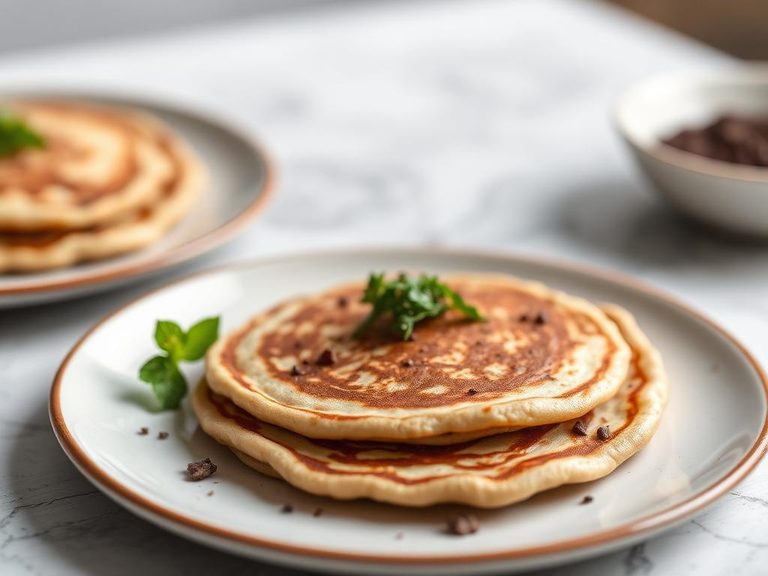
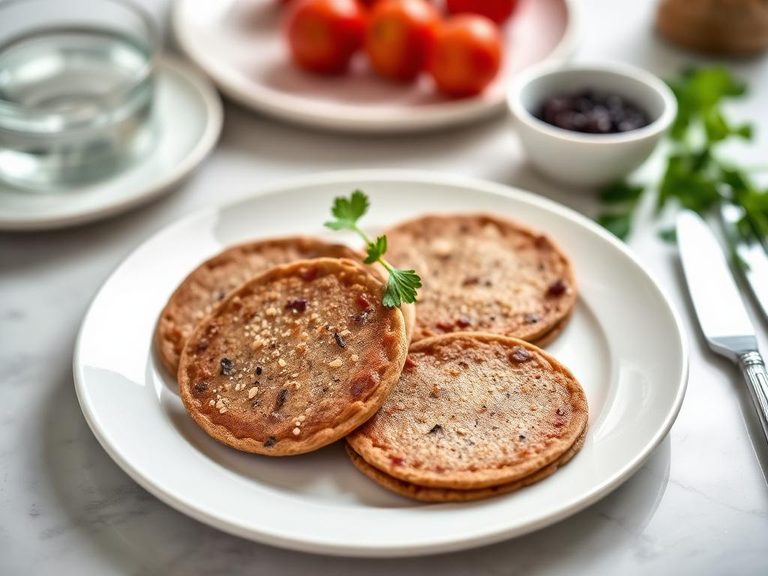
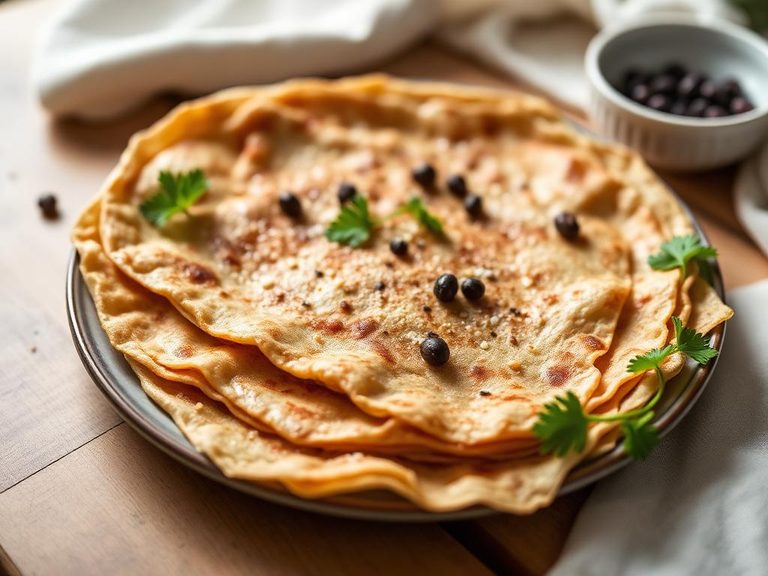
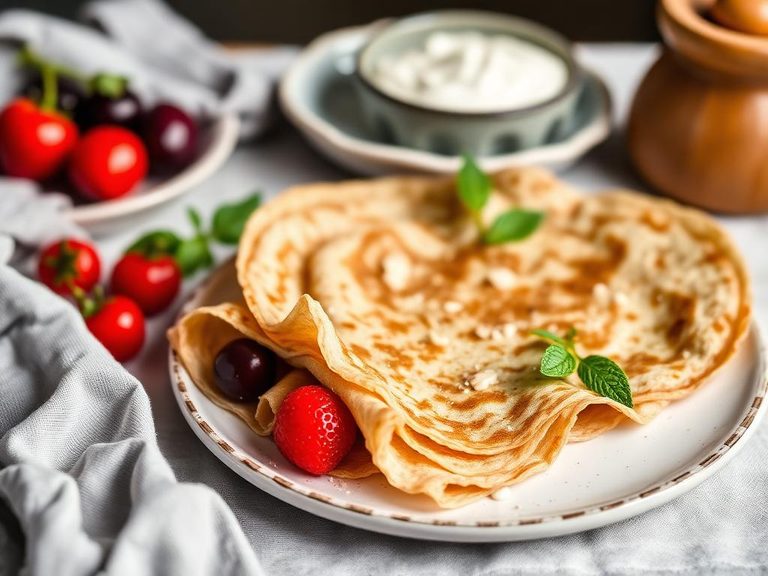
Buckwheat pancakes, or blini, are thin, savory pancakes made primarily from buckwheat flour, giving them a distinct nutty flavor and earthy aroma. Originating from Eastern Europe, particularly Russia and Ukraine, they are a traditional staple often served during celebrations like Maslenitsa (Butter Week). They are typically made with a simple batter of buckwheat flour, milk or kefir, eggs, and yeast or baking powder.
🍽️ Nutrition at a glance
These pancakes are a good source of complex carbohydrates and provide a moderate amount of plant-based protein. A typical serving offers key nutrients like magnesium, manganese, and B vitamins, with a calorie range of approximately 150-200 kcal per two medium pancakes.
Nutrition breakdown
| Calories | 175 kcal |
| Protein | 7 g |
| Carbs | 28 g |
| Fat | 4 g |
| Fiber | 3 g |
| Sugar | 2 g |
| Sodium | 320 mg |
| Magnesium | 65 mg |
| Manganese | 0.7 mg |
| Phosphorus | 150 mg |
| Iron | 1.8 mg |
| Thiamin (B1) | 0.15 mg |
| Niacin (B3) | 2.5 mg |
| Folate | 40 mcg |
| Copper | 0.2 mg |
Per 2 medium pancakes (about 100 g) · estimated, varies by recipe
💡 What's interesting
Buckwheat is not a true grain but a pseudocereal, naturally gluten-free and rich in the amino acid lysine, which is often limited in other grains. Culturally, blini are traditionally round and thin to symbolize the sun, and serving them with toppings like sour cream, smoked fish, or caviar is a cherished social ritual.