Buckwheat Blini
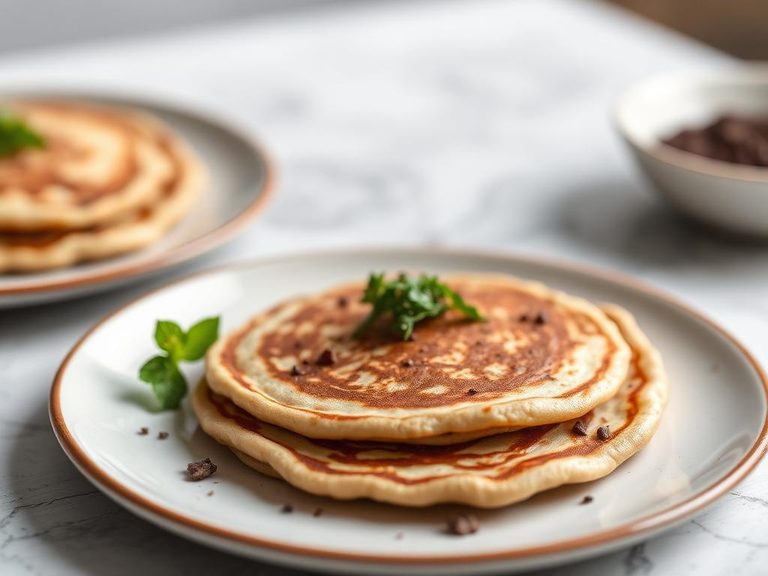
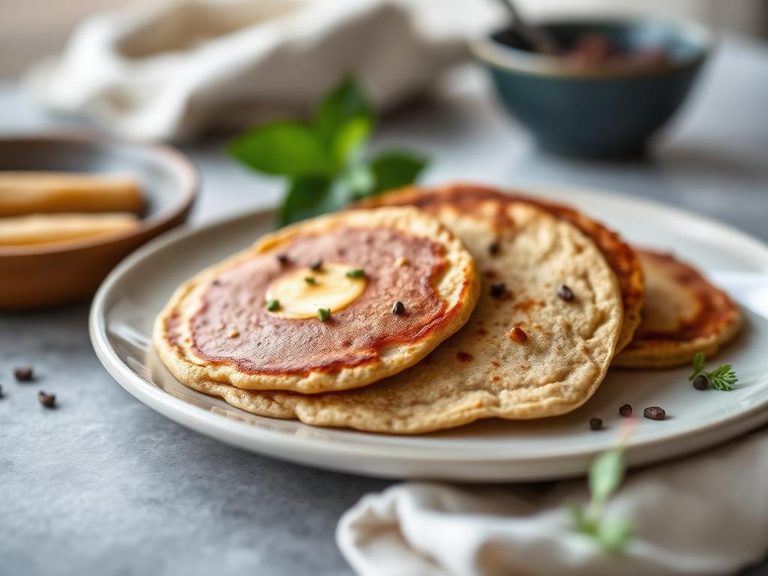
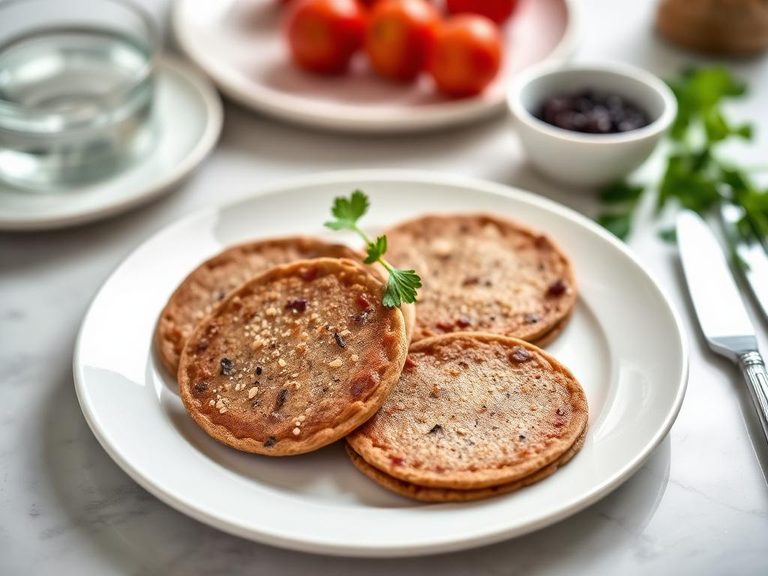
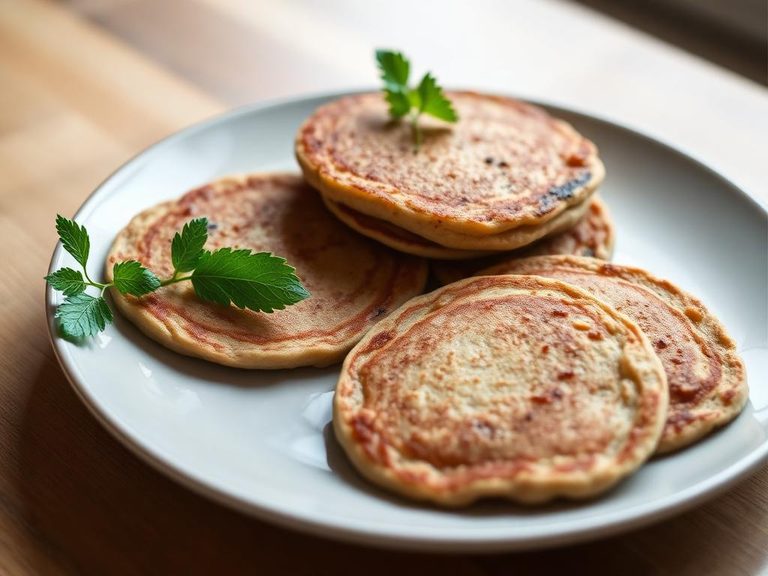
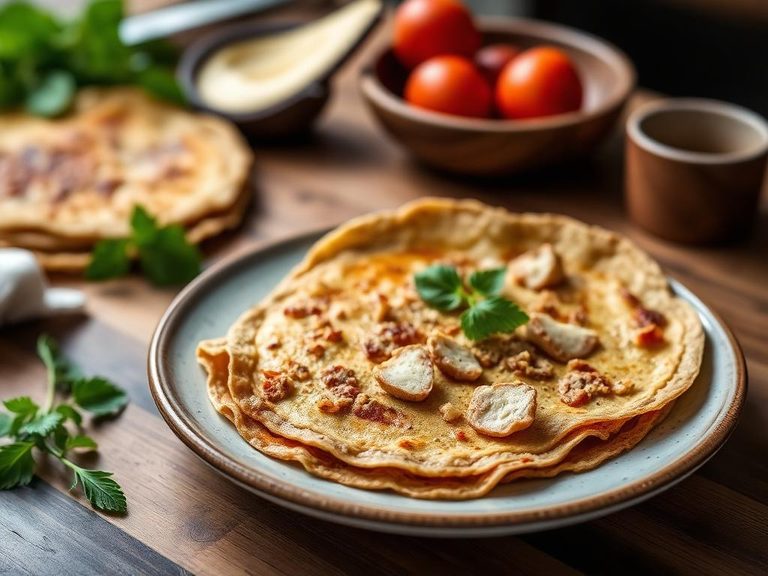
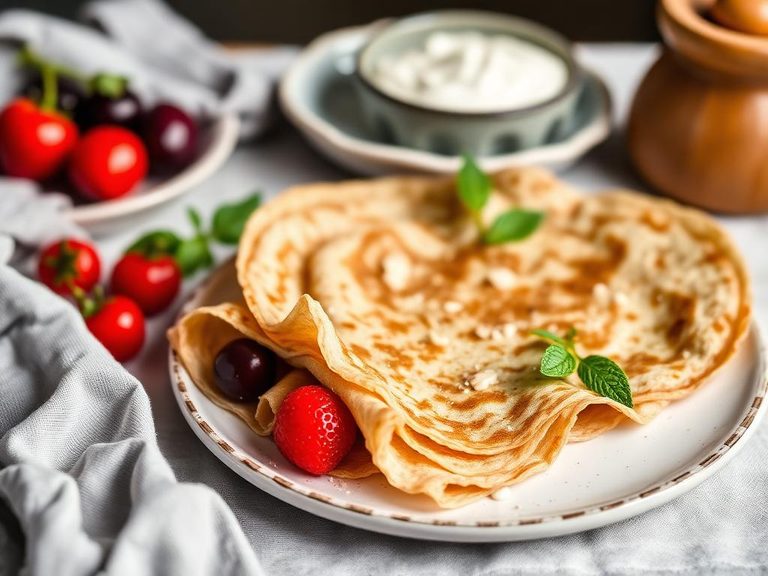
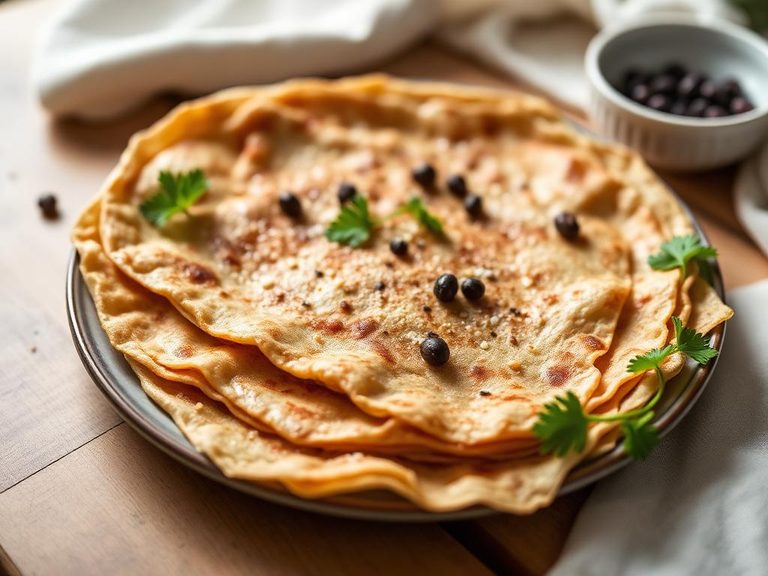
Buckwheat blini are small, savory pancakes made from buckwheat flour, often combined with wheat flour, yeast, and milk or kefir, giving them a distinctive earthy flavor and slightly spongy texture. Originating in Eastern Europe, particularly Russia and Ukraine, they are a traditional staple often served with toppings like sour cream, smoked fish, or caviar. Their unique taste comes from the nutty, gluten-free buckwheat grain, which is actually a seed.
🍽️ Nutrition at a glance
These blini are a good source of complex carbohydrates and provide dietary fiber, along with essential minerals like magnesium, iron, and B vitamins from the buckwheat. A typical serving of two to three medium blini contains roughly 150-200 calories, with the exact amount varying based on added ingredients like butter or toppings.
Nutrition breakdown
| Calories | 220 kcal |
| Protein | 8 g |
| Carbs | 38 g |
| Fat | 4 g |
| Fiber | 4 g |
| Sugar | 2 g |
| Sodium | 350 mg |
| Manganese | 1.2 mg |
| Magnesium | 70 mg |
| Phosphorus | 180 mg |
| Iron | 2.5 mg |
| Thiamin (B1) | 0.2 mg |
| Niacin (B3) | 3.0 mg |
| Copper | 0.3 mg |
| Selenium | 12 µg |
Per 2 medium blini (100 g) · estimated, varies by recipe
💡 What's interesting
Culturally, buckwheat blini are deeply symbolic in Slavic traditions, often associated with celebrations like Maslenitsa (Butter Week) and representing the sun. Nutritionally, buckwheat is a pseudocereal that's naturally gluten-free and rich in antioxidants, making these blini a wholesome alternative to conventional pancakes.