

Soba noodle dishes
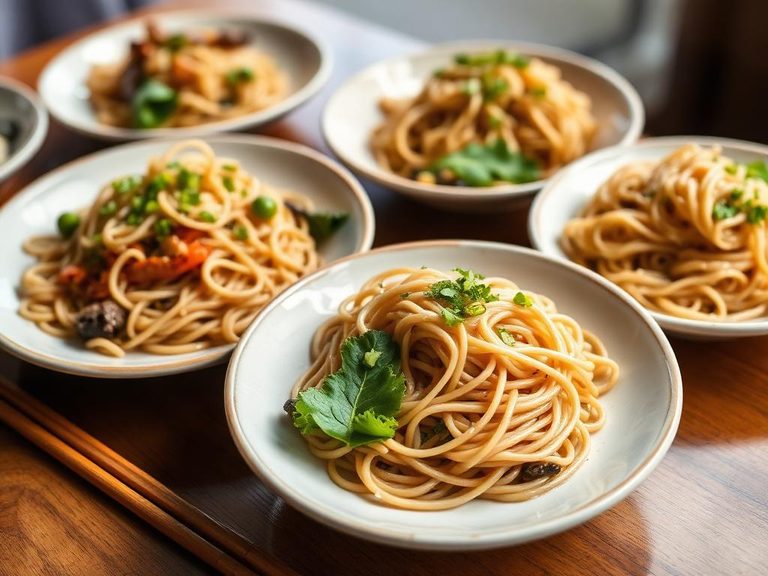
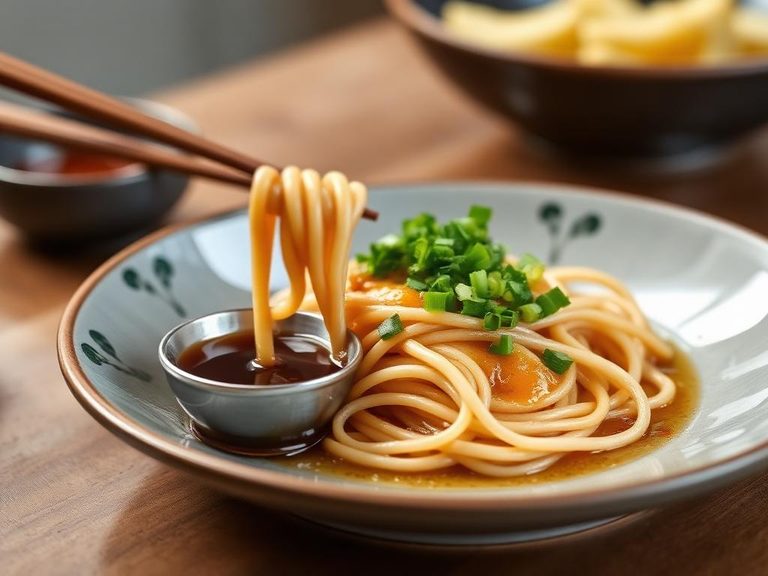
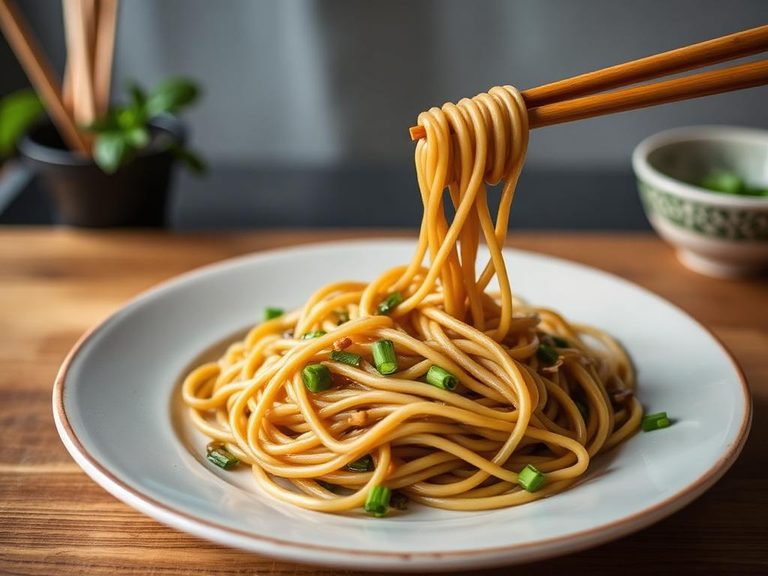
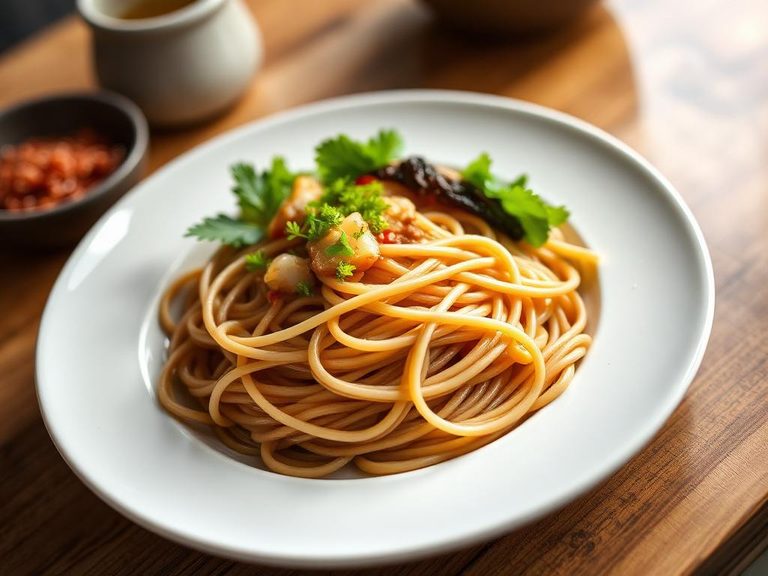
Soba noodle dishes are Japanese meals featuring thin noodles made primarily from buckwheat flour, often served chilled with a dipping sauce or in a hot broth. They are commonly paired with ingredients like nori seaweed, scallions, and tempura. Originating from Japan, soba is a staple in both casual and traditional cuisine.
🍽️ Nutrition at a glance
Soba noodles are a good source of complex carbohydrates and provide moderate protein, especially compared to wheat-based pastas. A typical serving offers key nutrients like manganese and thiamin, with a calorie range of approximately 200-300 kcal depending on preparation.
Nutrition breakdown
| Calories | 240 kcal |
| Protein | 10 g |
| Carbs | 48 g |
| Fat | 1 g |
| Fiber | 3 g |
| Sugar | 2 g |
| Sodium | 280 mg |
| Manganese | 1.0 mg |
| Thiamin (B1) | 0.2 mg |
| Niacin (B3) | 3.0 mg |
| Magnesium | 50 mg |
| Phosphorus | 150 mg |
| Potassium | 180 mg |
| Iron | 1.5 mg |
| Folate | 20 µg |
Per 1 cup (114 g) cooked soba noodles · estimated, varies by recipe
💡 What's interesting
Culturally, soba is eaten on New Year's Eve in Japan for longevity, and its buckwheat content makes it naturally gluten-free if pure, though many blends include wheat flour.
🍽️ Related dishes
AI estimate may be inaccurate · Terms