

Udi's, Gluten Free, Whole Grain Dinner Rolls
Whole food · Baked Products

Photo: Wikipedia
Udi's Gluten Free Whole Grain Dinner Rolls are soft, pillowy buns with a lightly sweet, nutty flavor and a tender, moist crumb that avoids the common grittiness of gluten-free baked goods. They are notably high in fiber (11.2g per 100g) and provide a solid 11.8g of protein, making them a more substantial gluten-free option. The rolls are pre-baked and designed for easy reheating, offering a convenient, reliable staple for gluten-free households.
Calorie split: 14% protein · 54% carbs · 32% fat
↓ Full nutrition💚 Why it's loved
People love these rolls for their remarkably soft, non-crumbly texture and mild, versatile flavor that pairs well with both sweet and savory toppings. They are a trusted, comforting staple that allows those on a gluten-free diet to enjoy classic bread-based meals without compromise.
⚠️ Watch-outs & how to enjoy it better
The primary caution is for those monitoring blood sugar, as the 44.29g of carbohydrates per 100g can cause a significant spike if eaten alone. To counteract this, always pair a roll with a source of protein (like turkey or cheese) or healthy fat (like avocado or olive oil) to slow digestion and stabilize blood sugar response. Additionally, some may find the calorie density (329 kcal per 100g) requires mindful portion control.
Key benefits
- Certified gluten-free and made with whole grains.
- High in dietary fiber (11.2g per 100g).
- Good source of plant-based protein (11.8g per 100g).
- Low in sugar (4.2g per 100g).
- Convenient, pre-baked format for quick meals.
🍽️ Popular dishes
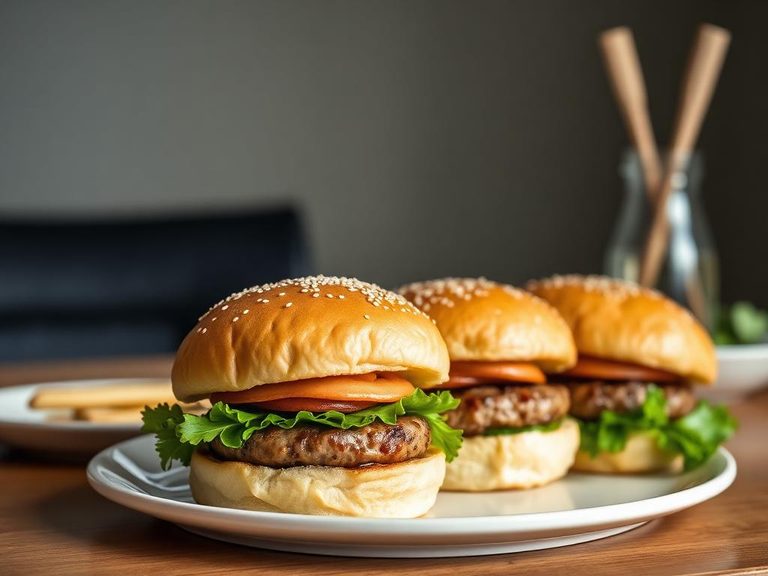



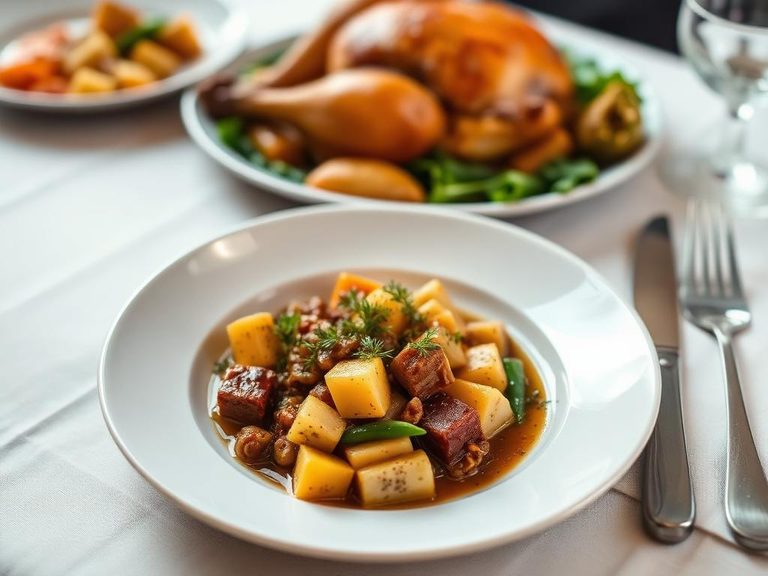
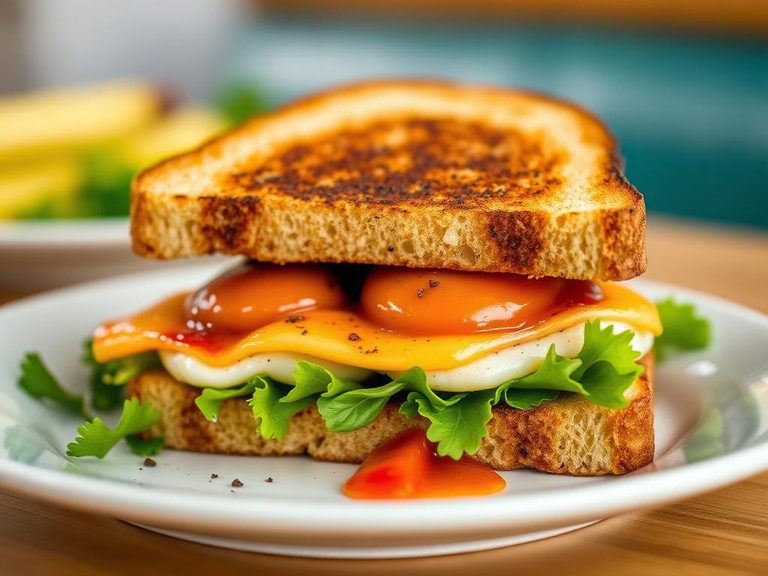
🌍 Where it's eaten
💡 Did you know?
Udi's was founded in 2003 by Udi Bar-On, who started baking in his home kitchen in Denver, Colorado, after struggling to find good-tasting gluten-free bread for his son.
Full nutrition (USDA data · scales with serving)
| Water | 29.9 g |
| Energy | 329 kcal |
| Energy | 1376 kj |
| Protein | 11.8 g |
| Total lipid (fat) | 11.6 g |
| Ash | 2.4 g |
| Carbohydrate, by difference | 44.3 g |
| Fiber, total dietary | 11.2 g |
| Total Sugars | 4.2 g |
| Sucrose | 0.00 g |
| Glucose | 0.52 g |
| Fructose | 0.72 g |
| Lactose | 0.00 g |
| Maltose | 3.0 g |
| Galactose | 0.00 g |
| Starch | 29.3 g |
| Calcium, Ca | 118 mg |
| Iron, Fe | 1.6 mg |
| Magnesium, Mg | 96.0 mg |
| Phosphorus, P | 233 mg |
| Potassium, K | 273 mg |
| Sodium, Na | 507 mg |
| Zinc, Zn | 1.4 mg |
| Copper, Cu | 0.26 mg |
| Manganese, Mn | 1.7 mg |
| Selenium, Se | 25.0 ug |
| Thiamin | 0.38 mg |
| Riboflavin | 0.36 mg |
| Niacin | 3.8 mg |
| Vitamin E (alpha-tocopherol) | 1.4 mg |
| Tocopherol, beta | 0.08 mg |
| Tocopherol, gamma | 3.1 mg |
| Tocopherol, delta | 0.00 mg |
| Tocotrienol, alpha | 0.00 mg |
| Tocotrienol, beta | 0.00 mg |
| Tocotrienol, gamma | 0.21 mg |
| Tocotrienol, delta | 0.00 mg |
Fat & fatty acid profile (per 100g)
| Fatty acids, total saturated | 1.4 g |
| SFA 4:0 | 0.00 g |
| SFA 6:0 | 0.00 g |
| SFA 8:0 | 0.00 g |
| SFA 10:0 | 0.00 g |
| SFA 12:0 | 0.01 g |
| SFA 14:0 | 0.02 g |
| SFA 15:0 | 0.01 g |
| SFA 16:0 | 0.84 g |
| SFA 17:0 | 0.01 g |
| SFA 18:0 | 0.36 g |
| SFA 20:0 | 0.06 g |
| SFA 22:0 | 0.05 g |
| SFA 24:0 | 0.03 g |
| Fatty acids, total monounsaturated | 5.4 g |
| MUFA 14:1 | 0.00 g |
| MUFA 15:1 | 0.00 g |
| MUFA 16:1 | 0.03 g |
| MUFA 16:1 c | 0.03 g |
| MUFA 17:1 | 0.01 g |
| MUFA 18:1 | 5.2 g |
| MUFA 18:1 c | 5.2 g |
| MUFA 20:1 | 0.12 g |
| MUFA 22:1 | 0.01 g |
| MUFA 22:1 c | 0.00 g |
| MUFA 24:1 c | 0.01 g |
| Fatty acids, total polyunsaturated | 4.9 g |
| PUFA 18:2 | 3.1 g |
| PUFA 18:2 n-6 c,c | 3.1 g |
| PUFA 18:2 CLAs | 0.01 g |
| PUFA 18:3 | 1.8 g |
| PUFA 18:3 n-3 c,c,c (ALA) | 1.7 g |
| PUFA 18:3 n-6 c,c,c | 0.03 g |
| PUFA 18:3i | 0.00 g |
| PUFA 18:4 | 0.00 g |
| PUFA 20:2 n-6 c,c | 0.01 g |
| PUFA 20:3 | 0.00 g |
| PUFA 20:3 n-3 | 0.00 g |
| PUFA 20:3 n-6 | 0.00 g |
| PUFA 20:4 | 0.01 g |
| PUFA 20:5 n-3 (EPA) | 0.01 g |
| PUFA 22:4 | 0.00 g |
| PUFA 22:5 n-3 (DPA) | 0.00 g |
| PUFA 22:6 n-3 (DHA) | 0.00 g |
| Fatty acids, total trans | 0.03 g |
| Fatty acids, total trans-monoenoic | 0.02 g |
| TFA 16:1 t | 0.00 g |
| TFA 18:1 t | 0.02 g |
| TFA 22:1 t | 0.00 g |
| TFA 18:2 t not further defined | 0.01 g |
| Fatty acids, total trans-polyenoic | 0.01 g |
FAQ
Are these rolls suitable for a keto diet?
No, they are not. With 44.29g of carbohydrates per 100g, they are far too high in carbs for a standard ketogenic diet.
How should I store them to maintain freshness?
For short-term use, store at room temperature in a sealed bag. For longer storage, freeze them in an airtight bag and reheat directly from frozen in a toaster or oven.
Do they contain common allergens besides gluten?
Always check the specific package, but typical ingredients include eggs, milk, and sometimes soy. They are not nut-free by default.
Nutrient density (calculated · NRF9.3)
Nutrient Rich Foods index: beneficial nutrients (protein, fiber, vitamins, minerals) minus saturated fat, added sugar & sodium, per 100 kcal.
NRF9.3 index — Fulgoni, Keast & Drewnowski, 2009. Computed from USDA nutrients.
Weight-loss friendliness (composite index)
Energy density 3.29 kcal/g · 14% calories from protein · 11.2 g fiber · 4.2 g sugar per 100 g.
Composite of energy density (Rolls et al., 1999), protein & fiber satiety, minus sugar. A calculated heuristic — ranks satiety-per-calorie, not a clinical measure.
Dietary load (calculated from USDA values)
Potential renal acid load. Positive = acid-forming, negative = alkaline-forming.
Sodium-to-potassium ratio: 1.86 (lower is better — aim for ≤ 1)
Sodium:potassium per WHO potassium guidance. Computed from USDA nutrients.