

Turtle, green, raw
Whole food · Finfish and Shellfish Products

Photo: Wikipedia
Green sea turtle meat is a lean, dense protein with a texture often compared to veal or chicken, offering a mild, slightly sweet flavor. Nutritionally, it is exceptionally high in protein (19.8g per 100g) with virtually no fat or carbohydrates, making it a very lean source of animal protein. Its consumption is highly regulated due to conservation status.
Calorie split: 95% protein · 0% carbs · 5% fat
↓ Full nutrition💚 Why it's loved
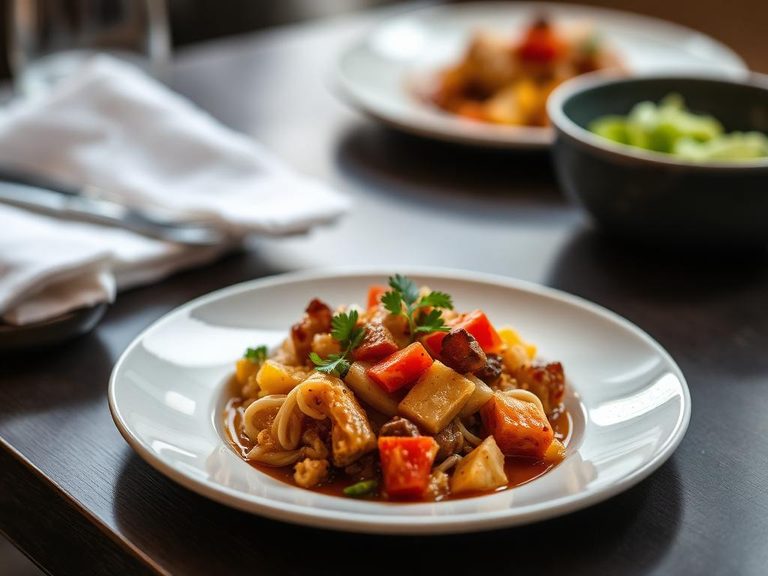
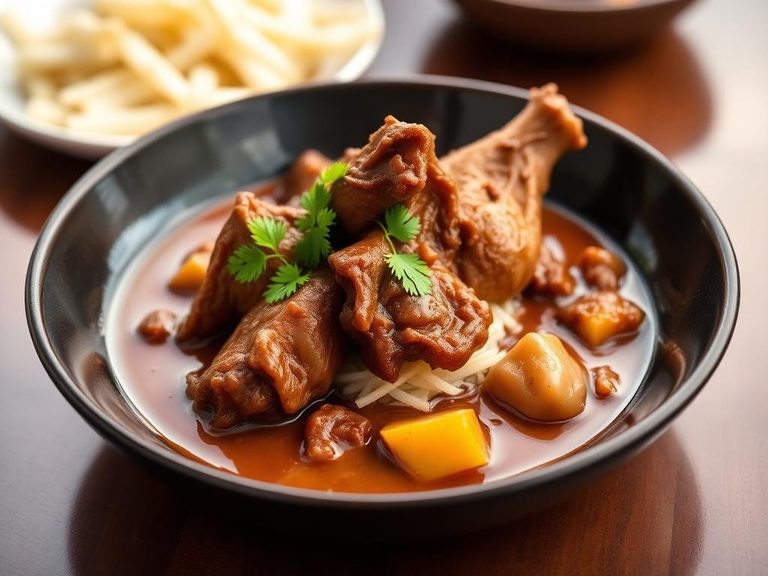
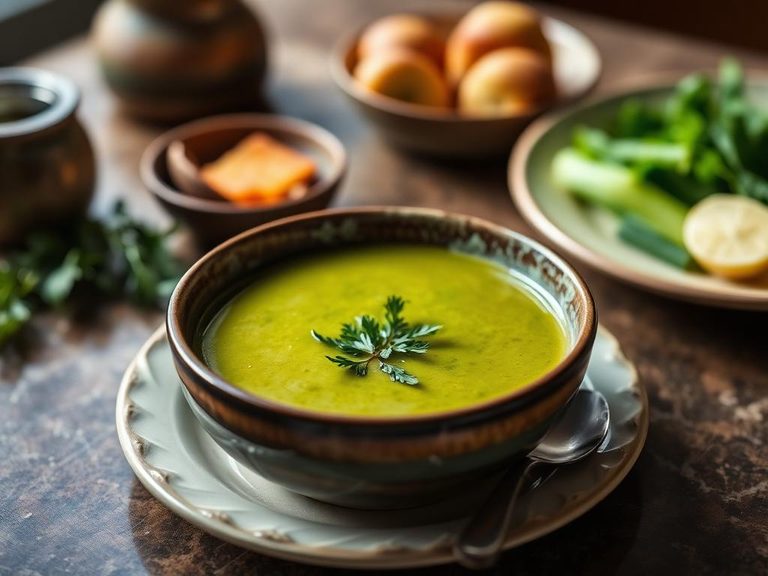
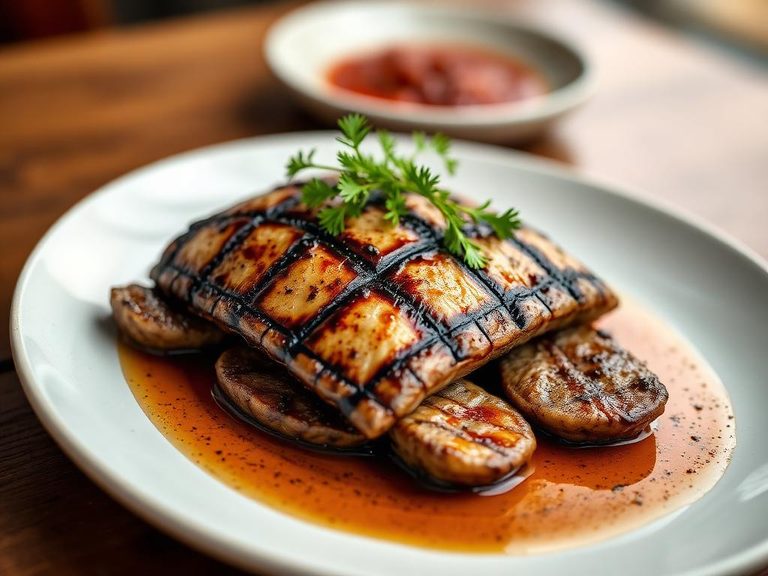
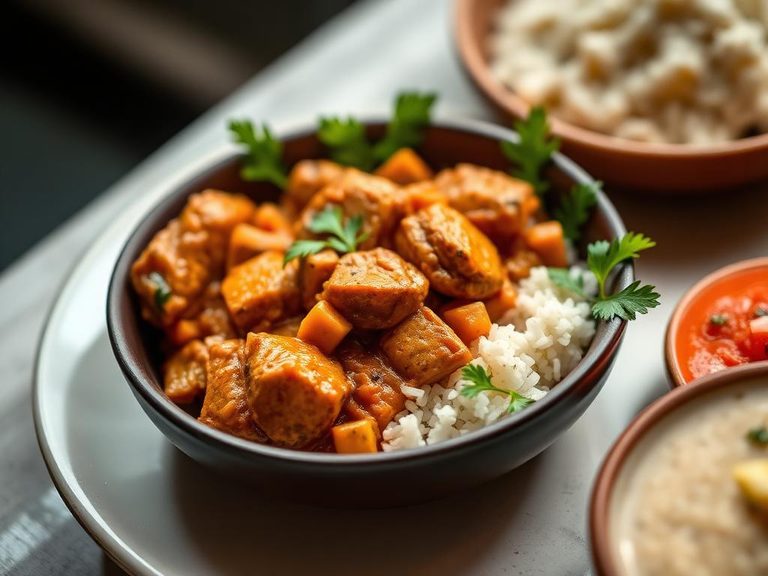
It is prized in certain coastal and island cultures for its unique, tender texture and mild flavor, often considered a delicacy or ceremonial food. The meat's versatility allows it to be prepared in stews, curries, or grilled, adapting to local spice profiles.
⚠️ Watch-outs & how to enjoy it better
The primary and critical concern is that green sea turtles are an endangered species, making their consumption illegal in most countries and unethical. For those in regions where it is historically consumed, caution is advised due to potential bioaccumulation of toxins like heavy metals in the meat and fat. If encountered in a legal, traditional context, thorough cooking is essential to mitigate foodborne risks.
Key benefits
- Exceptionally high in lean protein for muscle maintenance.
- Very low in fat and contains no carbohydrates.
- A source of minerals like selenium and iron.
- Historically a significant protein source in coastal cultures.
- Low-calorie density for its protein content.
🍽️ Popular dishes
🌍 Where it's eaten
💡 Did you know?
Green sea turtles are not green on the inside; their name comes from the greenish color of their body fat, which is derived from their herbivorous diet of seagrasses and algae.
Full nutrition (USDA data · scales with serving)
| Water | 78.5 g |
| Energy | 89.0 kcal |
| Energy | 372 kj |
| Protein | 19.8 g |
| Total lipid (fat) | 0.50 g |
| Ash | 1.2 g |
| Carbohydrate, by difference | 0.00 g |
| Fiber, total dietary | 0.00 g |
| Total Sugars | 0.00 g |
| Calcium, Ca | 118 mg |
| Iron, Fe | 1.4 mg |
| Magnesium, Mg | 20.0 mg |
| Phosphorus, P | 180 mg |
| Potassium, K | 230 mg |
| Sodium, Na | 68.0 mg |
| Zinc, Zn | 1.0 mg |
| Copper, Cu | 0.25 mg |
| Selenium, Se | 16.8 ug |
| Vitamin C, total ascorbic acid | 0.00 mg |
| Thiamin | 0.12 mg |
| Riboflavin | 0.15 mg |
| Niacin | 1.1 mg |
| Vitamin B-6 | 0.12 mg |
| Folate, total | 15.0 ug |
| Folic acid | 0.00 ug |
| Folate, food | 15.0 ug |
| Folate, DFE | 15.0 ug |
| Choline, total | 65.0 mg |
| Vitamin B-12 | 1.0 ug |
| Vitamin B-12, added | 0.00 ug |
| Vitamin A, RAE | 30.0 ug |
| Retinol | 30.0 ug |
| Carotene, beta | 0.00 ug |
| Carotene, alpha | 0.00 ug |
| Cryptoxanthin, beta | 0.00 ug |
| Vitamin A, IU | 100 iu |
| Lycopene | 0.00 ug |
| Lutein + zeaxanthin | 0.00 ug |
| Vitamin E (alpha-tocopherol) | 0.50 mg |
| Vitamin E, added | 0.00 mg |
| Vitamin D (D2 + D3), International Units | 0.00 iu |
| Vitamin D (D2 + D3) | 0.00 ug |
| Vitamin D3 (cholecalciferol) | 0.00 ug |
| Vitamin K (phylloquinone) | 0.10 ug |
| Alcohol, ethyl | 0.00 g |
| Caffeine | 0.00 mg |
| Theobromine | 0.00 mg |
Fat & fatty acid profile (per 100g)
| Fatty acids, total saturated | 0.13 g |
| SFA 4:0 | 0.00 g |
| SFA 6:0 | 0.00 g |
| SFA 8:0 | 0.00 g |
| SFA 10:0 | 0.00 g |
| SFA 12:0 | 0.00 g |
| SFA 14:0 | 0.00 g |
| SFA 16:0 | 0.09 g |
| SFA 18:0 | 0.04 g |
| Fatty acids, total monounsaturated | 0.09 g |
| MUFA 16:1 | 0.01 g |
| MUFA 18:1 | 0.07 g |
| MUFA 20:1 | 0.00 g |
| MUFA 22:1 | 0.00 g |
| Fatty acids, total polyunsaturated | 0.17 g |
| PUFA 18:2 | 0.03 g |
| PUFA 18:3 | 0.02 g |
| PUFA 18:4 | 0.00 g |
| PUFA 20:4 | 0.05 g |
| PUFA 20:5 n-3 (EPA) | 0.02 g |
| PUFA 22:5 n-3 (DPA) | 0.01 g |
| PUFA 22:6 n-3 (DHA) | 0.03 g |
| Cholesterol | 50.0 mg |
Amino acid profile (per 100g)
Estimated from Beans, black turtle, mature seeds, raw — USDA does not publish this profile for Turtle.
| Tryptophan | 0.25 g |
| Threonine | 0.89 g |
| Isoleucine | 0.94 g |
| Leucine | 1.7 g |
| Lysine | 1.5 g |
| Methionine | 0.32 g |
| Cystine | 0.23 g |
| Phenylalanine | 1.1 g |
| Tyrosine | 0.60 g |
| Valine | 1.1 g |
| Arginine | 1.3 g |
| Histidine | 0.59 g |
| Alanine | 0.89 g |
| Aspartic acid | 2.6 g |
| Glutamic acid | 3.2 g |
| Glycine | 0.83 g |
| Proline | 0.90 g |
| Serine | 1.2 g |
FAQ
Why is green turtle meat often described as similar to chicken or veal?
This comparison refers to its texture and mild flavor profile. The meat is dense, lean, and white when cooked, with a subtle sweetness that lacks the strong 'fishy' taste of many other seafoods, making the analogy common in culinary descriptions.
Is it safe to eat?
Legality and safety are separate issues. It is illegal to hunt, sell, or consume green sea turtles in most of the world due to their endangered status. Even where historical consumption exists, there are health risks from potential contaminants and parasites, requiring proper sourcing (if legal) and thorough cooking.
What does 'raw' nutrition data mean for this item?
The provided values (89 kcal, 19.8g protein per 100g) represent the composition of the raw, uncooked muscle tissue. Cooking methods like grilling or stewing will alter the weight and concentrate nutrients, but the fundamental high-protein, low-fat profile remains.
Nutrient density (calculated · NRF9.3)
Nutrient Rich Foods index: beneficial nutrients (protein, fiber, vitamins, minerals) minus saturated fat, added sugar & sodium, per 100 kcal.
NRF9.3 index — Fulgoni, Keast & Drewnowski, 2009. Computed from USDA nutrients.
Weight-loss friendliness (composite index)
Energy density 0.89 kcal/g · 89% calories from protein · 0.0 g fiber · 0.0 g sugar per 100 g.
Composite of energy density (Rolls et al., 1999), protein & fiber satiety, minus sugar. A calculated heuristic — ranks satiety-per-calorie, not a clinical measure.
Dietary load (calculated from USDA values)
Potential renal acid load. Positive = acid-forming, negative = alkaline-forming.
Sodium-to-potassium ratio: 0.30 (lower is better — aim for ≤ 1)
Sodium:potassium per WHO potassium guidance. Computed from USDA nutrients.