

Turnip greens and turnips, frozen, cooked, boiled, drained, without salt
Whole food · Vegetables and Vegetable Products

Photo: Wikipedia
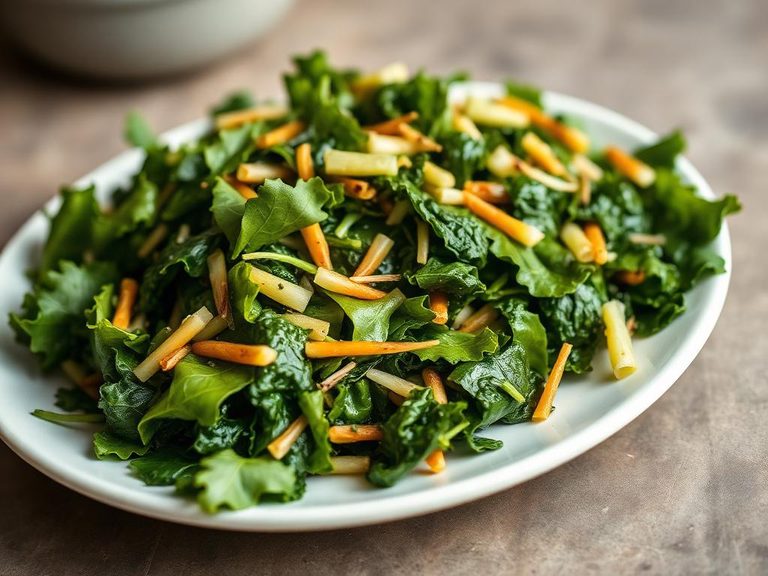
Turnip greens and turnips, frozen, cooked, boiled, drained, without salt, are a classic Southern U.S. side, offering a robust, earthy flavor with a tender, slightly chewy texture. The greens provide a peppery, mineral-rich bite, while the turnip roots add a subtle sweetness and a soft, starchy consistency. This low-calorie, high-fiber dish is a nutritional powerhouse, delivering significant vitamin K, vitamin A, and calcium in a single serving.
Calorie split: 34% protein · 56% carbs · 10% fat
↓ Full nutrition💚 Why it's loved
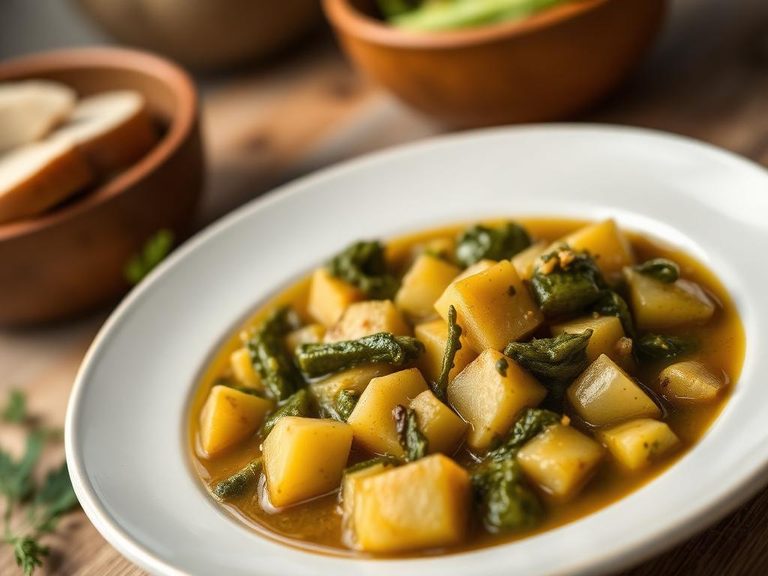
People love it for its deep, comforting, soul-food flavor that pairs perfectly with cornbread and ham hocks. Its versatility allows it to be enjoyed as a simple, savory side or as a hearty component in stews and soups.
⚠️ Watch-outs & how to enjoy it better
The naturally high oxalate content in turnip greens can be a concern for individuals prone to kidney stones. To mitigate this, boil the greens in plenty of water and drain well, which can reduce oxalate levels. Pairing with a calcium-rich food like cheese or a protein source can also help, and those on blood thinners should be mindful of the high vitamin K content.
Key benefits
- Excellent source of vitamin K for bone health and blood clotting.
- High in vitamin A (as beta-carotene) for eye and immune function.
- Provides a good amount of calcium for bone and muscle support.
- Rich in dietary fiber to promote digestive health and satiety.
- Very low in calories and fat, making it ideal for weight management.
🍽️ Popular dishes
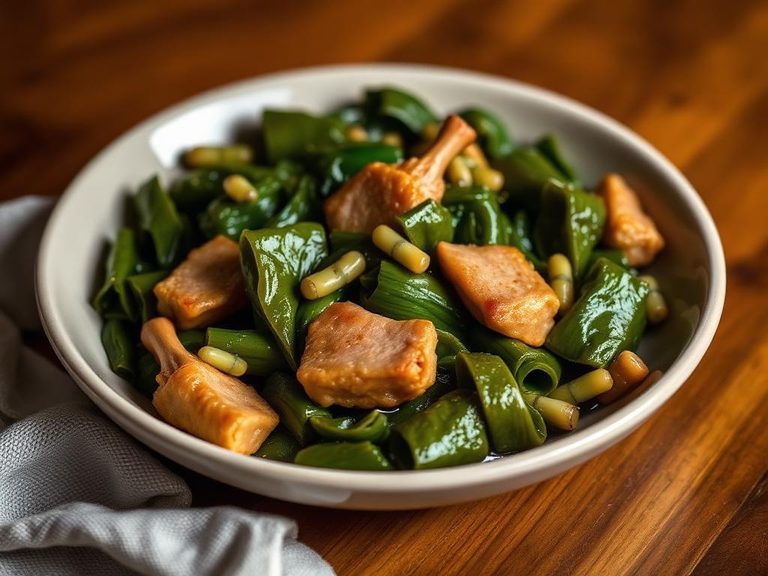
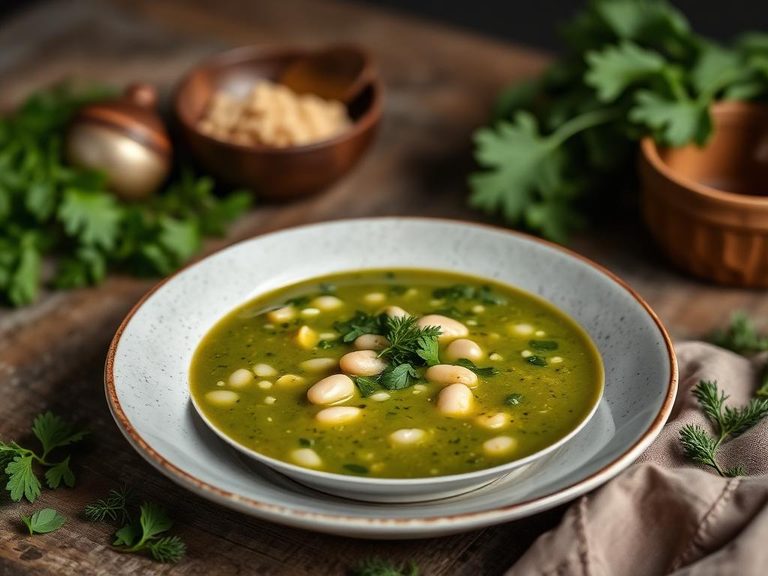
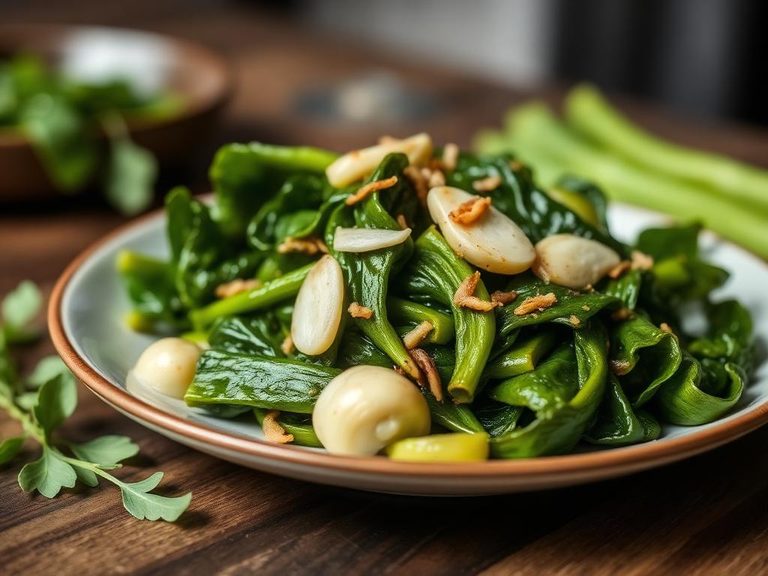
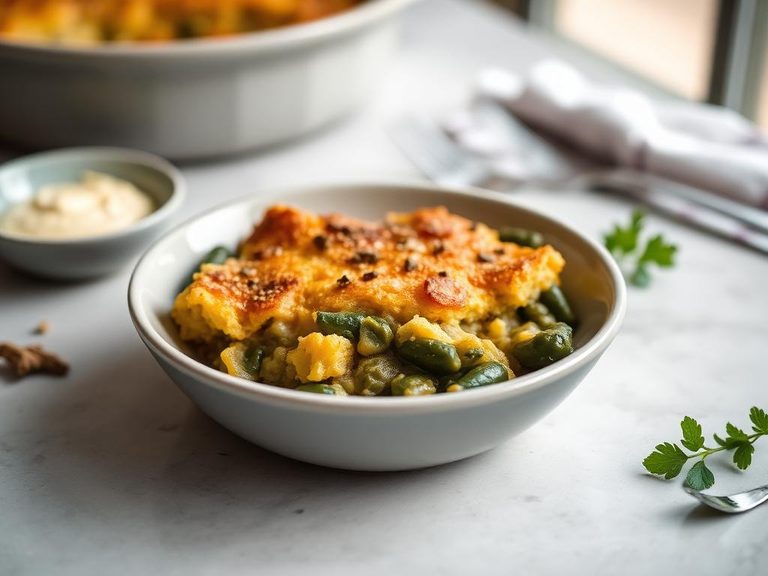
🌍 Where it's eaten
💡 Did you know?
Turnip greens are a nutritional superstar, containing more vitamin K per serving than almost any other common vegetable, which is crucial for bone health and helps prevent excessive bleeding.
Full nutrition (USDA data · scales with serving)
| Water | 91.0 g |
| Energy | 35.0 kcal |
| Energy | 146 kj |
| Protein | 3.0 g |
| Total lipid (fat) | 0.38 g |
| Ash | 0.74 g |
| Carbohydrate, by difference | 4.8 g |
| Fiber, total dietary | 3.1 g |
| Total Sugars | 1.1 g |
| Calcium, Ca | 128 mg |
| Iron, Fe | 1.8 mg |
| Magnesium, Mg | 24.0 mg |
| Phosphorus, P | 32.0 mg |
| Potassium, K | 216 mg |
| Sodium, Na | 19.0 mg |
| Zinc, Zn | 0.37 mg |
| Copper, Cu | 0.13 mg |
| Manganese, Mn | 0.40 mg |
| Selenium, Se | 1.1 ug |
| Vitamin C, total ascorbic acid | 18.2 mg |
| Thiamin | 0.05 mg |
| Riboflavin | 0.07 mg |
| Niacin | 0.49 mg |
| Pantothenic acid | 0.08 mg |
| Vitamin B-6 | 0.07 mg |
| Folate, total | 33.0 ug |
| Folic acid | 0.00 ug |
| Folate, food | 33.0 ug |
| Folate, DFE | 33.0 ug |
| Choline, total | 2.1 mg |
| Vitamin B-12 | 0.00 ug |
| Vitamin B-12, added | 0.00 ug |
| Vitamin A, RAE | 431 ug |
| Retinol | 0.00 ug |
| Carotene, beta | 5167 ug |
| Carotene, alpha | 0.00 ug |
| Cryptoxanthin, beta | 0.00 ug |
| Vitamin A, IU | 8612 iu |
| Lycopene | 0.00 ug |
| Lutein + zeaxanthin | 9532 ug |
| Vitamin E (alpha-tocopherol) | 2.1 mg |
| Vitamin E, added | 0.00 mg |
| Vitamin D (D2 + D3), International Units | 0.00 iu |
| Vitamin D (D2 + D3) | 0.00 ug |
| Vitamin K (phylloquinone) | 415 ug |
| Alcohol, ethyl | 0.00 g |
| Caffeine | 0.00 mg |
| Theobromine | 0.00 mg |
Fat & fatty acid profile (per 100g)
| Fatty acids, total saturated | 0.09 g |
| SFA 4:0 | 0.00 g |
| SFA 6:0 | 0.00 g |
| SFA 8:0 | 0.00 g |
| SFA 10:0 | 0.00 g |
| SFA 12:0 | 0.00 g |
| SFA 14:0 | 0.00 g |
| SFA 16:0 | 0.07 g |
| SFA 18:0 | 0.01 g |
| Fatty acids, total monounsaturated | 0.02 g |
| MUFA 16:1 | 0.02 g |
| MUFA 18:1 | 0.01 g |
| MUFA 20:1 | 0.00 g |
| MUFA 22:1 | 0.00 g |
| Fatty acids, total polyunsaturated | 0.16 g |
| PUFA 18:2 | 0.05 g |
| PUFA 18:3 | 0.11 g |
| PUFA 18:4 | 0.00 g |
| PUFA 20:4 | 0.00 g |
| PUFA 20:5 n-3 (EPA) | 0.00 g |
| PUFA 22:5 n-3 (DPA) | 0.00 g |
| PUFA 22:6 n-3 (DHA) | 0.00 g |
| Fatty acids, total trans | 0.00 g |
| Cholesterol | 0.00 mg |
Amino acid profile (per 100g)
| Tryptophan | 0.05 g |
| Threonine | 0.16 g |
| Isoleucine | 0.15 g |
| Leucine | 0.26 g |
| Lysine | 0.19 g |
| Methionine | 0.07 g |
| Cystine | 0.03 g |
| Phenylalanine | 0.17 g |
| Tyrosine | 0.11 g |
| Valine | 0.19 g |
| Arginine | 0.18 g |
| Histidine | 0.07 g |
| Alanine | 0.20 g |
| Aspartic acid | 0.30 g |
| Glutamic acid | 0.41 g |
| Glycine | 0.17 g |
| Proline | 0.14 g |
| Serine | 0.12 g |
FAQ
Are turnip greens and turnips the same as collard greens?
No, they are different plants, though both are leafy greens in the Brassica family. Turnip greens are the leaves of the turnip root, while collard greens are a separate variety. They have similar uses and nutritional profiles but distinct flavors—turnip greens are slightly more peppery.
How do I reduce the bitterness in turnip greens?
Boiling the greens in a large pot of water and then draining them can help mellow the bitterness. Adding a small amount of sugar or a splash of vinegar during cooking can also balance the flavor. Using smoked meat like bacon or ham hocks in the cooking liquid adds a savory depth that complements the greens.
Can I eat turnip greens raw?
While you can eat young, tender turnip greens raw in salads, they are more commonly cooked to soften their texture and reduce bitterness. Cooking also makes the nutrients more bioavailable. For raw use, choose the smallest, most tender leaves and dress them well.
Nutrient density (calculated · NRF9.3)
Nutrient Rich Foods index: beneficial nutrients (protein, fiber, vitamins, minerals) minus saturated fat, added sugar & sodium, per 100 kcal.
NRF9.3 index — Fulgoni, Keast & Drewnowski, 2009. Computed from USDA nutrients.
Weight-loss friendliness (composite index)
Energy density 0.35 kcal/g · 34% calories from protein · 3.1 g fiber · 1.1 g sugar per 100 g.
Composite of energy density (Rolls et al., 1999), protein & fiber satiety, minus sugar. A calculated heuristic — ranks satiety-per-calorie, not a clinical measure.
Dietary load (calculated from USDA values)
Potential renal acid load. Positive = acid-forming, negative = alkaline-forming.
Sodium-to-potassium ratio: 0.09 (lower is better — aim for ≤ 1)
Sodium:potassium per WHO potassium guidance. Computed from USDA nutrients.