

Tangerine juice, raw
Whole food · Fruits and Fruit Juices

Photo: Wikipedia
Raw tangerine juice is a vibrant, sunny-orange liquid with a sweet-tart, intensely citrusy flavor and a smooth, pulp-free texture. It's a powerhouse of quick energy, delivering nearly 10 grams of natural sugar per 100 grams, but is also a top-tier source of immune-boosting vitamin C and the antioxidant beta-cryptoxanthin.
Calorie split: 5% protein · 91% carbs · 4% fat
↓ Full nutrition💚 Why it's loved
People adore its bright, refreshing sweetness that feels like sunshine in a glass, making it a beloved breakfast staple and a go-to mixer for cocktails. Its cultural significance runs deep, from being a Lunar New Year symbol of prosperity in East Asia to a simple, nostalgic treat worldwide.
⚠️ Watch-outs & how to enjoy it better
The high natural sugar content (9.9g per 100g) can cause rapid blood-sugar spikes, making portion control important for diabetics or those monitoring intake. To counteract this, pair it with a source of protein or fat (like nuts or yogurt) to slow sugar absorption, or dilute it with sparkling water.
Key benefits
- Excellent source of vitamin C for immune support
- Rich in the antioxidant beta-cryptoxanthin
- Provides quick, natural energy from fruit sugars
- Contains flavonoids like hesperidin for heart health
- Hydrating due to high water content
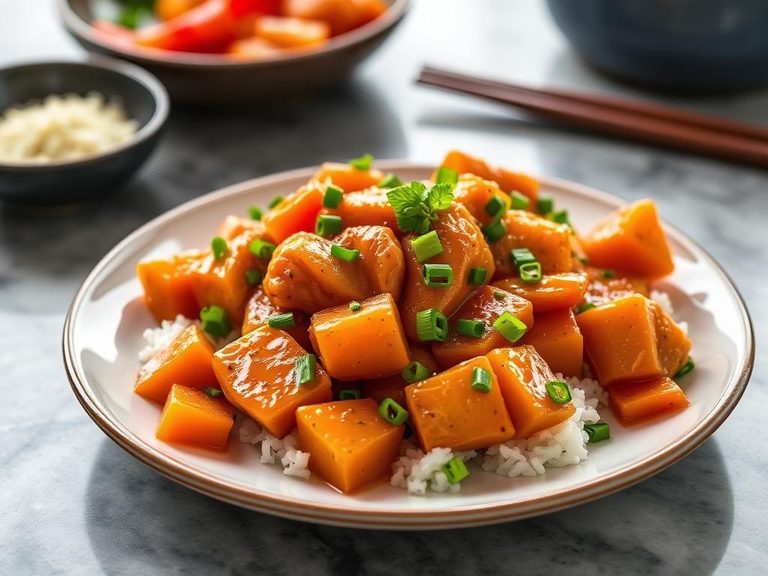
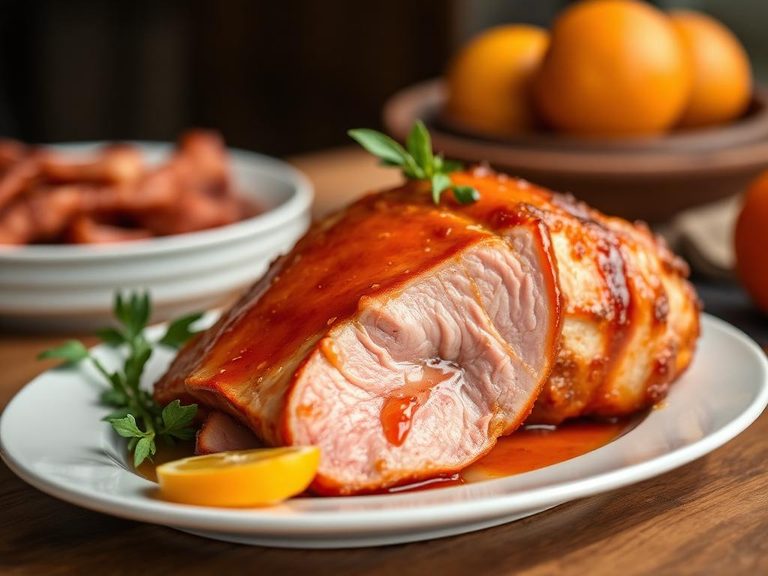
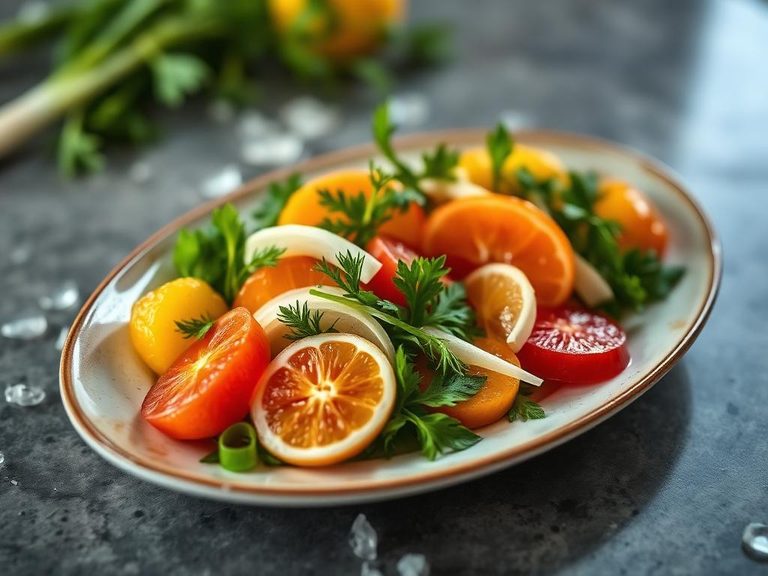
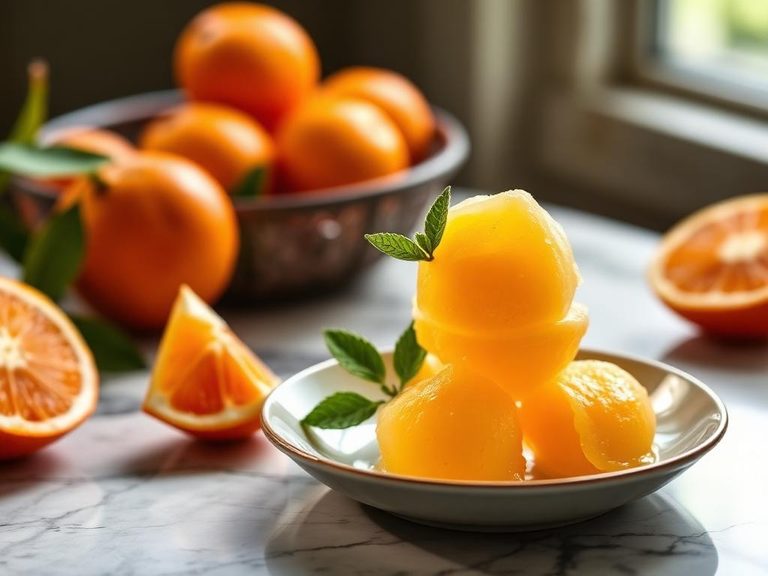
🍽️ Popular dishes
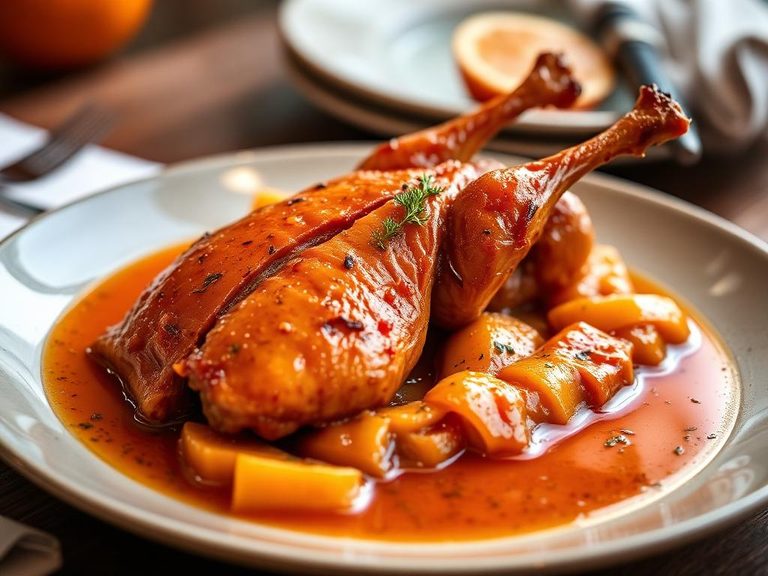
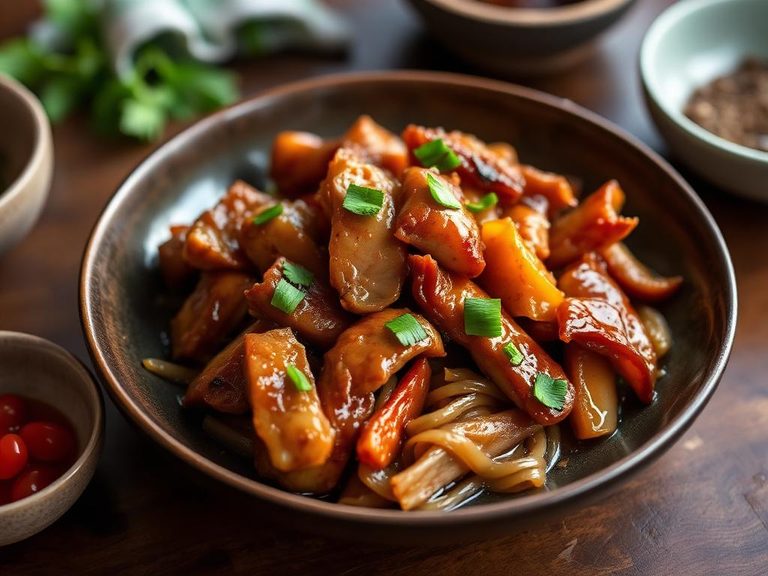
🌍 Where it's eaten
💡 Did you know?
The peel of the tangerine is used in traditional Chinese medicine as 'chenpi' (dried tangerine peel), which is aged for years and prized for its complex, savory-sweet aroma used in soups, teas, and braised dishes.
Full nutrition (USDA data · scales with serving)
| Water | 88.9 g |
| Energy | 43.0 kcal |
| Energy | 180 kj |
| Protein | 0.50 g |
| Total lipid (fat) | 0.20 g |
| Ash | 0.30 g |
| Carbohydrate, by difference | 10.1 g |
| Fiber, total dietary | 0.20 g |
| Total Sugars | 9.9 g |
| Calcium, Ca | 18.0 mg |
| Iron, Fe | 0.20 mg |
| Magnesium, Mg | 8.0 mg |
| Phosphorus, P | 14.0 mg |
| Potassium, K | 178 mg |
| Sodium, Na | 1.0 mg |
| Zinc, Zn | 0.03 mg |
| Copper, Cu | 0.03 mg |
| Manganese, Mn | 0.04 mg |
| Selenium, Se | 0.10 ug |
| Vitamin C, total ascorbic acid | 31.0 mg |
| Thiamin | 0.06 mg |
| Riboflavin | 0.02 mg |
| Niacin | 0.10 mg |
| Pantothenic acid | 0.13 mg |
| Vitamin B-6 | 0.04 mg |
| Folate, total | 5.0 ug |
| Folic acid | 0.00 ug |
| Folate, food | 5.0 ug |
| Folate, DFE | 5.0 ug |
| Choline, total | 6.2 mg |
| Vitamin B-12 | 0.00 ug |
| Vitamin B-12, added | 0.00 ug |
| Vitamin A, RAE | 13.0 ug |
| Retinol | 0.00 ug |
| Carotene, beta | 38.0 ug |
| Carotene, alpha | 14.0 ug |
| Cryptoxanthin, beta | 214 ug |
| Vitamin A, IU | 253 iu |
| Lycopene | 0.00 ug |
| Lutein + zeaxanthin | 166 ug |
| Vitamin E (alpha-tocopherol) | 0.13 mg |
| Vitamin E, added | 0.00 mg |
| Vitamin D (D2 + D3), International Units | 0.00 iu |
| Vitamin D (D2 + D3) | 0.00 ug |
| Vitamin K (phylloquinone) | 0.00 ug |
| Alcohol, ethyl | 0.00 g |
| Caffeine | 0.00 mg |
| Theobromine | 0.00 mg |
Fat & fatty acid profile (per 100g)
| Fatty acids, total saturated | 0.02 g |
| SFA 4:0 | 0.00 g |
| SFA 6:0 | 0.00 g |
| SFA 8:0 | 0.00 g |
| SFA 10:0 | 0.00 g |
| SFA 12:0 | 0.00 g |
| SFA 14:0 | 0.00 g |
| SFA 16:0 | 0.02 g |
| SFA 18:0 | 0.00 g |
| Fatty acids, total monounsaturated | 0.04 g |
| MUFA 16:1 | 0.01 g |
| MUFA 18:1 | 0.03 g |
| MUFA 20:1 | 0.00 g |
| MUFA 22:1 | 0.00 g |
| Fatty acids, total polyunsaturated | 0.04 g |
| PUFA 18:2 | 0.03 g |
| PUFA 18:3 | 0.01 g |
| PUFA 18:4 | 0.00 g |
| PUFA 20:4 | 0.00 g |
| PUFA 20:5 n-3 (EPA) | 0.00 g |
| PUFA 22:5 n-3 (DPA) | 0.00 g |
| PUFA 22:6 n-3 (DHA) | 0.00 g |
| Fatty acids, total trans | 0.00 g |
| Cholesterol | 0.00 mg |
Amino acid profile (per 100g)
| Tryptophan | 0.00 g |
| Threonine | 0.01 g |
| Isoleucine | 0.01 g |
| Leucine | 0.01 g |
| Lysine | 0.01 g |
| Methionine | 0.00 g |
| Cystine | 0.00 g |
| Phenylalanine | 0.01 g |
| Tyrosine | 0.00 g |
| Valine | 0.01 g |
| Arginine | 0.03 g |
| Histidine | 0.00 g |
| Alanine | 0.01 g |
| Aspartic acid | 0.05 g |
| Glutamic acid | 0.02 g |
| Glycine | 0.01 g |
| Proline | 0.03 g |
| Serine | 0.01 g |
FAQ
How does tangerine juice differ from orange juice?
Tangerine juice is typically sweeter, less acidic, and has a more floral, honey-like note compared to the brighter, tarter profile of common orange juice. It's also often slightly thinner in consistency.
Is the sugar in tangerine juice bad for you?
The sugar is naturally occurring fructose, which comes packaged with fiber (if pulp is included), water, and nutrients. However, in juice form, the lack of fiber means the sugar is absorbed quickly. Enjoying it in moderation, especially with meals, is key.
Can I use tangerine juice in cooking?
Absolutely! Its sweet, aromatic flavor is fantastic in glazes for poultry or pork, in salad dressings, as a base for syrups, or in marinades to tenderize and flavor meat.
Nutrient density (calculated · NRF9.3)
Nutrient Rich Foods index: beneficial nutrients (protein, fiber, vitamins, minerals) minus saturated fat, added sugar & sodium, per 100 kcal.
NRF9.3 index — Fulgoni, Keast & Drewnowski, 2009. Computed from USDA nutrients.
Weight-loss friendliness (composite index)
Energy density 0.43 kcal/g · 5% calories from protein · 0.2 g fiber · 9.9 g sugar per 100 g.
Composite of energy density (Rolls et al., 1999), protein & fiber satiety, minus sugar. A calculated heuristic — ranks satiety-per-calorie, not a clinical measure.
Dietary load (calculated from USDA values)
Potential renal acid load. Positive = acid-forming, negative = alkaline-forming.
Sodium-to-potassium ratio: 0.01 (lower is better — aim for ≤ 1)
Sodium:potassium per WHO potassium guidance. Computed from USDA nutrients.