

Shortening, household, soybean (partially hydrogenated)-cottonseed (partially hydrogenated)
Whole food · Fats and Oils

Photo: Wikipedia
This is a classic, shelf-stable solid fat blend made from partially hydrogenated soybean and cottonseed oils, designed for baking and frying. It has a neutral flavor and a smooth, creamy texture that becomes flaky when solid, making it ideal for creating tender pastries and crisp fried foods. Nutritionally, it is 100% fat, providing a dense 884 kcal per 100 grams.
Calorie split: 0% protein · 0% carbs · 100% fat
↓ Full nutrition💚 Why it's loved
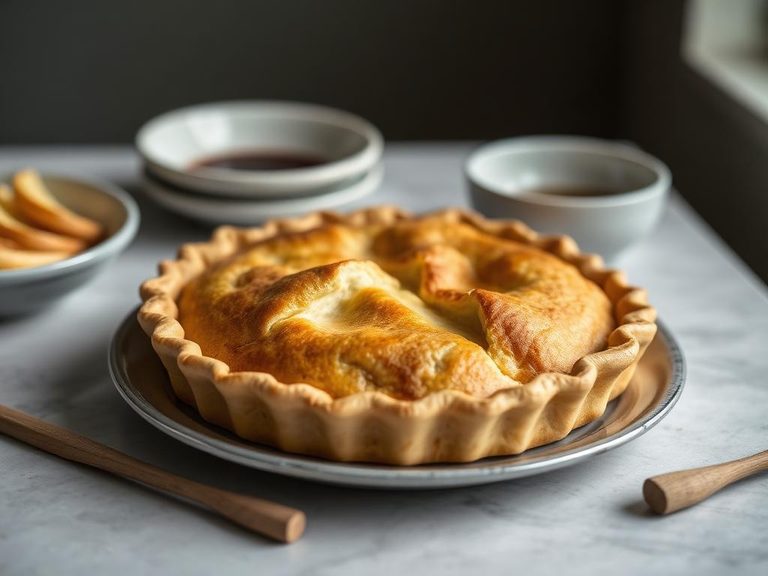
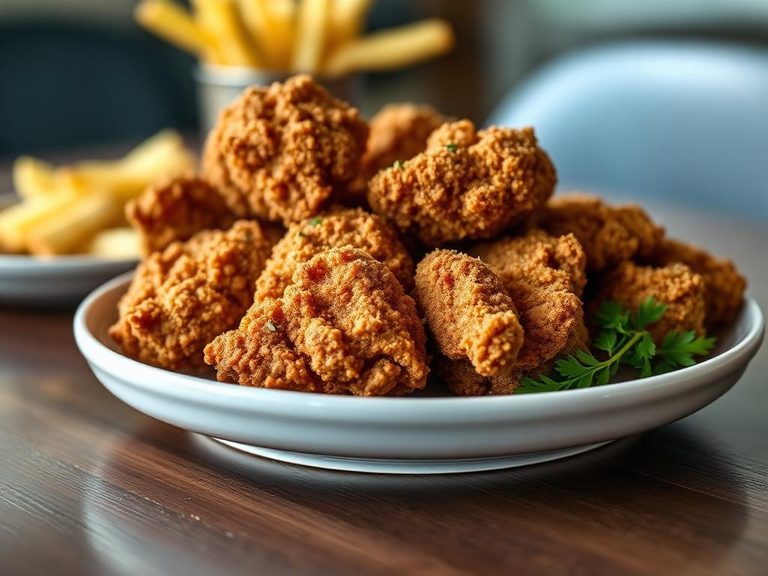
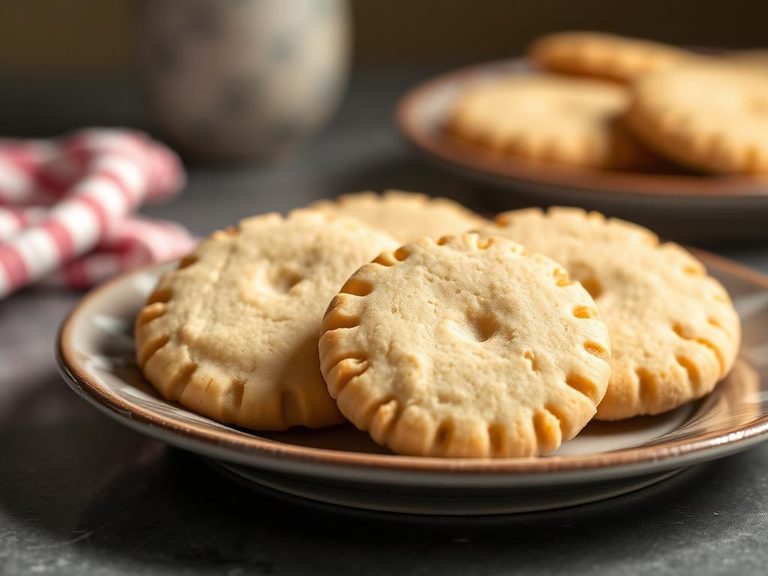
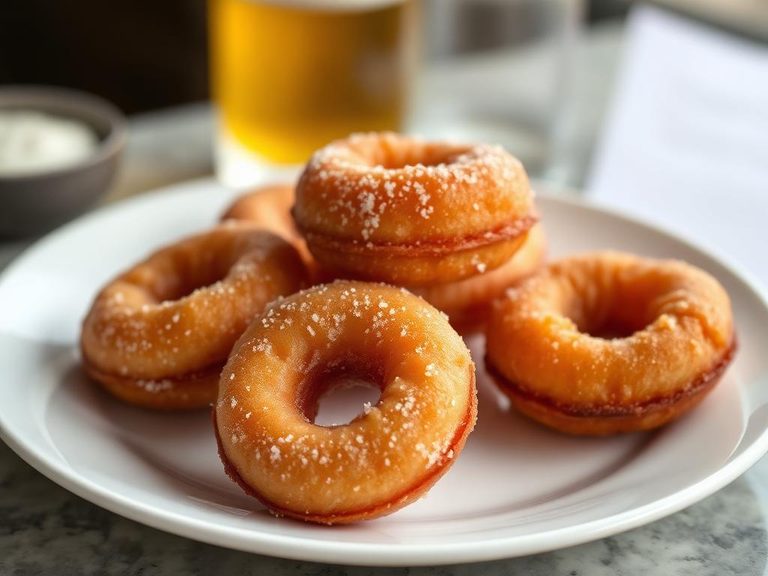
Bakers and cooks love it for its unparalleled ability to create flaky pie crusts, biscuits, and fried foods with a light, crisp texture. Its neutral taste and long shelf life make it a reliable, versatile staple in many home and commercial kitchens.
⚠️ Watch-outs & how to enjoy it better
It is high in saturated fat and may contain trans fats from partial hydrogenation, which are linked to heart health concerns. To mitigate this, use it sparingly, balance meals with fiber and lean protein, and consider using healthier oils like canola or avocado oil for general cooking.
Key benefits
- Provides a very high smoke point for frying
- Creates a flaky, tender texture in baked goods
- Long shelf life and stable at room temperature
- Neutral flavor does not overpower other ingredients
- Cost-effective for large-scale baking and frying
🍽️ Popular dishes

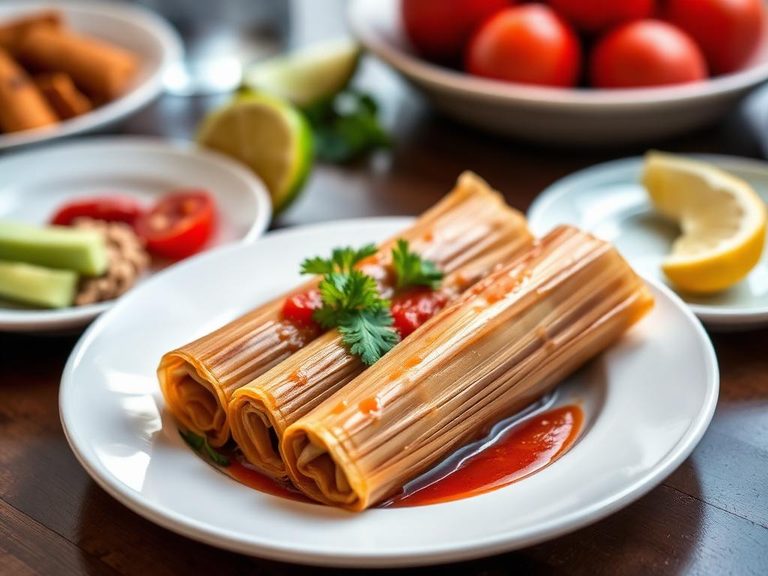
🌍 Where it's eaten
💡 Did you know?
The brand name 'Crisco' was derived from the initials of 'Crystallized Cottonseed Oil' and revolutionized home baking in the early 20th century by providing a shelf-stable, vegetable-based alternative to lard.
Full nutrition (USDA data · scales with serving)
| Water | 0.00 g |
| Energy | 884 kcal |
| Energy | 3699 kj |
| Protein | 0.00 g |
| Total lipid (fat) | 100 g |
| Ash | 0.00 g |
| Carbohydrate, by difference | 0.00 g |
| Fiber, total dietary | 0.00 g |
| Total Sugars | 0.00 g |
| Calcium, Ca | 0.00 mg |
| Iron, Fe | 0.00 mg |
| Magnesium, Mg | 0.00 mg |
| Phosphorus, P | 0.00 mg |
| Potassium, K | 0.00 mg |
| Sodium, Na | 0.00 mg |
| Zinc, Zn | 0.00 mg |
| Copper, Cu | 0.00 mg |
| Selenium, Se | 0.00 ug |
| Vitamin C, total ascorbic acid | 0.00 mg |
| Thiamin | 0.00 mg |
| Riboflavin | 0.00 mg |
| Niacin | 0.00 mg |
| Pantothenic acid | 0.00 mg |
| Vitamin B-6 | 0.00 mg |
| Folate, total | 0.00 ug |
| Folic acid | 0.00 ug |
| Folate, food | 0.00 ug |
| Folate, DFE | 0.00 ug |
| Choline, total | 0.20 mg |
| Vitamin B-12 | 0.00 ug |
| Vitamin B-12, added | 0.00 ug |
| Vitamin A, RAE | 0.00 ug |
| Retinol | 0.00 ug |
| Carotene, beta | 0.00 ug |
| Carotene, alpha | 0.00 ug |
| Cryptoxanthin, beta | 0.00 ug |
| Vitamin A, IU | 0.00 iu |
| Lycopene | 0.00 ug |
| Lutein + zeaxanthin | 0.00 ug |
| Vitamin E (alpha-tocopherol) | 6.1 mg |
| Vitamin E, added | 0.00 mg |
| Tocopherol, beta | 0.44 mg |
| Tocopherol, gamma | 32.3 mg |
| Tocopherol, delta | 15.4 mg |
| Vitamin D (D2 + D3), International Units | 0.00 iu |
| Vitamin D (D2 + D3) | 0.00 ug |
| Vitamin K (phylloquinone) | 43.0 ug |
| Alcohol, ethyl | 0.00 g |
| Caffeine | 0.00 mg |
| Theobromine | 0.00 mg |
Fat & fatty acid profile (per 100g)
| Fatty acids, total saturated | 25.0 g |
| SFA 4:0 | 0.00 g |
| SFA 6:0 | 0.00 g |
| SFA 8:0 | 0.00 g |
| SFA 10:0 | 0.00 g |
| SFA 12:0 | 0.00 g |
| SFA 14:0 | 0.40 g |
| SFA 16:0 | 14.1 g |
| SFA 18:0 | 10.6 g |
| Fatty acids, total monounsaturated | 44.5 g |
| MUFA 16:1 | 0.00 g |
| MUFA 18:1 | 44.5 g |
| MUFA 20:1 | 0.00 g |
| MUFA 22:1 | 0.00 g |
| Fatty acids, total polyunsaturated | 26.1 g |
| PUFA 18:2 | 24.5 g |
| PUFA 18:3 | 1.6 g |
| PUFA 18:4 | 0.00 g |
| PUFA 20:4 | 0.00 g |
| PUFA 20:5 n-3 (EPA) | 0.00 g |
| PUFA 22:5 n-3 (DPA) | 0.00 g |
| PUFA 22:6 n-3 (DHA) | 0.00 g |
| Cholesterol | 0.00 mg |
| Phytosterols | 200 mg |
Amino acid profile (per 100g)
| Tryptophan | 0.00 g |
| Threonine | 0.00 g |
| Isoleucine | 0.00 g |
| Leucine | 0.00 g |
| Lysine | 0.00 g |
| Methionine | 0.00 g |
| Cystine | 0.00 g |
| Phenylalanine | 0.00 g |
| Tyrosine | 0.00 g |
| Valine | 0.00 g |
| Arginine | 0.00 g |
| Histidine | 0.00 g |
| Alanine | 0.00 g |
| Aspartic acid | 0.00 g |
| Glutamic acid | 0.00 g |
| Glycine | 0.00 g |
| Proline | 0.00 g |
| Serine | 0.00 g |
FAQ
What is the difference between shortening and lard?
Shortening is 100% vegetable fat (like this soybean-cottonseed blend), while lard is rendered pig fat. Shortening is solid at room temperature and neutral in flavor, whereas lard has a distinctive savory flavor and a slightly different texture in baking.
Can I substitute butter for shortening in recipes?
Yes, but the results will differ. Butter contains water and milk solids, which can make baked goods less tender and slightly less flaky. For a direct 1:1 substitution, use a butter-flavored shortening or reduce the recipe's liquid slightly.
Why is this product partially hydrogenated?
Partial hydrogenation is a process that turns liquid vegetable oils into a solid or semi-solid fat at room temperature. This increases shelf life and provides the solid texture needed for creating flaky pastries, but it can also create trans fats.
Nutrient density (calculated · NRF9.3)
Nutrient Rich Foods index: beneficial nutrients (protein, fiber, vitamins, minerals) minus saturated fat, added sugar & sodium, per 100 kcal.
NRF9.3 index — Fulgoni, Keast & Drewnowski, 2009. Computed from USDA nutrients.
Weight-loss friendliness (composite index)
Energy density 8.84 kcal/g · 0% calories from protein · 0.0 g fiber · 0.0 g sugar per 100 g.
Composite of energy density (Rolls et al., 1999), protein & fiber satiety, minus sugar. A calculated heuristic — ranks satiety-per-calorie, not a clinical measure.
Dietary load (calculated from USDA values)
Potential renal acid load. Positive = acid-forming, negative = alkaline-forming.
Sodium:potassium per WHO potassium guidance. Computed from USDA nutrients.