

Shortening cake mix, soybean (hydrogenated) and cottonseed (hydrogenated)
Whole food · Fats and Oils

Photo: Wikipedia
This is a shelf-stable, solid fat blend made from fully hydrogenated soybean and cottonseed oils, designed for baking. It has a neutral, slightly waxy taste and a smooth, plastic-like texture that creates exceptionally flaky pastries and tender cakes. Nutritionally, it is 100% fat, providing a dense source of calories with no protein, carbohydrates, or micronutrients.
Calorie split: 0% protein · 0% carbs · 100% fat
↓ Full nutrition💚 Why it's loved
Bakers prize it for its unparalleled ability to create light, flaky layers in pie crusts and biscuits, a texture difficult to achieve with butter or liquid oils. Its neutral taste and reliable performance make it a versatile workhorse in both home and commercial kitchens.
⚠️ Watch-outs & how to enjoy it better
As a fully hydrogenated fat, it is very high in saturated fat and contains no beneficial nutrients, offering 'empty' calories. Those monitoring cardiovascular health or seeking whole-food ingredients should use it sparingly. To counteract, use it as a minor component in a recipe, not the primary fat, and balance the meal with fiber and protein-rich sides.
Key benefits
- Creates superior flakiness in pie crusts and pastries
- Provides a neutral flavor that doesn't compete with other ingredients
- Offers excellent shelf stability and consistent baking performance
- Has a high smoke point, suitable for some frying applications
- Delivers a tender, soft crumb in cakes and biscuits
🍽️ Popular dishes
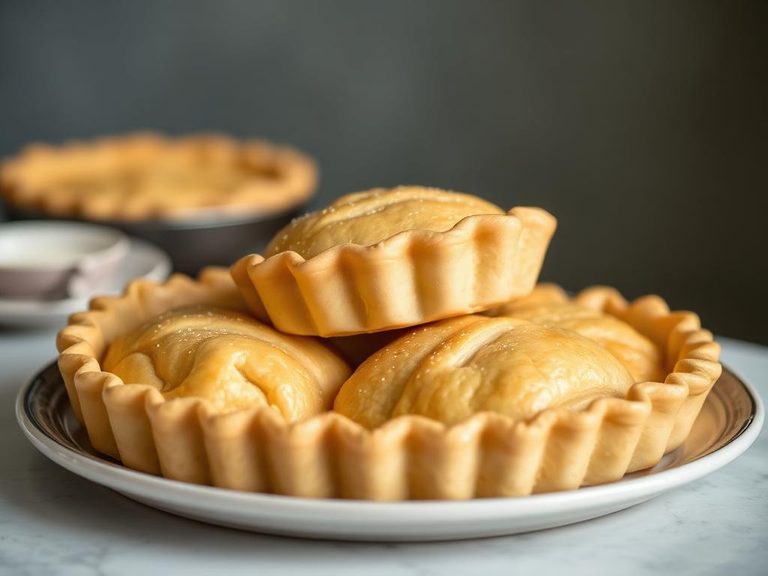
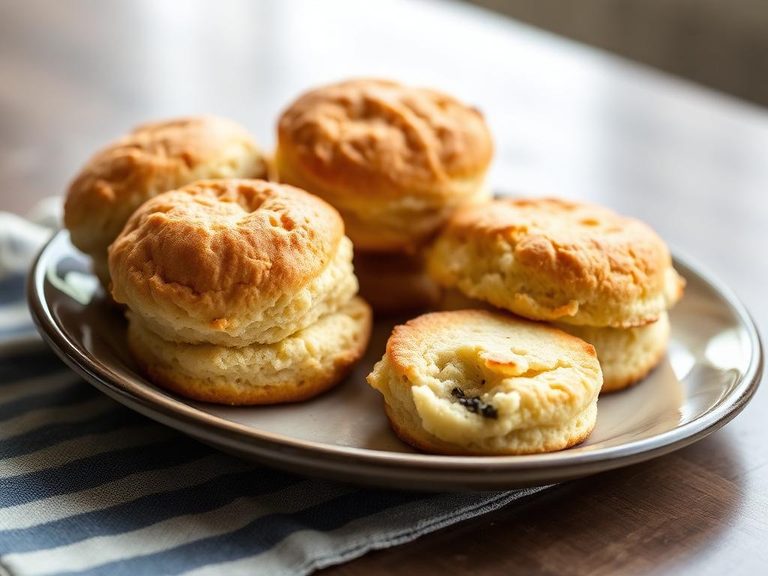
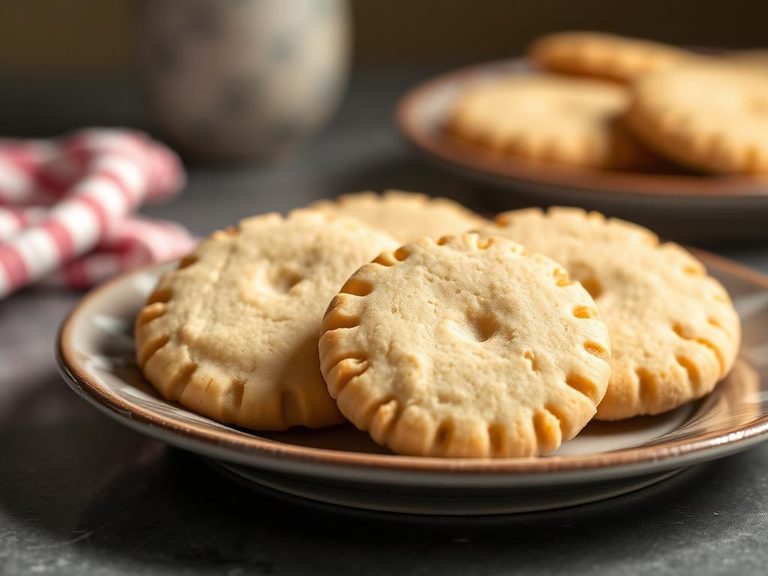
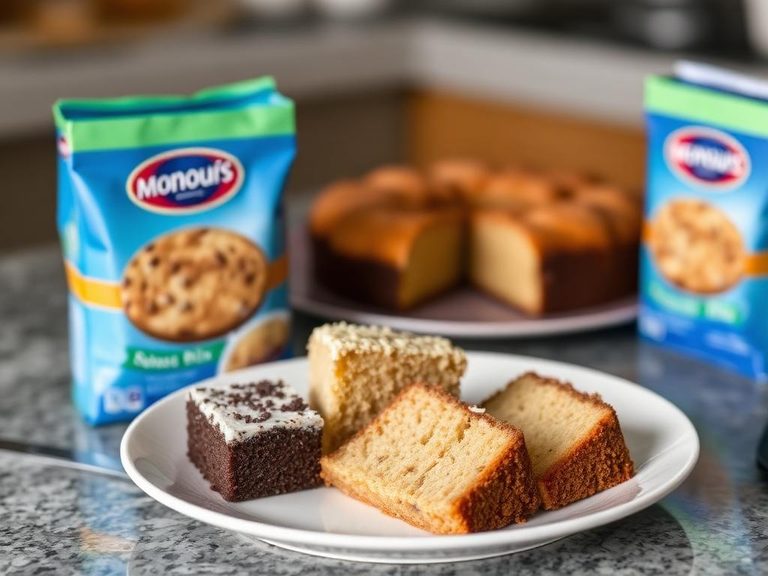
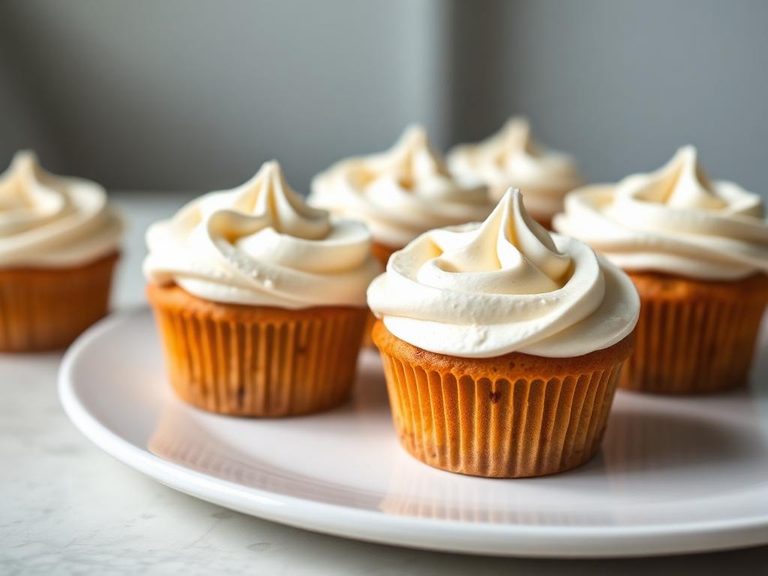
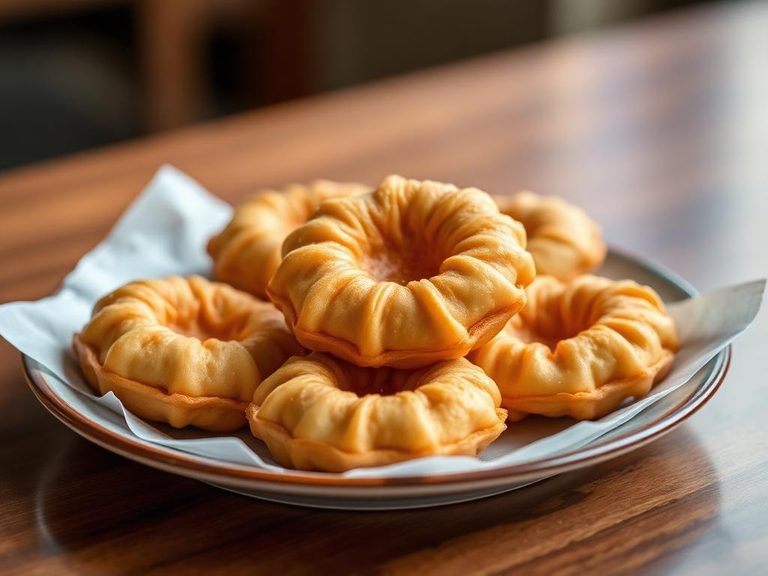
🌍 Where it's eaten
💡 Did you know?
The term 'shortening' comes from its ability to 'shorten' gluten strands in dough, which is the scientific mechanism that makes pastries tender and crumbly rather than tough and chewy.
Full nutrition (USDA data · scales with serving)
| Water | 0.00 g |
| Energy | 884 kcal |
| Energy | 3699 kj |
| Protein | 0.00 g |
| Total lipid (fat) | 100 g |
| Ash | 0.00 g |
| Carbohydrate, by difference | 0.00 g |
| Fiber, total dietary | 0.00 g |
| Total Sugars | 0.00 g |
| Calcium, Ca | 0.00 mg |
| Iron, Fe | 0.00 mg |
| Magnesium, Mg | 0.00 mg |
| Phosphorus, P | 0.00 mg |
| Potassium, K | 0.00 mg |
| Sodium, Na | 0.00 mg |
| Zinc, Zn | 0.00 mg |
| Copper, Cu | 0.00 mg |
| Selenium, Se | 0.00 ug |
| Vitamin C, total ascorbic acid | 0.00 mg |
| Thiamin | 0.00 mg |
| Riboflavin | 0.00 mg |
| Niacin | 0.00 mg |
| Pantothenic acid | 0.00 mg |
| Vitamin B-6 | 0.00 mg |
| Folate, total | 0.00 ug |
| Folic acid | 0.00 ug |
| Folate, food | 0.00 ug |
| Folate, DFE | 0.00 ug |
| Choline, total | 0.20 mg |
| Vitamin B-12 | 0.00 ug |
| Vitamin B-12, added | 0.00 ug |
| Vitamin A, RAE | 0.00 ug |
| Retinol | 0.00 ug |
| Carotene, beta | 0.00 ug |
| Carotene, alpha | 0.00 ug |
| Cryptoxanthin, beta | 0.00 ug |
| Vitamin A, IU | 0.00 iu |
| Lycopene | 0.00 ug |
| Lutein + zeaxanthin | 0.00 ug |
| Vitamin E (alpha-tocopherol) | 6.1 mg |
| Vitamin E, added | 0.00 mg |
| Tocopherol, beta | 0.44 mg |
| Tocopherol, gamma | 32.3 mg |
| Tocopherol, delta | 15.4 mg |
| Vitamin D (D2 + D3), International Units | 0.00 iu |
| Vitamin D (D2 + D3) | 0.00 ug |
| Vitamin K (phylloquinone) | 43.0 ug |
| Alcohol, ethyl | 0.00 g |
| Caffeine | 0.00 mg |
| Theobromine | 0.00 mg |
Fat & fatty acid profile (per 100g)
| Fatty acids, total saturated | 27.2 g |
| SFA 4:0 | 0.00 g |
| SFA 6:0 | 0.00 g |
| SFA 8:0 | 0.00 g |
| SFA 10:0 | 0.00 g |
| SFA 12:0 | 0.10 g |
| SFA 14:0 | 0.40 g |
| SFA 16:0 | 18.0 g |
| SFA 18:0 | 8.8 g |
| Fatty acids, total monounsaturated | 54.2 g |
| MUFA 16:1 | 0.00 g |
| MUFA 18:1 | 54.2 g |
| MUFA 20:1 | 0.00 g |
| MUFA 22:1 | 0.00 g |
| Fatty acids, total polyunsaturated | 14.1 g |
| PUFA 18:2 | 13.1 g |
| PUFA 18:3 | 1.1 g |
| PUFA 18:4 | 0.00 g |
| PUFA 20:4 | 0.00 g |
| PUFA 20:5 n-3 (EPA) | 0.00 g |
| PUFA 22:5 n-3 (DPA) | 0.00 g |
| PUFA 22:6 n-3 (DHA) | 0.00 g |
| Cholesterol | 0.00 mg |
| Phytosterols | 200 mg |
Amino acid profile (per 100g)
| Tryptophan | 0.00 g |
| Threonine | 0.00 g |
| Isoleucine | 0.00 g |
| Leucine | 0.00 g |
| Lysine | 0.00 g |
| Methionine | 0.00 g |
| Cystine | 0.00 g |
| Phenylalanine | 0.00 g |
| Tyrosine | 0.00 g |
| Valine | 0.00 g |
| Arginine | 0.00 g |
| Histidine | 0.00 g |
| Alanine | 0.00 g |
| Aspartic acid | 0.00 g |
| Glutamic acid | 0.00 g |
| Glycine | 0.00 g |
| Proline | 0.00 g |
| Serine | 0.00 g |
FAQ
How does it differ from butter or lard?
Shortening is 100% fat with no water, unlike butter (which is ~80% fat, 15% water). This lack of water creates steam for extra lift in pastries. It has a more neutral flavor than lard and is 100% plant-based.
Is it the same as vegetable oil?
No. Vegetable oil is liquid at room temperature, while shortening is solid. Shortening is made by hydrogenating liquid vegetable oils, which changes their chemical structure and melting point.
Can I substitute it 1:1 with butter in recipes?
You can substitute by weight, but the results will differ. Butter adds flavor and contains water, which affects texture. For best results in delicate pastries, use a recipe specifically designed for shortening.
Nutrient density (calculated · NRF9.3)
Nutrient Rich Foods index: beneficial nutrients (protein, fiber, vitamins, minerals) minus saturated fat, added sugar & sodium, per 100 kcal.
NRF9.3 index — Fulgoni, Keast & Drewnowski, 2009. Computed from USDA nutrients.
Weight-loss friendliness (composite index)
Energy density 8.84 kcal/g · 0% calories from protein · 0.0 g fiber · 0.0 g sugar per 100 g.
Composite of energy density (Rolls et al., 1999), protein & fiber satiety, minus sugar. A calculated heuristic — ranks satiety-per-calorie, not a clinical measure.
Dietary load (calculated from USDA values)
Potential renal acid load. Positive = acid-forming, negative = alkaline-forming.
Sodium:potassium per WHO potassium guidance. Computed from USDA nutrients.