

Seaweed, laver, raw
Whole food · Vegetables and Vegetable Products
Laver is a paper-thin, dark purple-red seaweed that turns a deep, glossy green when cooked, with a delicate, almost melt-in-the-mouth texture. It has a distinctive, savory, umami-rich flavor often described as oceanic, smoky, and slightly sweet. Nutritionally, it's a low-calorie powerhouse, packing a surprising amount of plant-based protein per 100g.
Calorie split: 50% protein · 44% carbs · 5% fat
↓ Full nutrition💚 Why it's loved
People cherish laver for its unique, deep umami flavor that forms the savory backbone of iconic dishes like Welsh laverbread and Japanese nori. Its versatility allows it to be eaten raw, dried, or cooked into a paste, making it a beloved staple in coastal cuisines.
⚠️ Watch-outs & how to enjoy it better
Its strong, briny taste can be overpowering for some, and its iodine content, while beneficial, can be a concern for individuals with certain thyroid conditions. To enjoy it safely, those with thyroid issues should consult a doctor and practice portion control, while others can balance its intensity by pairing it with mild starches like potatoes or rice.
Key benefits
- Excellent source of iodine for thyroid function
- High in plant-based protein for a seaweed
- Rich in antioxidants like fucoxanthin
- Provides essential minerals like iron and magnesium
- Naturally low in calories and fat
🍽️ Popular dishes

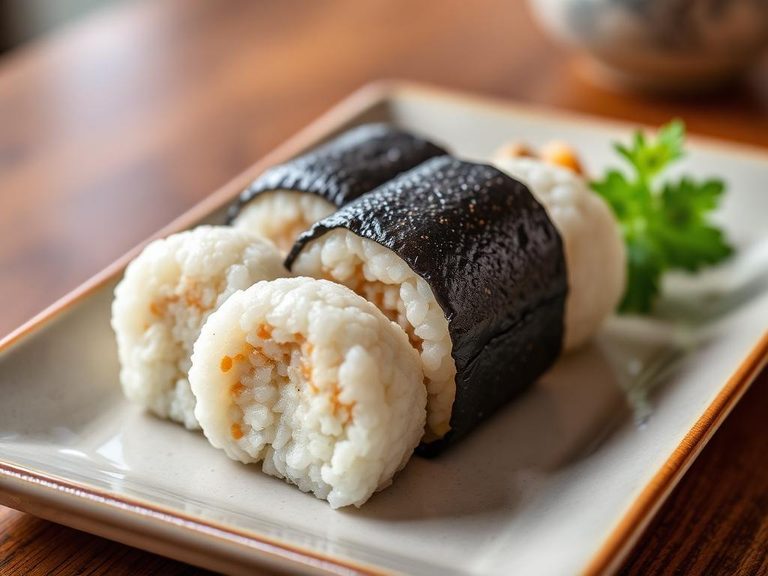
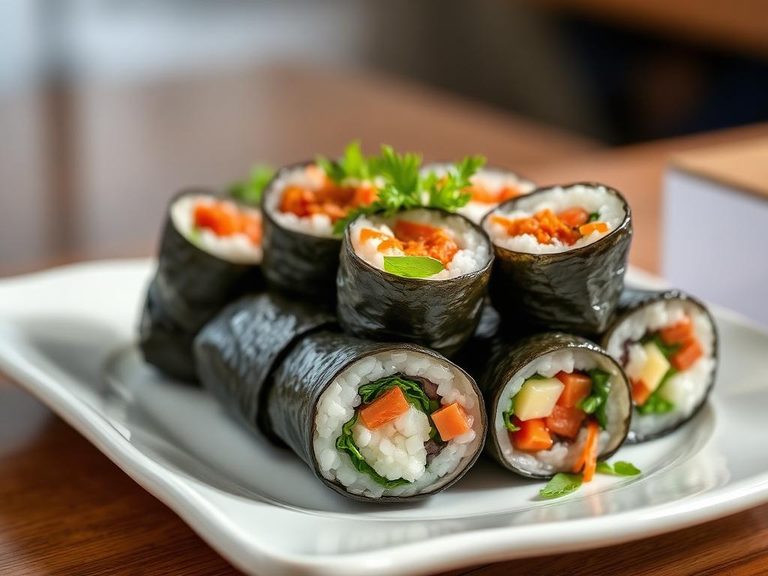
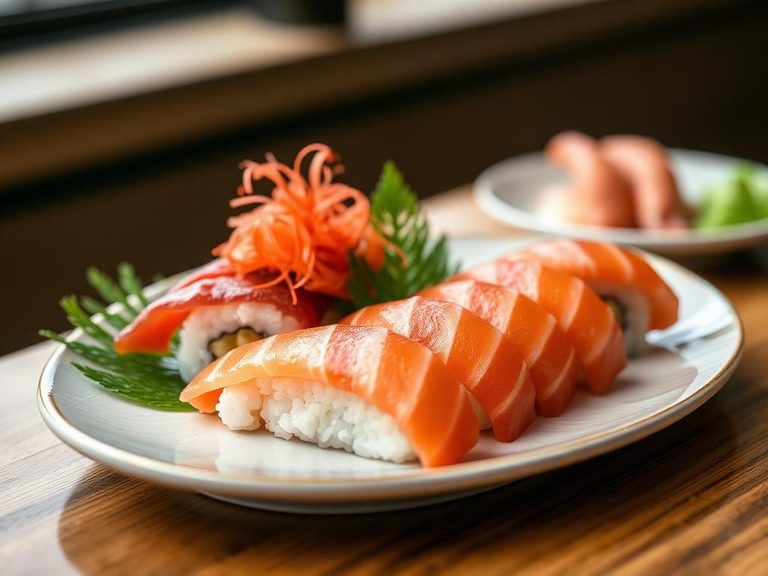
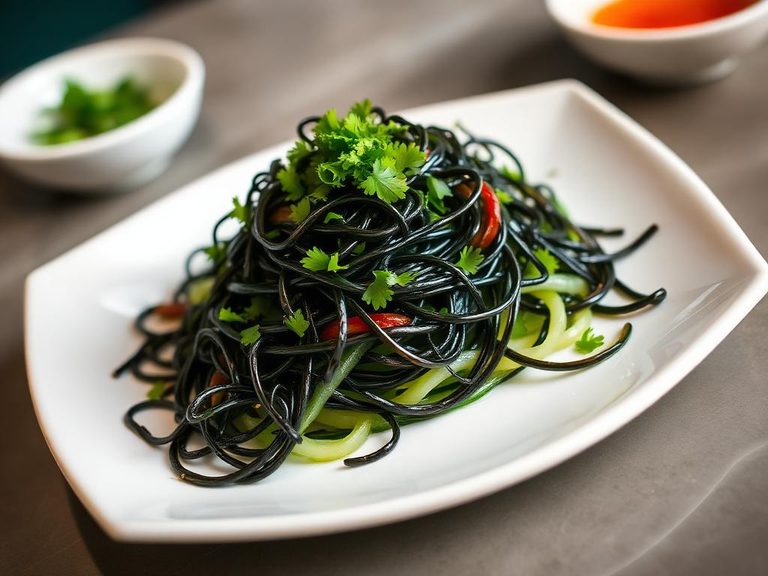
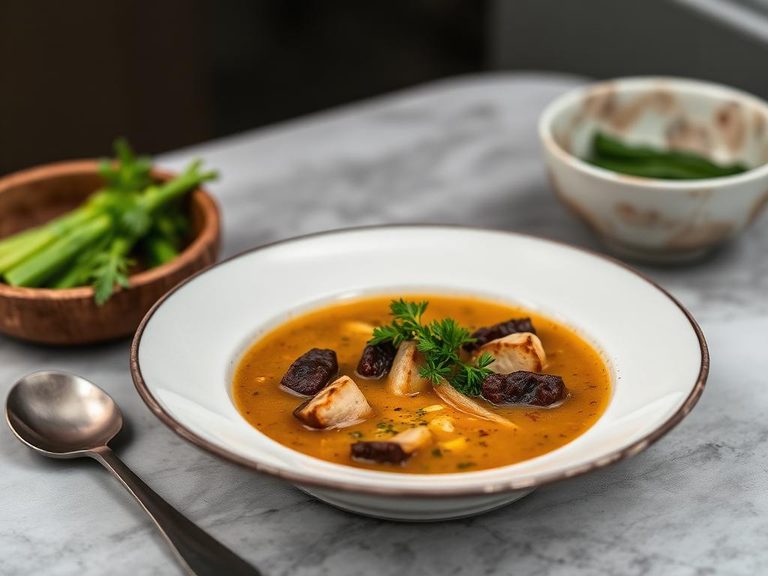
🌍 Where it's eaten
💡 Did you know?
The Welsh delicacy 'laverbread' (bara lawr) isn't a bread at all, but a paste made from boiled laver, traditionally rolled in oatmeal and fried as part of a full Welsh breakfast.
Full nutrition (USDA data · scales with serving)
| Water | 85.0 g |
| Energy | 35.0 kcal |
| Energy | 146 kj |
| Protein | 5.8 g |
| Total lipid (fat) | 0.28 g |
| Ash | 3.8 g |
| Carbohydrate, by difference | 5.1 g |
| Fiber, total dietary | 0.30 g |
| Total Sugars | 0.49 g |
| Calcium, Ca | 70.0 mg |
| Iron, Fe | 1.8 mg |
| Magnesium, Mg | 2.0 mg |
| Phosphorus, P | 58.0 mg |
| Potassium, K | 356 mg |
| Sodium, Na | 48.0 mg |
| Zinc, Zn | 1.1 mg |
| Copper, Cu | 0.26 mg |
| Manganese, Mn | 0.99 mg |
| Selenium, Se | 0.70 ug |
| Vitamin C, total ascorbic acid | 39.0 mg |
| Thiamin | 0.10 mg |
| Riboflavin | 0.45 mg |
| Niacin | 1.5 mg |
| Pantothenic acid | 0.52 mg |
| Vitamin B-6 | 0.16 mg |
| Folate, total | 146 ug |
| Folic acid | 0.00 ug |
| Folate, food | 146 ug |
| Folate, DFE | 146 ug |
| Choline, total | 10.4 mg |
| Vitamin B-12 | 0.00 ug |
| Vitamin B-12, added | 0.00 ug |
| Vitamin A, RAE | 260 ug |
| Retinol | 0.00 ug |
| Carotene, beta | 3121 ug |
| Carotene, alpha | 0.00 ug |
| Cryptoxanthin, beta | 0.00 ug |
| Vitamin A, IU | 5202 iu |
| Lycopene | 0.00 ug |
| Lutein + zeaxanthin | 0.00 ug |
| Vitamin E (alpha-tocopherol) | 1.0 mg |
| Vitamin E, added | 0.00 mg |
| Vitamin D (D2 + D3), International Units | 0.00 iu |
| Vitamin D (D2 + D3) | 0.00 ug |
| Vitamin K (phylloquinone) | 4.0 ug |
| Alcohol, ethyl | 0.00 g |
| Caffeine | 0.00 mg |
| Theobromine | 0.00 mg |
Fat & fatty acid profile (per 100g)
| Fatty acids, total saturated | 0.06 g |
| SFA 4:0 | 0.00 g |
| SFA 6:0 | 0.00 g |
| SFA 8:0 | 0.00 g |
| SFA 10:0 | 0.00 g |
| SFA 12:0 | 0.00 g |
| SFA 14:0 | 0.00 g |
| SFA 16:0 | 0.05 g |
| SFA 18:0 | 0.00 g |
| Fatty acids, total monounsaturated | 0.03 g |
| MUFA 16:1 | 0.01 g |
| MUFA 18:1 | 0.01 g |
| MUFA 20:1 | 0.01 g |
| MUFA 22:1 | 0.00 g |
| Fatty acids, total polyunsaturated | 0.11 g |
| PUFA 18:2 | 0.00 g |
| PUFA 18:3 | 0.00 g |
| PUFA 18:4 | 0.00 g |
| PUFA 20:4 | 0.01 g |
| PUFA 20:5 n-3 (EPA) | 0.08 g |
| PUFA 22:5 n-3 (DPA) | 0.00 g |
| PUFA 22:6 n-3 (DHA) | 0.00 g |
| Fatty acids, total trans | 0.00 g |
| Cholesterol | 0.00 mg |
Amino acid profile (per 100g)
| Tryptophan | 0.04 g |
| Threonine | 0.23 g |
| Isoleucine | 0.26 g |
| Leucine | 0.50 g |
| Lysine | 0.22 g |
| Methionine | 0.14 g |
| Cystine | 0.10 g |
| Phenylalanine | 0.27 g |
| Tyrosine | 0.25 g |
| Valine | 0.40 g |
| Arginine | 0.28 g |
| Histidine | 0.14 g |
| Alanine | 0.65 g |
| Aspartic acid | 0.57 g |
| Glutamic acid | 0.55 g |
| Glycine | 0.36 g |
| Proline | 0.25 g |
| Serine | 0.30 g |
FAQ
What's the difference between laver and nori?
Laver is the general name for edible seaweeds of the genus Porphyra, while nori is the Japanese name for specific species within that genus, most commonly used for sushi. Essentially, nori is a type of laver.
Can I eat laver raw?
Yes, laver can be eaten raw, as in some salads, but it is more commonly blanched, boiled, or dried and toasted to soften its texture and mellow its strong oceanic flavor.
How do I store fresh laver?
Fresh laver should be used quickly. Store it in the refrigerator in a sealed container with a damp paper towel and use within 1-2 days. It can also be blanched and frozen for longer storage.
Nutrient density (calculated · NRF9.3)
Nutrient Rich Foods index: beneficial nutrients (protein, fiber, vitamins, minerals) minus saturated fat, added sugar & sodium, per 100 kcal.
NRF9.3 index — Fulgoni, Keast & Drewnowski, 2009. Computed from USDA nutrients.
Weight-loss friendliness (composite index)
Energy density 0.35 kcal/g · 66% calories from protein · 0.3 g fiber · 0.5 g sugar per 100 g.
Composite of energy density (Rolls et al., 1999), protein & fiber satiety, minus sugar. A calculated heuristic — ranks satiety-per-calorie, not a clinical measure.
Dietary load (calculated from USDA values)
Potential renal acid load. Positive = acid-forming, negative = alkaline-forming.
Sodium-to-potassium ratio: 0.13 (lower is better — aim for ≤ 1)
Sodium:potassium per WHO potassium guidance. Computed from USDA nutrients.