Laverbread (Welsh)
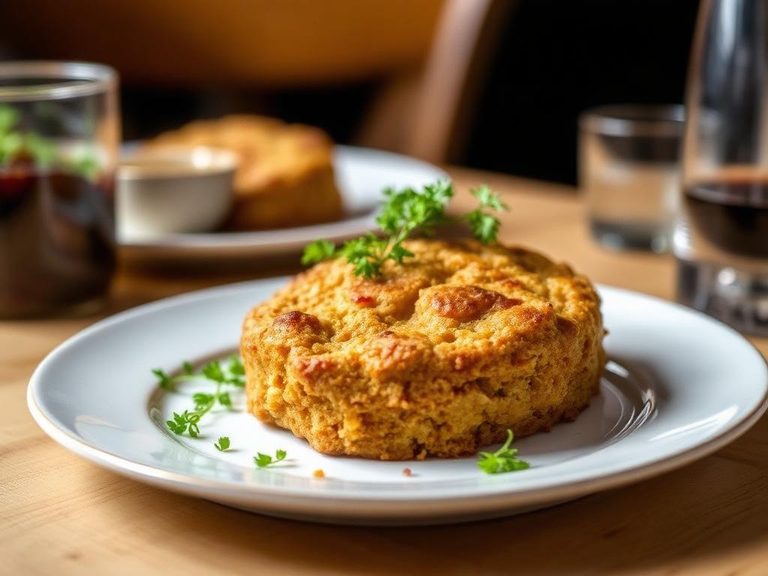
Laverbread, or 'bara lawr' in Welsh, is a traditional Welsh delicacy made from edible laver seaweed that has been washed, boiled for several hours, and minced into a soft, dark green paste. It is typically served fried in bacon fat, often alongside bacon and cockles as part of a classic Welsh breakfast. The dish originates from the coastal regions of Wales, particularly around Swansea and the Gower Peninsula.
🍽️ Nutrition at a glance
Laverbread is naturally low in calories, fat, and carbohydrates, but is an excellent source of protein and dietary fiber. It is exceptionally rich in iodine, iron, and vitamins A and C, making it a nutrient-dense addition to a meal.
Nutrition breakdown
| Calories | 25 kcal |
| Protein | 4 g |
| Carbs | 1.5 g |
| Fat | 0.5 g |
| Fiber | 3 g |
| Sugar | 0.2 g |
| Sodium | 380 mg |
| Iodine | 1800 µg |
| Iron | 6.0 mg |
| Vitamin A | 850 µg RAE |
| Vitamin C | 12 mg |
| Folate | 120 µg |
| Magnesium | 45 mg |
| Manganese | 0.8 mg |
| Vitamin K | 45 µg |
Per 1/4 cup (60 g) · estimated, varies by recipe
💡 What's interesting
Culturally, laverbread is a cornerstone of Welsh coastal cuisine and is traditionally harvested by hand from rocks at low tide. Nutritionally, it is one of the richest natural sources of iodine, a mineral essential for thyroid function, and its mineral content is far more concentrated than that of most land vegetables.