

Salad dressing, sweet and sour
Whole food · Fats and Oils
Sweet and sour dressing is a translucent, glossy sauce with a vibrant, tangy-sweet flavor profile, often with a reddish or amber hue. It delivers a sharp, vinegar-forward kick balanced by a sugary finish, creating a thin, pourable consistency that coats lightly. Nutritionally, it is very low in calories and fat, with nearly all its energy coming from simple sugars.
Calorie split: 3% protein · 97% carbs · 0% fat
↓ Full nutrition💚 Why it's loved
People love it for its addictive sweet-tangy punch that instantly brightens salads, appetizers, and fried dishes. Its versatility allows it to be a dip, a marinade, or a finishing sauce, making it a staple in many Asian-inspired and fusion meals.
⚠️ Watch-outs & how to enjoy it better
Its primary downside is that it is essentially liquid sugar (3.7g per 100g), which can cause rapid blood sugar spikes if consumed in large amounts. Those monitoring sugar intake should use it sparingly. To mitigate this, pair it with protein-rich foods (like grilled chicken or tofu) or fiber-rich vegetables to slow sugar absorption.
Key benefits
- Extremely low in calories (15 kcal per 100g)
- Fat-free and cholesterol-free
- Adds significant flavor with minimal caloric impact
- Can make plain vegetables more palatable
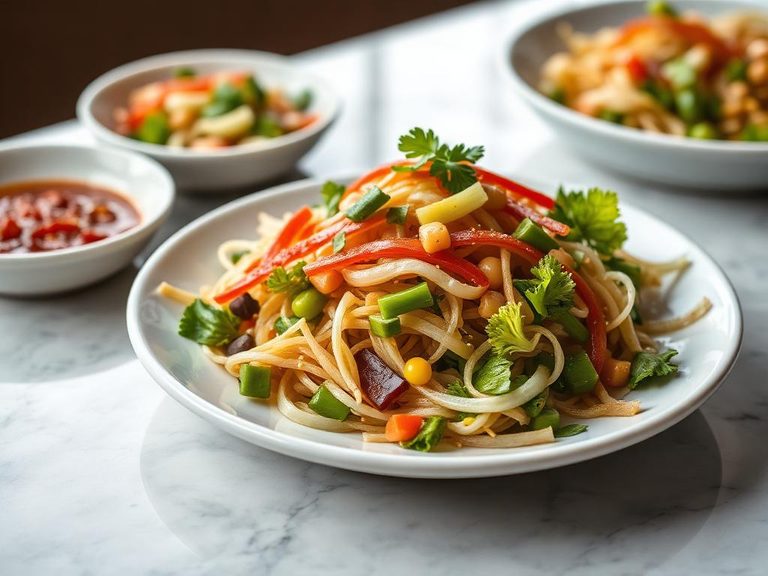
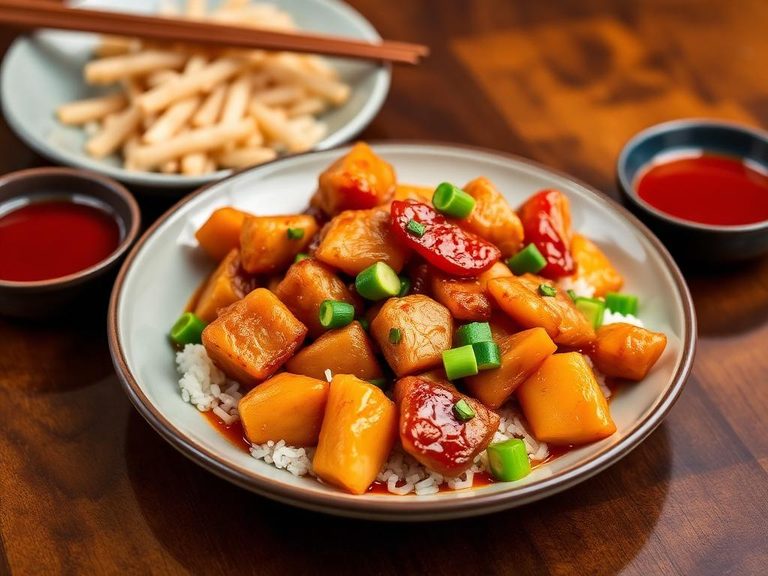
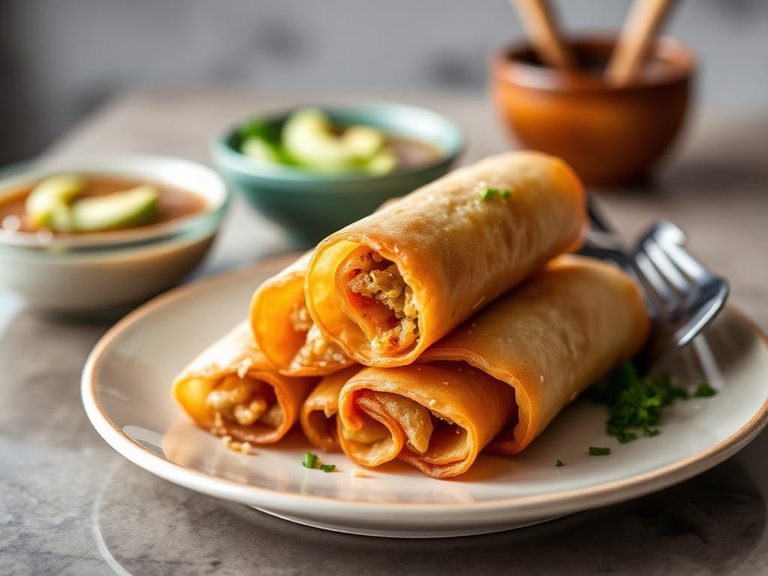
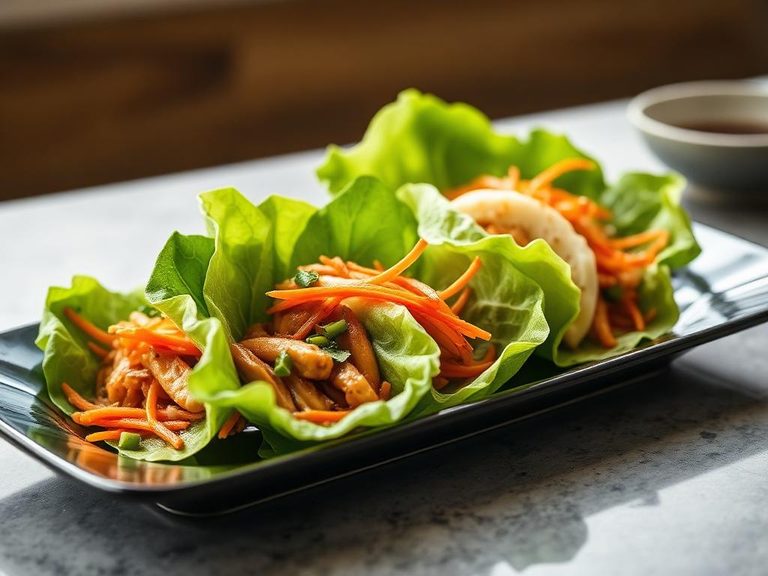
🍽️ Popular dishes
🌍 Where it's eaten
💡 Did you know?
The classic red color in many commercial sweet and sour dressings and sauces comes not from fruit, but from food coloring like Allura Red (Red 40), as the traditional base of vinegar and sugar is naturally pale.
Full nutrition (USDA data · scales with serving)
| Water | 95.7 g |
| Energy | 15.0 kcal |
| Energy | 63.0 kj |
| Protein | 0.10 g |
| Total lipid (fat) | 0.00 g |
| Ash | 0.50 g |
| Carbohydrate, by difference | 3.7 g |
| Fiber, total dietary | 0.00 g |
| Total Sugars | 3.7 g |
| Calcium, Ca | 4.0 mg |
| Iron, Fe | 0.04 mg |
| Magnesium, Mg | 3.0 mg |
| Phosphorus, P | 3.0 mg |
| Potassium, K | 33.0 mg |
| Sodium, Na | 208 mg |
| Zinc, Zn | 0.02 mg |
| Copper, Cu | 0.01 mg |
| Manganese, Mn | 0.06 mg |
| Selenium, Se | 1.6 ug |
| Vitamin C, total ascorbic acid | 8.1 mg |
| Thiamin | 0.01 mg |
| Riboflavin | 0.00 mg |
| Niacin | 0.06 mg |
| Pantothenic acid | 0.03 mg |
| Vitamin B-6 | 0.01 mg |
| Folate, total | 2.0 ug |
| Folic acid | 0.00 ug |
| Folate, food | 2.0 ug |
| Folate, DFE | 2.0 ug |
| Choline, total | 0.10 mg |
| Vitamin B-12 | 0.00 ug |
| Vitamin B-12, added | 0.00 ug |
| Vitamin A, RAE | 0.00 ug |
| Retinol | 0.00 ug |
| Carotene, beta | 0.00 ug |
| Carotene, alpha | 0.00 ug |
| Cryptoxanthin, beta | 0.00 ug |
| Vitamin A, IU | 0.00 iu |
| Lycopene | 0.00 ug |
| Lutein + zeaxanthin | 0.00 ug |
| Vitamin E (alpha-tocopherol) | 2.6 mg |
| Vitamin E, added | 0.00 mg |
| Vitamin D (D2 + D3), International Units | 0.00 iu |
| Vitamin D (D2 + D3) | 0.00 ug |
| Vitamin K (phylloquinone) | 39.6 ug |
| Alcohol, ethyl | 0.00 g |
| Caffeine | 0.00 mg |
| Theobromine | 0.00 mg |
Fat & fatty acid profile (per 100g)
| Fatty acids, total saturated | 0.00 g |
| SFA 4:0 | 0.00 g |
| SFA 6:0 | 0.00 g |
| SFA 8:0 | 0.00 g |
| SFA 10:0 | 0.00 g |
| SFA 12:0 | 0.00 g |
| SFA 14:0 | 0.00 g |
| SFA 16:0 | 0.00 g |
| SFA 18:0 | 0.00 g |
| Fatty acids, total monounsaturated | 0.00 g |
| MUFA 16:1 | 0.00 g |
| MUFA 18:1 | 0.00 g |
| MUFA 20:1 | 0.00 g |
| MUFA 22:1 | 0.00 g |
| Fatty acids, total polyunsaturated | 0.00 g |
| PUFA 18:2 | 0.00 g |
| PUFA 18:3 | 0.00 g |
| PUFA 18:4 | 0.00 g |
| PUFA 20:4 | 0.00 g |
| PUFA 20:5 n-3 (EPA) | 0.00 g |
| PUFA 22:5 n-3 (DPA) | 0.00 g |
| PUFA 22:6 n-3 (DHA) | 0.00 g |
| Cholesterol | 0.00 mg |
Amino acid profile (per 100g)
Estimated from Salad dressing, sesame seed dressing, regular — USDA does not publish this profile for Salad dressing.
| Tryptophan | 0.05 g |
| Threonine | 0.05 g |
| Isoleucine | 0.05 g |
| Leucine | 0.08 g |
| Lysine | 0.14 g |
| Methionine | 0.03 g |
| Cystine | 0.00 g |
| Phenylalanine | 0.09 g |
| Tyrosine | 0.10 g |
| Valine | 0.07 g |
| Arginine | 0.40 g |
| Histidine | 0.03 g |
| Alanine | 0.00 g |
| Aspartic acid | 0.00 g |
| Glutamic acid | 0.46 g |
| Glycine | 0.00 g |
| Proline | 0.00 g |
| Serine | 0.00 g |
FAQ
Is sweet and sour dressing the same as sweet chili sauce?
No. While both are sweet and tangy, sweet chili sauce is thicker, contains visible chili flakes, and often has a garlic and fish sauce base. Sweet and sour dressing is thinner, smoother, and more vinegar-sugar focused.
Can I use it as a marinade?
Yes, but with caution. Its high sugar content can cause burning if grilled or baked at high heat. It's best for short marinades or as a glaze applied during the last few minutes of cooking.
How long does homemade sweet and sour dressing last?
When stored in an airtight container in the refrigerator, homemade versions typically last for 1-2 weeks. Commercial bottled versions have preservatives and last longer unopened.
Nutrient density (calculated · NRF9.3)
Nutrient Rich Foods index: beneficial nutrients (protein, fiber, vitamins, minerals) minus saturated fat, added sugar & sodium, per 100 kcal.
NRF9.3 index — Fulgoni, Keast & Drewnowski, 2009. Computed from USDA nutrients.
Weight-loss friendliness (composite index)
Energy density 0.15 kcal/g · 3% calories from protein · 0.0 g fiber · 3.7 g sugar per 100 g.
Composite of energy density (Rolls et al., 1999), protein & fiber satiety, minus sugar. A calculated heuristic — ranks satiety-per-calorie, not a clinical measure.
Dietary load (calculated from USDA values)
Potential renal acid load. Positive = acid-forming, negative = alkaline-forming.
Sodium-to-potassium ratio: 6.30 (lower is better — aim for ≤ 1)
Sodium:potassium per WHO potassium guidance. Computed from USDA nutrients.