

Radishes, hawaiian style, pickled
Whole food · Vegetables and Vegetable Products
Hawaiian-style pickled radishes are crisp, vibrant pink slices of daikon or watermelon radish, quick-pickled in a tangy, slightly sweet vinegar brine. They offer a satisfying crunch with a bright, acidic punch that cuts through rich foods. Nutritionally, they are a very low-calorie, high-fiber condiment with minimal fat.
Calorie split: 16% protein · 75% carbs · 10% fat
↓ Full nutrition💚 Why it's loved
People love them for their vibrant color, addictive sweet-tart crunch, and ability to instantly brighten and balance heavy or fatty dishes. They are a staple condiment in Hawaiian plate lunches and a beloved element of local 'local food' culture.
⚠️ Watch-outs & how to enjoy it better
The primary concern is the high sodium content from the pickling brine, which can be an issue for those monitoring salt intake. The vinegar may also cause discomfort for individuals with acid reflux. To counteract, rinse slices lightly before serving, consume in moderation as a condiment rather than a main vegetable, and pair with low-sodium dishes.
Key benefits
- Extremely low in calories (28 kcal per 100g)
- Good source of dietary fiber (2.2g per 100g)
- Very low in fat (0.3g per 100g)
- Adds flavor and crunch without significant calories
- Contains natural compounds from radishes like vitamin C
🍽️ Popular dishes
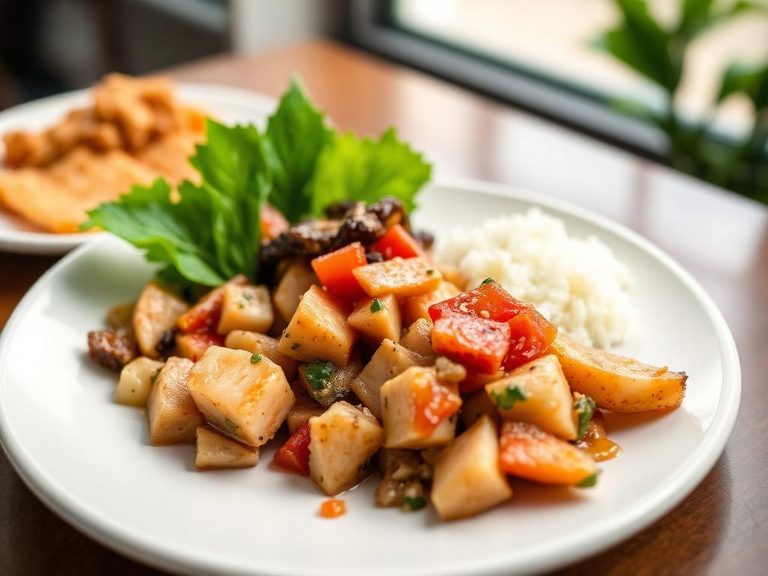
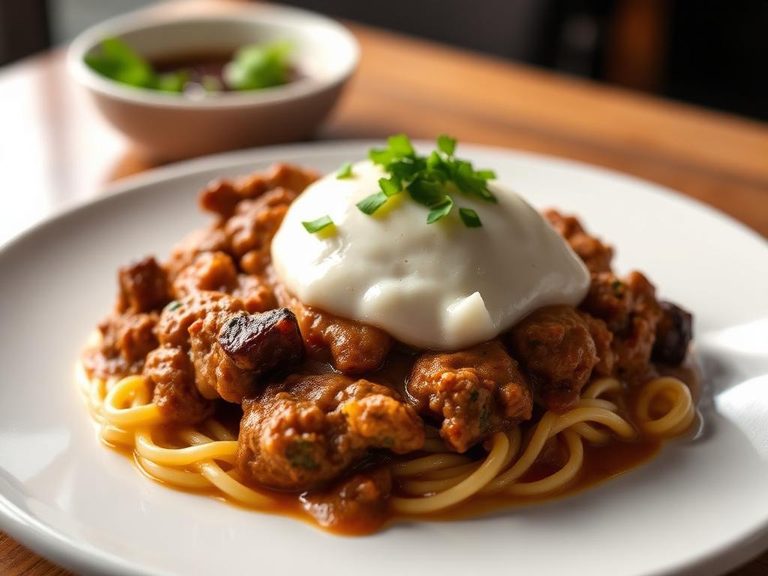
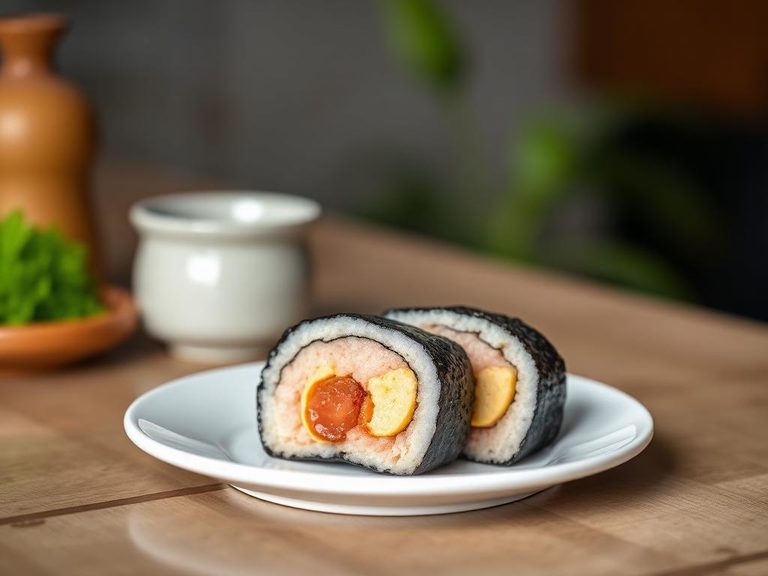
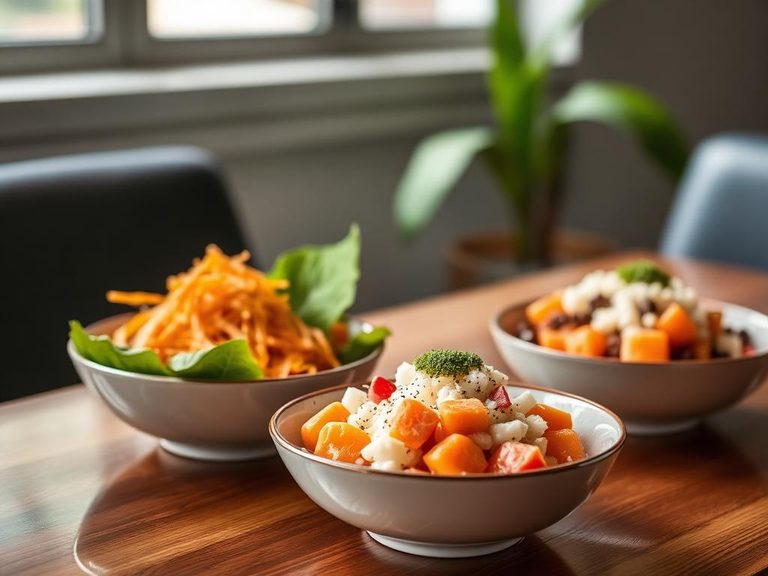
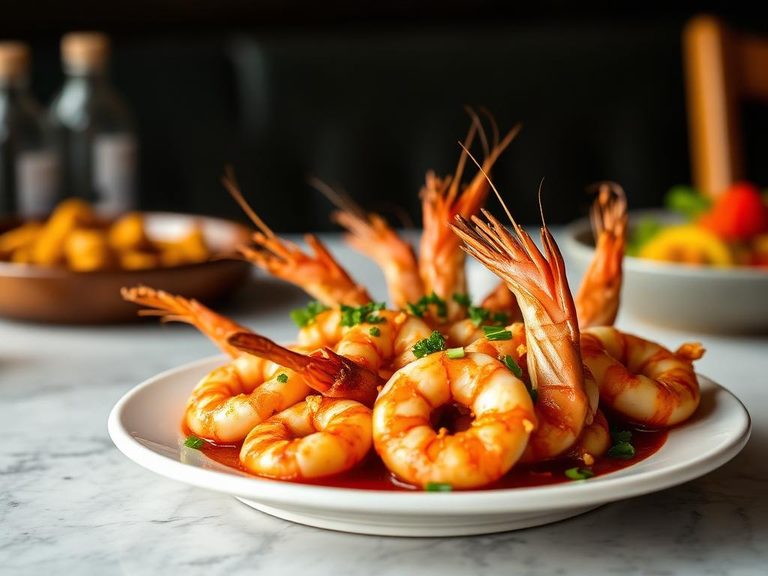
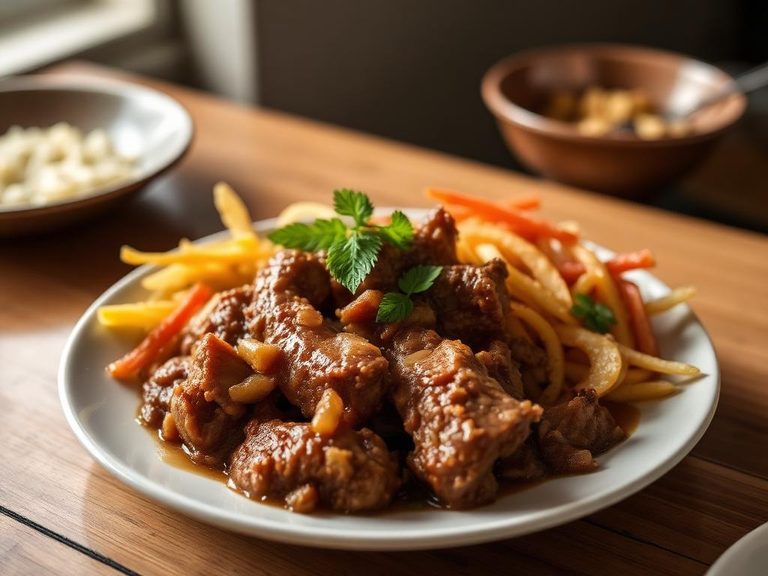
🌍 Where it's eaten
💡 Did you know?
The bright pink color often comes from the natural pigment in watermelon radishes or from a small amount of beet juice added to the brine, not from artificial dyes.
Full nutrition (USDA data · scales with serving)
| Water | 91.5 g |
| Energy | 28.0 kcal |
| Energy | 117 kj |
| Protein | 1.1 g |
| Total lipid (fat) | 0.30 g |
| Ash | 1.9 g |
| Carbohydrate, by difference | 5.2 g |
| Fiber, total dietary | 2.2 g |
| Total Sugars | 2.0 g |
| Calcium, Ca | 28.0 mg |
| Iron, Fe | 0.23 mg |
| Magnesium, Mg | 8.0 mg |
| Phosphorus, P | 31.0 mg |
| Potassium, K | 333 mg |
| Sodium, Na | 789 mg |
| Zinc, Zn | 0.22 mg |
| Copper, Cu | 0.17 mg |
| Manganese, Mn | 0.06 mg |
| Selenium, Se | 0.70 ug |
| Vitamin C, total ascorbic acid | 0.00 mg |
| Thiamin | 0.02 mg |
| Riboflavin | 0.03 mg |
| Niacin | 0.31 mg |
| Pantothenic acid | 0.20 mg |
| Vitamin B-6 | 0.10 mg |
| Folate, total | 9.0 ug |
| Folic acid | 0.00 ug |
| Folate, food | 9.0 ug |
| Folate, DFE | 9.0 ug |
| Choline, total | 11.6 mg |
| Vitamin B-12 | 0.00 ug |
| Vitamin B-12, added | 0.00 ug |
| Vitamin A, RAE | 0.00 ug |
| Retinol | 0.00 ug |
| Carotene, beta | 0.00 ug |
| Carotene, alpha | 0.00 ug |
| Cryptoxanthin, beta | 0.00 ug |
| Vitamin A, IU | 0.00 iu |
| Lycopene | 0.00 ug |
| Lutein + zeaxanthin | 0.00 ug |
| Vitamin E (alpha-tocopherol) | 0.00 mg |
| Vitamin E, added | 0.00 mg |
| Vitamin D (D2 + D3), International Units | 0.00 iu |
| Vitamin D (D2 + D3) | 0.00 ug |
| Vitamin K (phylloquinone) | 0.50 ug |
| Alcohol, ethyl | 0.00 g |
| Caffeine | 0.00 mg |
| Theobromine | 0.00 mg |
Fat & fatty acid profile (per 100g)
| Fatty acids, total saturated | 0.09 g |
| SFA 4:0 | 0.00 g |
| SFA 6:0 | 0.00 g |
| SFA 8:0 | 0.00 g |
| SFA 10:0 | 0.00 g |
| SFA 12:0 | 0.00 g |
| SFA 14:0 | 0.00 g |
| SFA 16:0 | 0.08 g |
| SFA 18:0 | 0.01 g |
| Fatty acids, total monounsaturated | 0.05 g |
| MUFA 16:1 | 0.00 g |
| MUFA 18:1 | 0.05 g |
| MUFA 20:1 | 0.00 g |
| MUFA 22:1 | 0.00 g |
| Fatty acids, total polyunsaturated | 0.14 g |
| PUFA 18:2 | 0.05 g |
| PUFA 18:3 | 0.09 g |
| PUFA 18:4 | 0.00 g |
| PUFA 20:4 | 0.00 g |
| PUFA 20:5 n-3 (EPA) | 0.00 g |
| PUFA 22:5 n-3 (DPA) | 0.00 g |
| PUFA 22:6 n-3 (DHA) | 0.00 g |
| Fatty acids, total trans | 0.00 g |
| Cholesterol | 0.00 mg |
Amino acid profile (per 100g)
Estimated from Radishes, oriental, raw — USDA does not publish this profile for Radishes.
| Tryptophan | 0.00 g |
| Threonine | 0.03 g |
| Isoleucine | 0.03 g |
| Leucine | 0.03 g |
| Lysine | 0.03 g |
| Methionine | 0.01 g |
| Cystine | 0.01 g |
| Phenylalanine | 0.02 g |
| Tyrosine | 0.01 g |
| Valine | 0.03 g |
| Arginine | 0.04 g |
| Histidine | 0.01 g |
| Alanine | 0.02 g |
| Aspartic acid | 0.04 g |
| Glutamic acid | 0.11 g |
| Glycine | 0.02 g |
| Proline | 0.01 g |
| Serine | 0.02 g |
FAQ
Are Hawaiian pickled radishes the same as Japanese takuan?
No. While both are pickled radishes, takuan is typically made from daikon radish dried and pickled in a rice bran mash, resulting in a sweeter, chewier, and more opaque yellow product. Hawaiian-style is a quicker vinegar pickle, crisp and pink.
Can I make these at home?
Yes. A basic recipe involves slicing radishes (daikon or watermelon), then submerging them in a hot brine of vinegar, water, sugar, and salt. They can be ready to eat in as little as 30 minutes and keep refrigerated for weeks.
What do they taste like?
They have a sharp, tangy, and slightly sweet flavor from the vinegar and sugar brine, with the clean, peppery taste of the radish underneath. The texture is the main highlight: a very firm, satisfying crunch.
Nutrient density (calculated · NRF9.3)
Nutrient Rich Foods index: beneficial nutrients (protein, fiber, vitamins, minerals) minus saturated fat, added sugar & sodium, per 100 kcal.
NRF9.3 index — Fulgoni, Keast & Drewnowski, 2009. Computed from USDA nutrients.
Weight-loss friendliness (composite index)
Energy density 0.28 kcal/g · 16% calories from protein · 2.2 g fiber · 2.0 g sugar per 100 g.
Composite of energy density (Rolls et al., 1999), protein & fiber satiety, minus sugar. A calculated heuristic — ranks satiety-per-calorie, not a clinical measure.
Dietary load (calculated from USDA values)
Potential renal acid load. Positive = acid-forming, negative = alkaline-forming.
Sodium-to-potassium ratio: 2.37 (lower is better — aim for ≤ 1)
Sodium:potassium per WHO potassium guidance. Computed from USDA nutrients.