

Poke Bowls
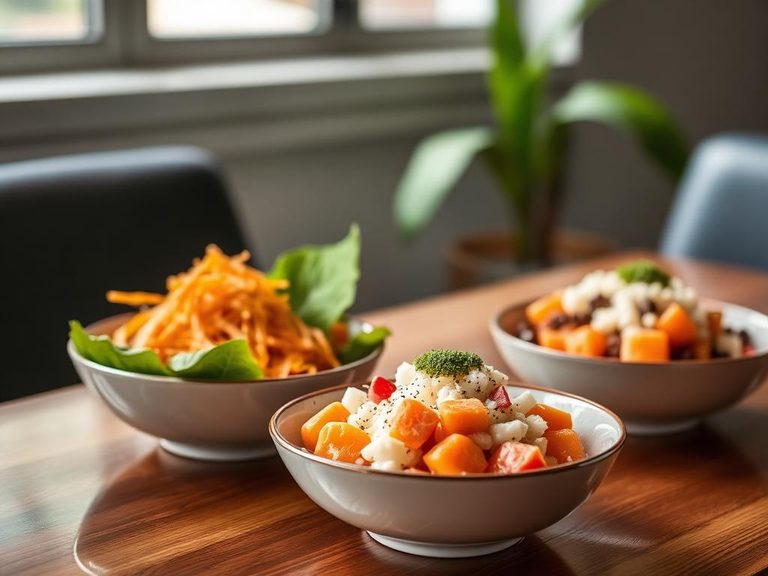
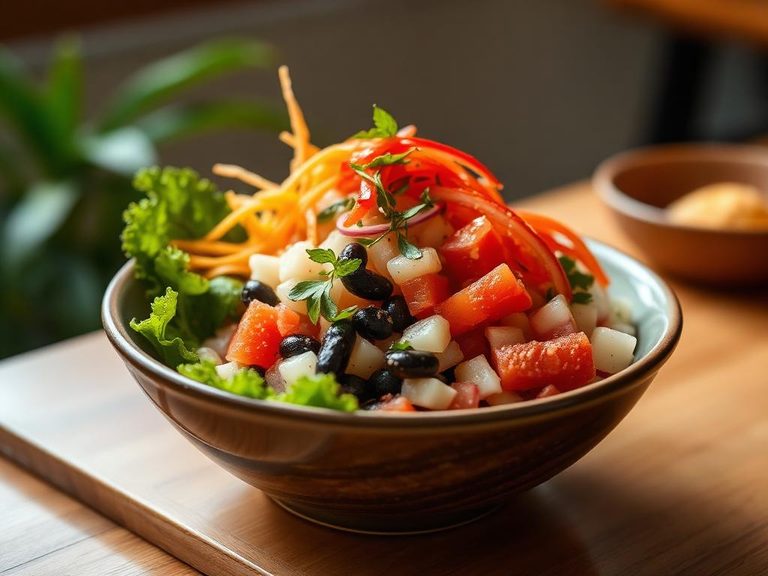
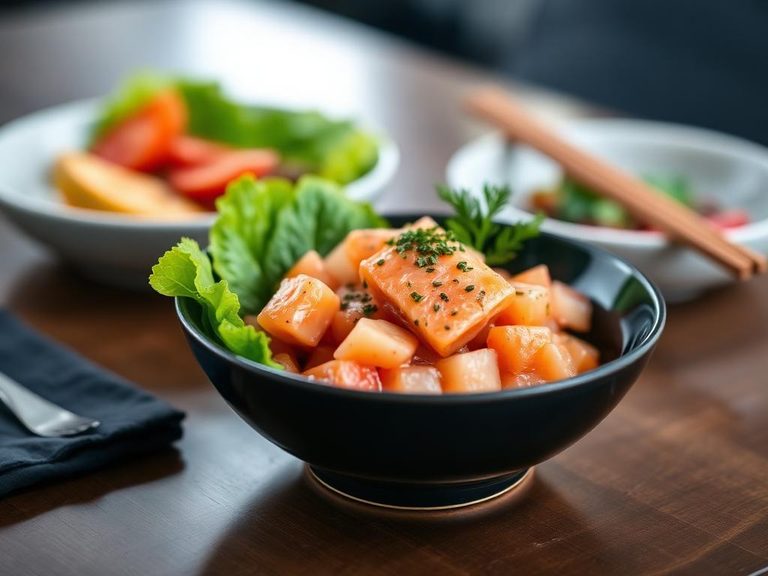
Poke bowls are a traditional Hawaiian dish of diced raw fish, typically ahi tuna, served over rice and topped with fresh vegetables, seaweed, and savory sauces. The name 'poke' (pronounced poh-kay) means 'to slice or cut' in Hawaiian, referring to the preparation of the fish. They have evolved from a simple fishermen's snack into a globally popular, customizable meal.
🍽️ Nutrition at a glance
A typical poke bowl is a balanced, protein-rich meal that provides healthy fats from fish and omega-3s, along with complex carbs from rice. A standard serving generally ranges from 500 to 700 calories, depending on the base, protein portion, and added sauces or toppings.
Nutrition breakdown
| Calories | 600 kcal |
| Protein | 35 g |
| Carbs | 65 g |
| Fat | 20 g |
| Fiber | 6 g |
| Sugar | 8 g |
| Sodium | 850 mg |
| Omega-3 Fatty Acids | 1.5 g |
| Vitamin D | 10 mcg |
| Vitamin B12 | 4.5 mcg |
| Selenium | 55 mcg |
| Niacin (B3) | 12 mg |
| Potassium | 600 mg |
| Iron | 3 mg |
| Iodine | 75 mcg |
Per 1 bowl (approx. 450 g) · estimated, varies by recipe
💡 What's interesting
Culturally, poke bowls represent a fusion of Native Hawaiian, Japanese, and broader Asian culinary influences, reflecting Hawaii's diverse history. Nutritionally, they are celebrated for being a whole-food, minimally processed meal that can be easily tailored for various dietary preferences, from high-protein to plant-based.
🍽️ Related dishes
AI estimate may be inaccurate · Terms