Hawaiian Poke Bowls
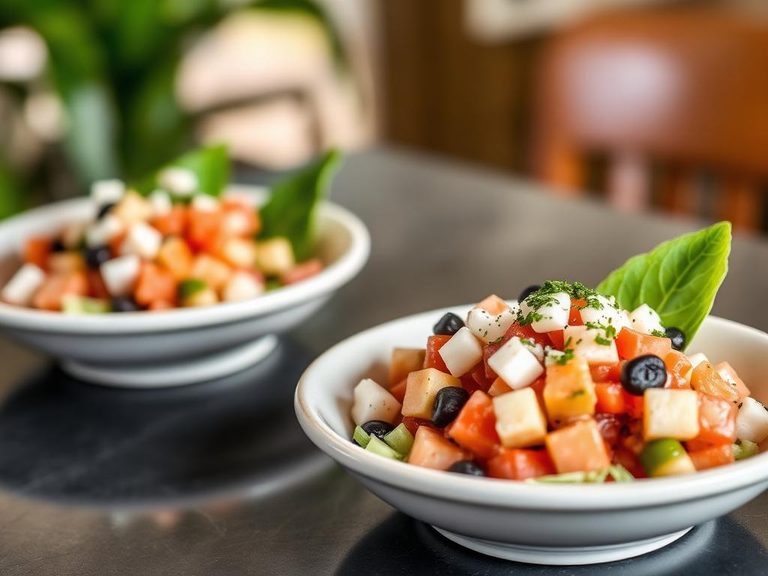
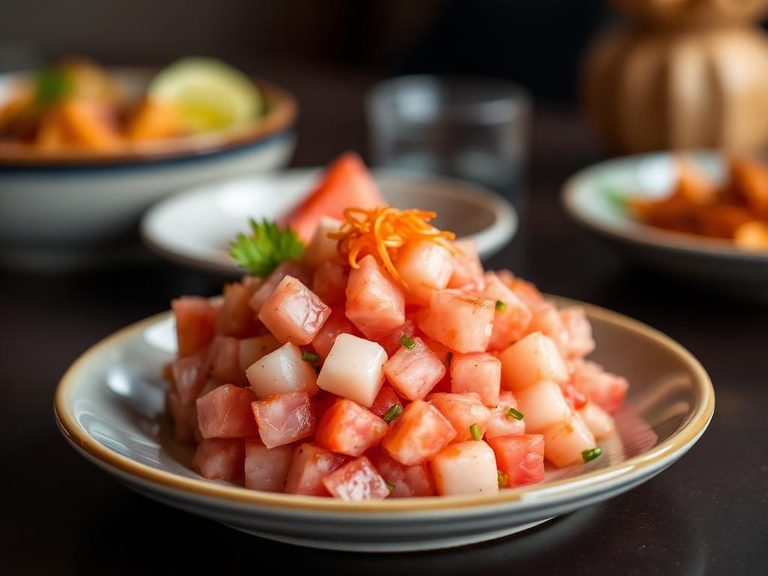
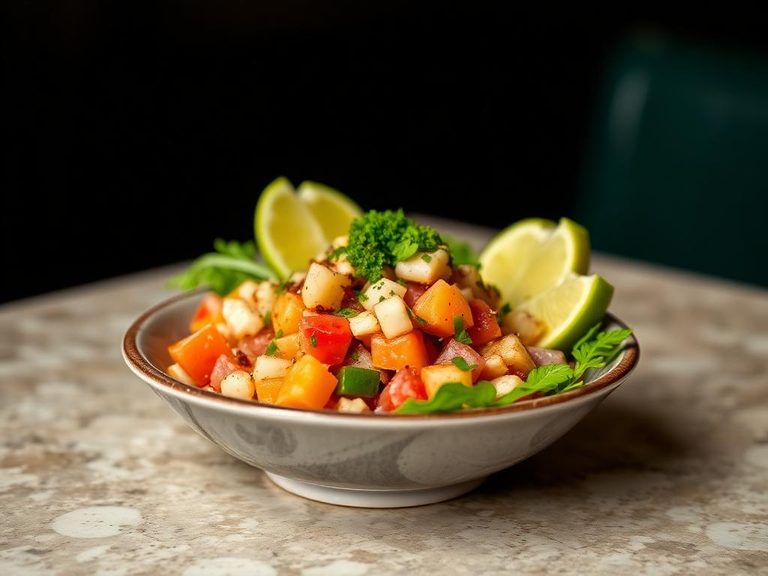
Hawaiian Poke Bowls are a vibrant, customizable dish originating from Hawaii, typically featuring diced raw fish (like ahi tuna) marinated in soy sauce and sesame oil, served over rice and topped with fresh vegetables, seaweed, and various garnishes. The name 'poke' means 'to slice or cut' in Hawaiian, reflecting the dish's preparation style.
🍽️ Nutrition at a glance
Poke bowls are generally high in protein from the fish and healthy fats from ingredients like avocado and sesame oil, while the rice provides carbohydrates. A typical serving can range from 500 to 700 calories, offering a good balance of omega-3 fatty acids, vitamins, and minerals.
Nutrition breakdown
| Calories | 520 kcal |
| Protein | 32 g |
| Carbs | 55 g |
| Fat | 18 g |
| Fiber | 6 g |
| Sugar | 8 g |
| Sodium | 680 mg |
| Potassium | 650 mg |
| Selenium | 42 mcg |
| Vitamin B12 | 2.8 mcg |
| Niacin (B3) | 10 mg |
| Vitamin C | 15 mg |
| Magnesium | 75 mg |
| Phosphorus | 310 mg |
| Omega-3 (EPA+DHA) | 450 mg |
Per 1 bowl (350 g) · estimated, varies by recipe
💡 What's interesting
Culturally, poke bowls showcase Hawaii's multicultural influences, blending Japanese, Polynesian, and American culinary traditions. Nutritionally, they are celebrated for their fresh, minimally processed ingredients, making them a popular choice for a nutrient-dense, satisfying meal.