Hawaiian Poke Bowl
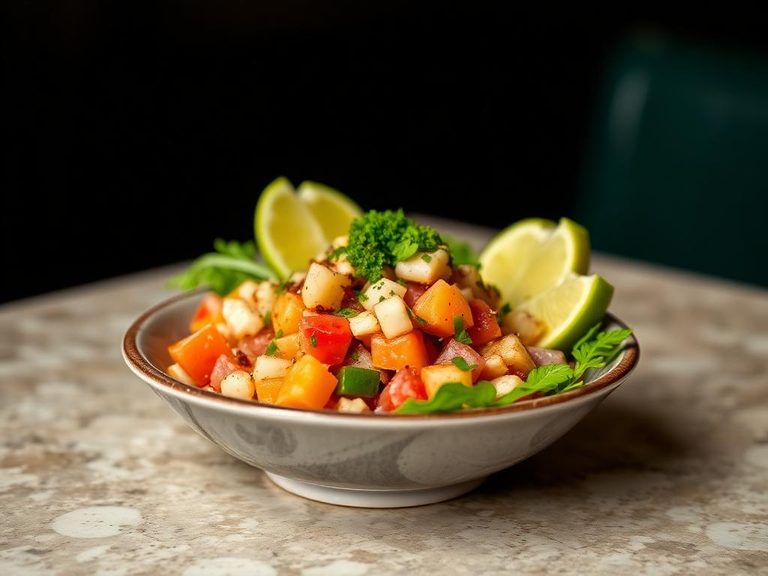
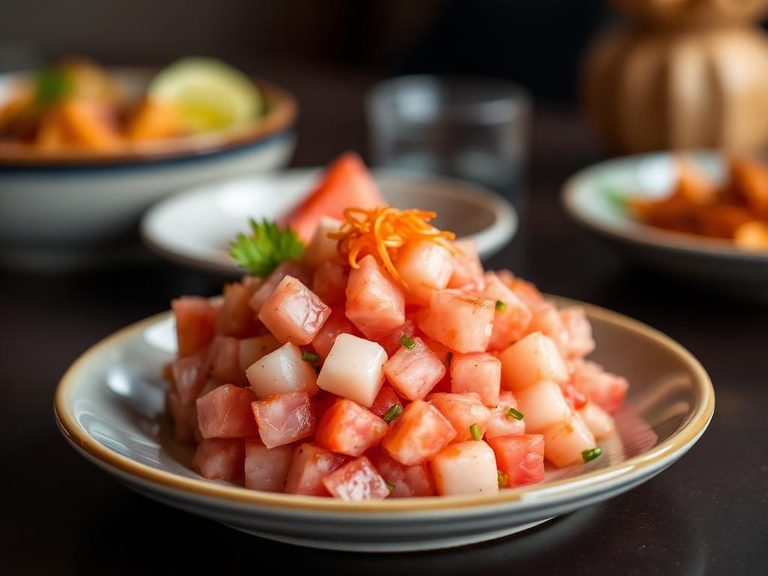
Hawaiian poke bowls are a vibrant, customizable dish originating from Hawaii, featuring diced raw fish (typically ahi tuna) as the star ingredient. They are traditionally served over rice and topped with a colorful array of ingredients like seaweed, edamame, avocado, and a savory-sweet sauce. The dish reflects a fusion of Native Hawaiian fishing traditions with Japanese and other Asian culinary influences.
🍽️ Nutrition at a glance
Poke bowls are generally high in protein and healthy fats from the fish and toppings, with moderate carbohydrates from the rice base. They are rich in omega-3 fatty acids, vitamins, and minerals, with a typical serving ranging from 400 to 700 calories depending on portion sizes and additions.
Nutrition breakdown
| Calories | 550 kcal |
| Protein | 35 g |
| Carbs | 60 g |
| Fat | 18 g |
| Fiber | 6 g |
| Sugar | 8 g |
| Sodium | 900 mg |
| Potassium | 650 mg |
| Vitamin D | 1.5 mcg |
| Calcium | 80 mg |
| Iron | 3.5 mg |
| Vitamin C | 25 mg |
| Vitamin B12 | 4.0 mcg |
| Magnesium | 90 mg |
| Omega-3 (EPA+DHA) | 0.8 g |
Per 1 bowl (350 g) · estimated, varies by recipe
💡 What's interesting
Culturally, poke bowls are a perfect example of Hawaii's 'local food' scene, blending Polynesian, Japanese, and other immigrant cuisines into a unique culinary tradition. Nutritionally, they are celebrated for providing a balanced meal with lean protein, heart-healthy fats, and customizable vegetable options.