

Pork, fresh, shoulder, blade, boston (roasts), separable lean only, cooked, roasted
Whole food · Pork Products

Photo: Wikipedia
This cut is the lean, roasted heart of the pork shoulder, delivering a dense, meaty bite with a clean, savory flavor and a firm yet tender texture when cooked properly. Its standout nutritional feature is an exceptional protein-to-fat ratio, packing over 24 grams of high-quality protein per 100 grams with virtually no carbohydrates. The roasting process concentrates its natural pork essence, creating a satisfying, versatile base for countless meals.
Calorie split: 43% protein · 0% carbs · 57% fat
↓ Full nutrition💚 Why it's loved
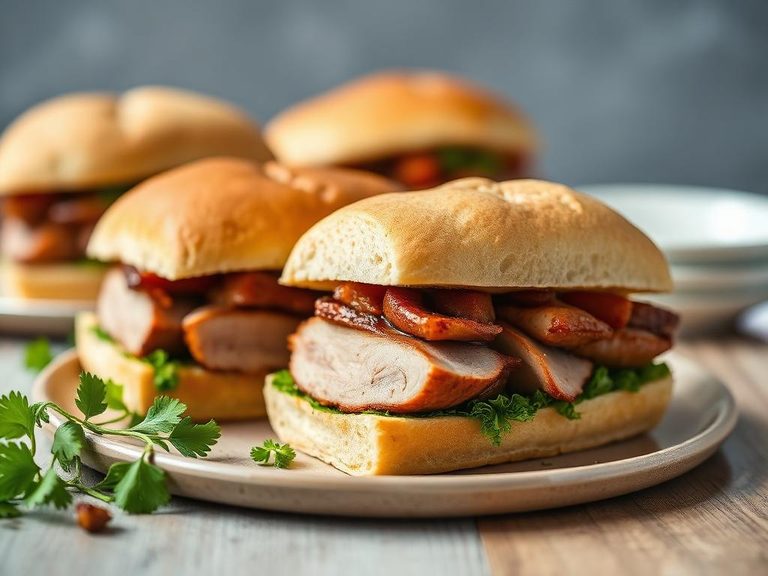
People adore it for its robust, pure pork flavor that acts as a perfect canvas for marinades, rubs, and sauces. Its versatility shines from being sliced for sandwiches to cubed in stews, making it a reliable and comforting staple in home cooking.
⚠️ Watch-outs & how to enjoy it better
Being a lean roast, it can dry out easily if overcooked, resulting in a tough, chewy texture. Those monitoring sodium intake should be cautious, as it's often seasoned with salt-based rubs or brines. To counteract dryness, use a meat thermometer, let it rest after cooking, and consider braising or slow-cooking with a small amount of liquid. For sodium, opt for low-sodium seasonings or rinse the cooked meat lightly.
Key benefits
- Excellent source of complete protein for muscle maintenance.
- Naturally zero-carb, suitable for ketogenic and low-carb diets.
- Rich in B vitamins, especially thiamine (B1) and niacin (B3).
- Provides essential minerals like selenium and phosphorus.
- Leaner than other shoulder cuts, offering a high-protein option.
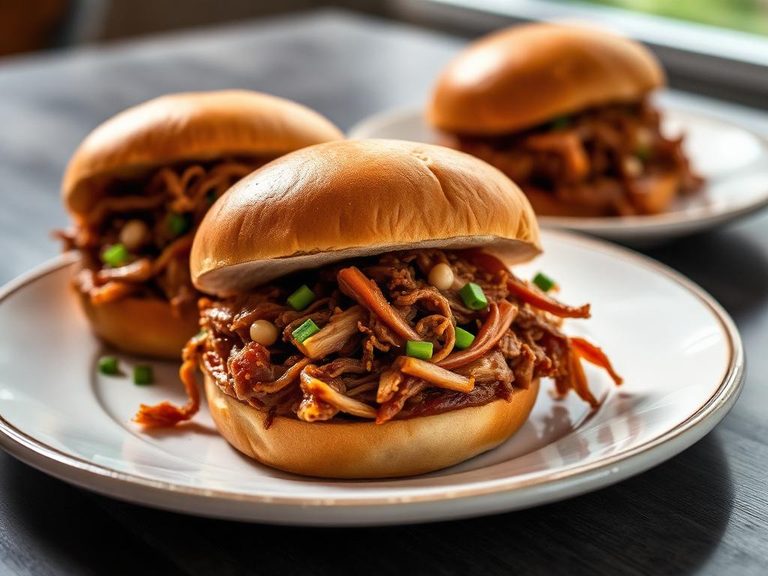
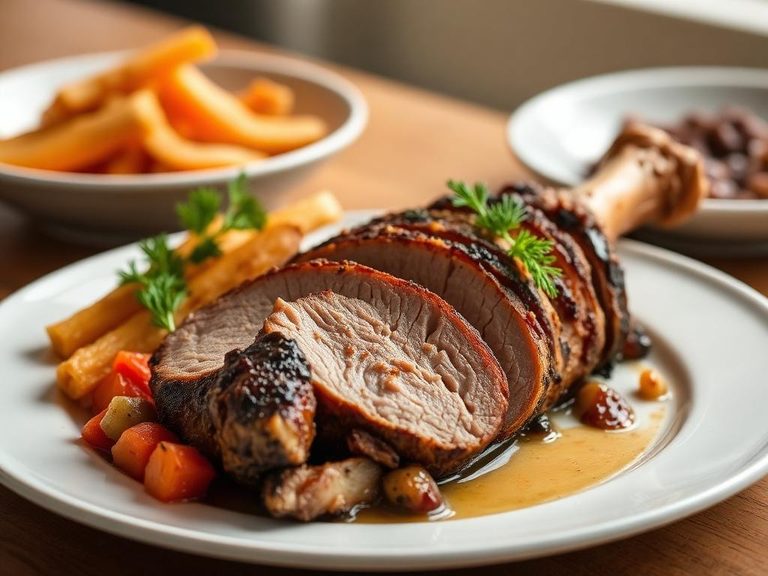
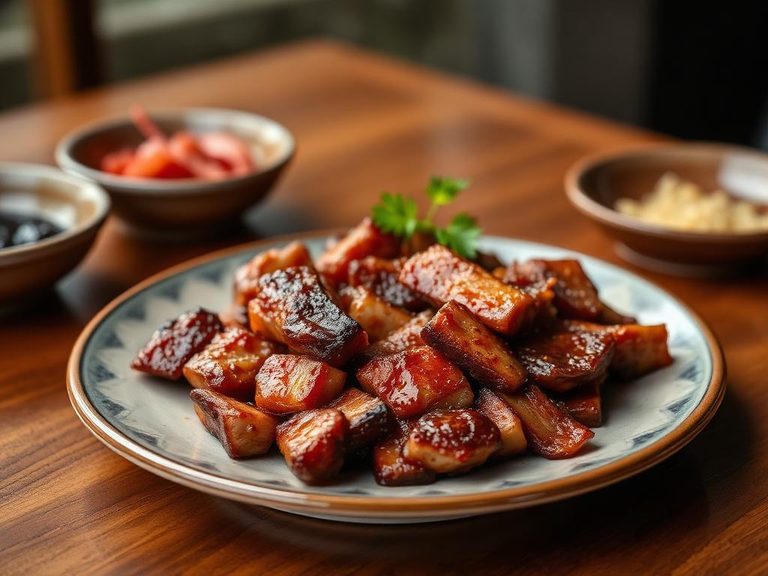
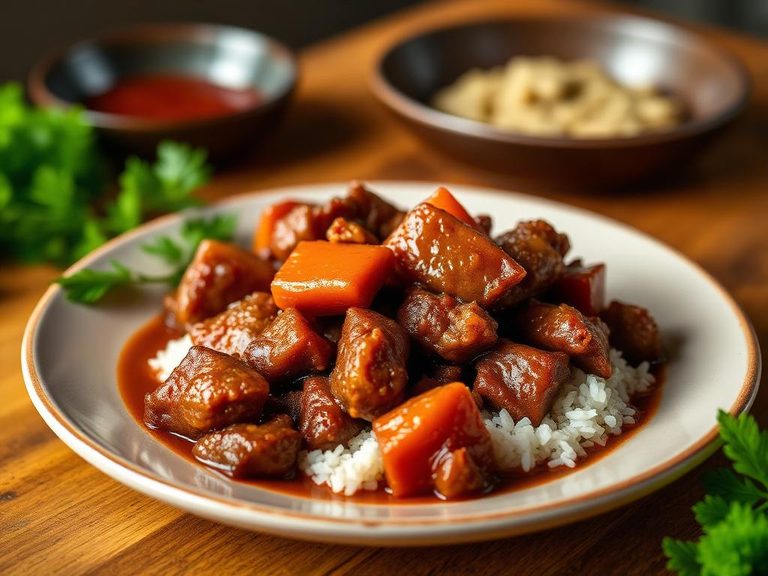
🍽️ Popular dishes

🌍 Where it's eaten
💡 Did you know?
The 'Boston' in its name is a historical misnomer; the cut is named after Boston, Massachusetts, which was a major pork processing hub in the 19th century, but the pigs themselves were typically raised in the Midwest.
Full nutrition (USDA data · scales with serving)
| Water | 60.9 g |
| Energy | 232 kcal |
| Energy | 971 kj |
| Protein | 24.2 g |
| Total lipid (fat) | 14.3 g |
| Ash | 1.3 g |
| Carbohydrate, by difference | 0.00 g |
| Fiber, total dietary | 0.00 g |
| Total Sugars | 0.00 g |
| Calcium, Ca | 27.0 mg |
| Iron, Fe | 1.6 mg |
| Magnesium, Mg | 26.0 mg |
| Phosphorus, P | 235 mg |
| Potassium, K | 427 mg |
| Sodium, Na | 88.0 mg |
| Zinc, Zn | 4.2 mg |
| Copper, Cu | 0.12 mg |
| Manganese, Mn | 0.01 mg |
| Selenium, Se | 36.1 ug |
| Vitamin C, total ascorbic acid | 1.0 mg |
| Thiamin | 1.1 mg |
| Riboflavin | 0.40 mg |
| Niacin | 5.0 mg |
| Pantothenic acid | 1.1 mg |
| Vitamin B-6 | 0.44 mg |
| Folate, total | 8.0 ug |
| Folic acid | 0.00 ug |
| Folate, food | 8.0 ug |
| Folate, DFE | 8.0 ug |
| Choline, total | 83.2 mg |
| Betaine | 3.2 mg |
| Vitamin B-12 | 1.2 ug |
| Vitamin B-12, added | 0.00 ug |
| Vitamin A, RAE | 3.0 ug |
| Retinol | 3.0 ug |
| Carotene, beta | 0.00 ug |
| Carotene, alpha | 0.00 ug |
| Cryptoxanthin, beta | 0.00 ug |
| Vitamin A, IU | 9.0 iu |
| Lycopene | 0.00 ug |
| Lutein + zeaxanthin | 0.00 ug |
| Vitamin E (alpha-tocopherol) | 0.24 mg |
| Vitamin E, added | 0.00 mg |
| Vitamin D (D2 + D3), International Units | 41.0 iu |
| Vitamin D (D2 + D3) | 1.0 ug |
| Vitamin D3 (cholecalciferol) | 1.0 ug |
| Vitamin K (phylloquinone) | 0.00 ug |
| Vitamin K (Dihydrophylloquinone) | 0.00 ug |
| Alcohol, ethyl | 0.00 g |
| Caffeine | 0.00 mg |
| Theobromine | 0.00 mg |
Fat & fatty acid profile (per 100g)
| Fatty acids, total saturated | 5.2 g |
| SFA 4:0 | 0.00 g |
| SFA 6:0 | 0.00 g |
| SFA 8:0 | 0.00 g |
| SFA 10:0 | 0.01 g |
| SFA 12:0 | 0.01 g |
| SFA 14:0 | 0.17 g |
| SFA 16:0 | 3.2 g |
| SFA 18:0 | 1.7 g |
| Fatty acids, total monounsaturated | 6.3 g |
| MUFA 16:1 | 0.41 g |
| MUFA 18:1 | 5.7 g |
| MUFA 20:1 | 0.15 g |
| MUFA 22:1 | 0.00 g |
| Fatty acids, total polyunsaturated | 1.3 g |
| PUFA 18:2 | 1.1 g |
| PUFA 18:3 | 0.05 g |
| PUFA 18:4 | 0.00 g |
| PUFA 20:4 | 0.05 g |
| PUFA 20:5 n-3 (EPA) | 0.00 g |
| PUFA 22:5 n-3 (DPA) | 0.00 g |
| PUFA 22:6 n-3 (DHA) | 0.00 g |
| Cholesterol | 85.0 mg |
Amino acid profile (per 100g)
| Tryptophan | 0.31 g |
| Threonine | 1.1 g |
| Isoleucine | 1.1 g |
| Leucine | 1.9 g |
| Lysine | 2.2 g |
| Methionine | 0.64 g |
| Cystine | 0.31 g |
| Phenylalanine | 0.97 g |
| Tyrosine | 0.84 g |
| Valine | 1.3 g |
| Arginine | 1.5 g |
| Histidine | 0.97 g |
| Alanine | 1.4 g |
| Aspartic acid | 2.2 g |
| Glutamic acid | 3.8 g |
| Glycine | 1.1 g |
| Proline | 0.97 g |
| Serine | 1.0 g |
FAQ
What is the difference between this and pork tenderloin?
This is from the shoulder (a hard-working, flavorful muscle) and is fattier and more robust than the very lean, mild tenderloin from the loin. It holds up better to longer cooking methods.
How do I prevent it from drying out when roasting?
Sear it first, roast at a moderate temperature (325-350°F / 160-175°C), and use a meat thermometer to pull it at 145°F (63°C) internal temperature. Always let it rest for 10-15 minutes before slicing to allow juices to redistribute.
Is this cut suitable for slow cooking or smoking?
Yes, absolutely. While this specific 'separable lean only' cut is leaner, the shoulder as a whole is ideal for low-and-slow methods. For this lean portion, braising or cooking with a bit of liquid in a slow cooker can help maintain moisture.
Nutrient density (calculated · NRF9.3)
Nutrient Rich Foods index: beneficial nutrients (protein, fiber, vitamins, minerals) minus saturated fat, added sugar & sodium, per 100 kcal.
NRF9.3 index — Fulgoni, Keast & Drewnowski, 2009. Computed from USDA nutrients.
Weight-loss friendliness (composite index)
Energy density 2.32 kcal/g · 42% calories from protein · 0.0 g fiber · 0.0 g sugar per 100 g.
Composite of energy density (Rolls et al., 1999), protein & fiber satiety, minus sugar. A calculated heuristic — ranks satiety-per-calorie, not a clinical measure.
Dietary load (calculated from USDA values)
Potential renal acid load. Positive = acid-forming, negative = alkaline-forming.
Sodium-to-potassium ratio: 0.21 (lower is better — aim for ≤ 1)
Sodium:potassium per WHO potassium guidance. Computed from USDA nutrients.