

Parmesan cheese topping, fat free
Whole food · Dairy and Egg Products

Photo: Wikipedia
A dehydrated, granular topping designed to mimic the salty, umami punch of aged Parmesan without the fat. It offers a dry, sandy texture that clings to pasta and salads, delivering a concentrated burst of savory flavor. Notably, it packs an exceptionally high protein-to-calorie ratio, making it a protein-dense, low-fat alternative to traditional hard cheeses.
Calorie split: 44% protein · 44% carbs · 12% fat
↓ Full nutrition💚 Why it's loved
People love it for its intense, concentrated umami flavor that instantly elevates simple dishes like pasta and soups without adding significant calories or fat. Its convenience and long shelf life make it a staple pantry item for quick, savory finishing touches.
⚠️ Watch-outs & how to enjoy it better
This topping is likely very high in sodium, which can cause water retention and is a concern for those with hypertension. It is also a dairy product, making it unsuitable for lactose-intolerant individuals or those with milk allergies. To mitigate sodium, use it sparingly as a finishing touch rather than a main ingredient, and pair it with potassium-rich vegetables or a small amount of healthy fat (like a drizzle of olive oil) to balance flavor and satiety.
Key benefits
- Extremely high protein density (40g per 100g)
- Very low fat content (5g per 100g)
- Calorie-efficient for high-protein diets
- Shelf-stable and convenient for quick seasoning
- Provides intense umami flavor without added oils
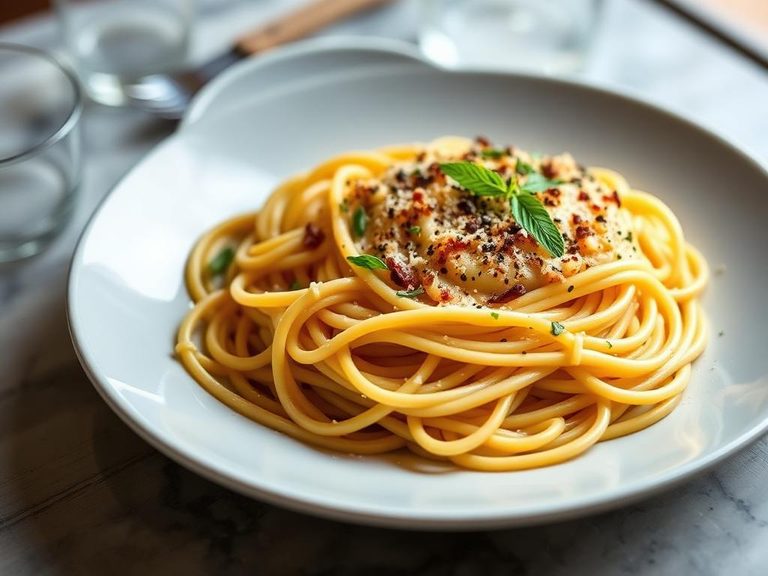
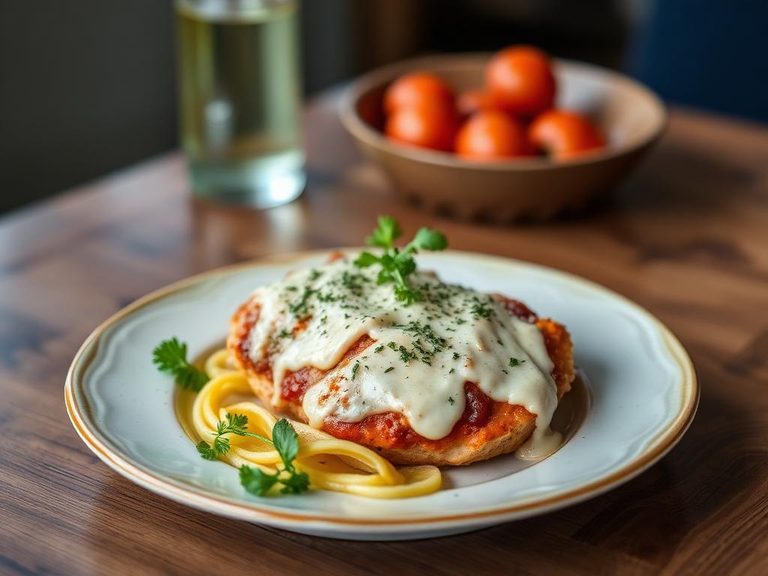
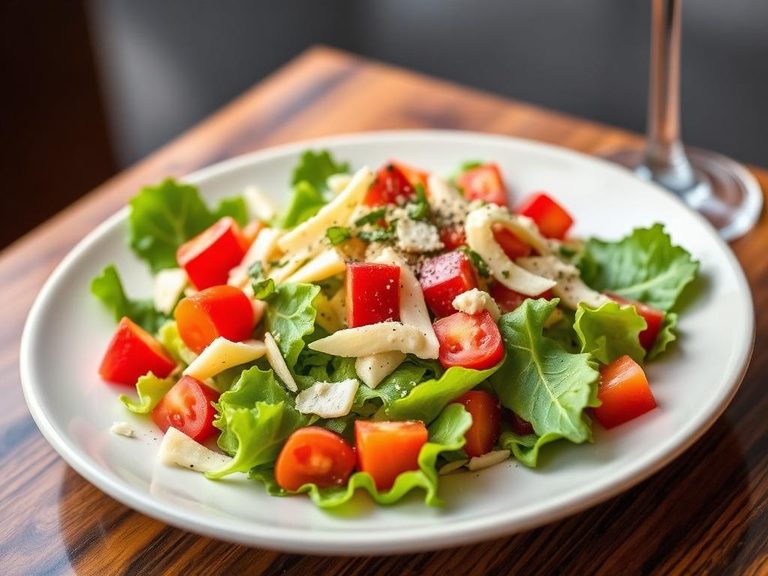
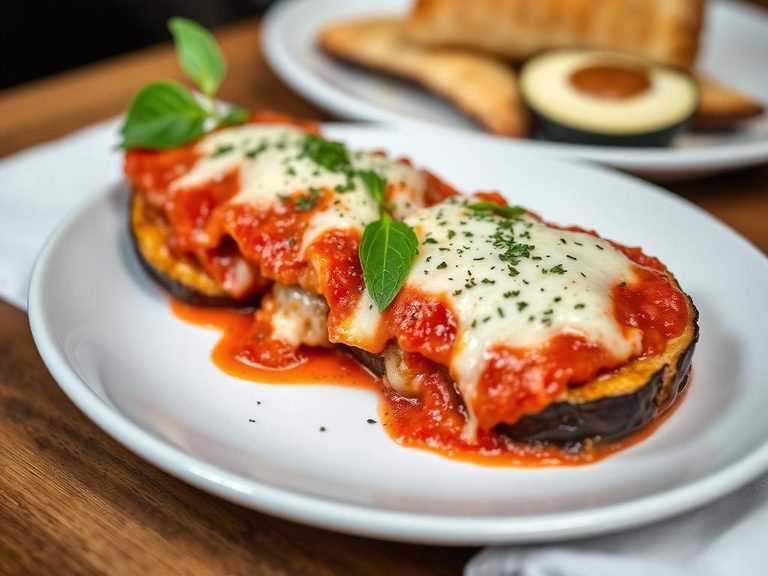
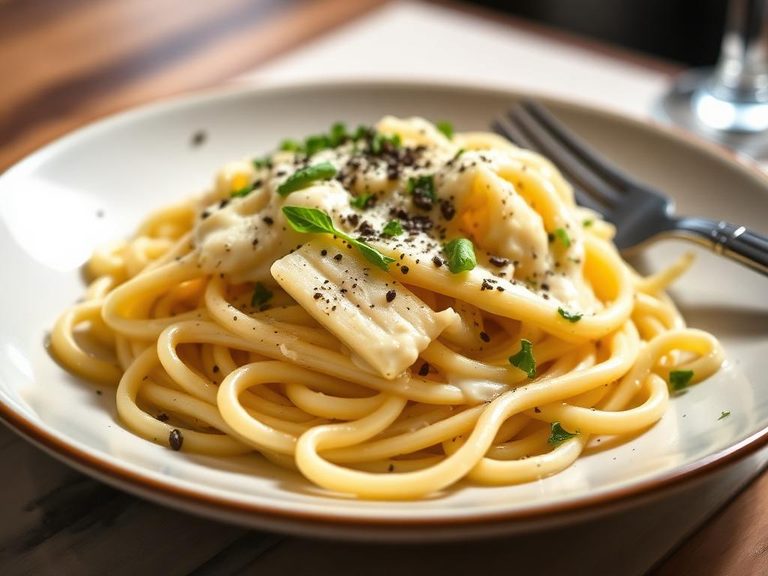
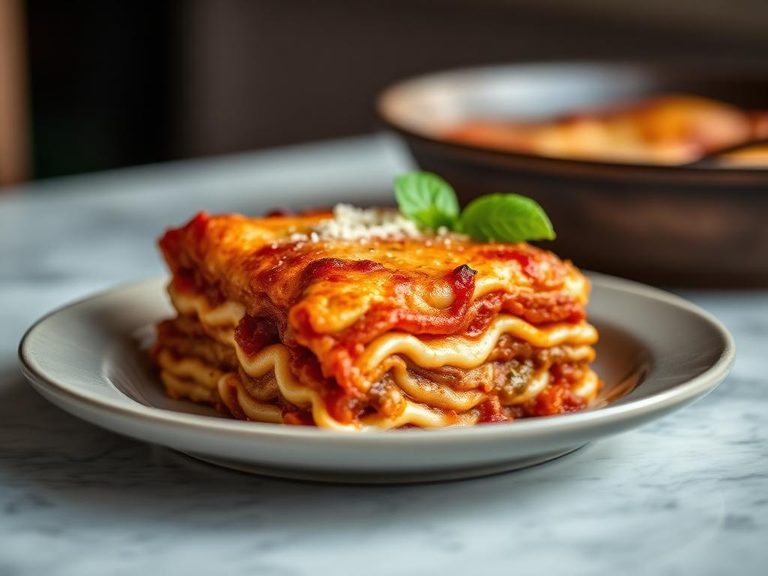
🍽️ Popular dishes
🌍 Where it's eaten
💡 Did you know?
True Parmigiano-Reggiano is aged for a minimum of 12 months and can be aged for over 36 months, developing crunchy tyrosine crystals that are a hallmark of its quality.
Full nutrition (USDA data · scales with serving)
| Water | 8.6 g |
| Energy | 370 kcal |
| Energy | 1548 kj |
| Protein | 40.0 g |
| Total lipid (fat) | 5.0 g |
| Ash | 6.4 g |
| Carbohydrate, by difference | 40.0 g |
| Fiber, total dietary | 0.00 g |
| Total Sugars | 1.5 g |
| Calcium, Ca | 800 mg |
| Iron, Fe | 5.0 mg |
| Magnesium, Mg | 40.0 mg |
| Phosphorus, P | 700 mg |
| Potassium, K | 600 mg |
| Sodium, Na | 1150 mg |
| Zinc, Zn | 3.0 mg |
| Copper, Cu | 0.02 mg |
| Selenium, Se | 43.3 ug |
| Vitamin C, total ascorbic acid | 0.00 mg |
| Thiamin | 0.05 mg |
| Riboflavin | 0.05 mg |
| Niacin | 0.20 mg |
| Vitamin B-6 | 0.10 mg |
| Folate, total | 25.0 ug |
| Folic acid | 0.00 ug |
| Folate, food | 25.0 ug |
| Folate, DFE | 25.0 ug |
| Choline, total | 15.4 mg |
| Vitamin B-12 | 1.1 ug |
| Vitamin B-12, added | 0.00 ug |
| Vitamin A, RAE | 40.0 ug |
| Retinol | 39.0 ug |
| Carotene, beta | 13.0 ug |
| Carotene, alpha | 0.00 ug |
| Cryptoxanthin, beta | 0.00 ug |
| Vitamin A, IU | 151 iu |
| Lycopene | 0.00 ug |
| Lutein + zeaxanthin | 0.00 ug |
| Vitamin E (alpha-tocopherol) | 0.04 mg |
| Vitamin E, added | 0.00 mg |
| Vitamin D (D2 + D3), International Units | 0.00 iu |
| Vitamin D (D2 + D3) | 0.00 ug |
| Vitamin K (phylloquinone) | 0.40 ug |
| Alcohol, ethyl | 0.00 g |
| Caffeine | 0.00 mg |
| Theobromine | 0.00 mg |
Fat & fatty acid profile (per 100g)
| Fatty acids, total saturated | 3.1 g |
| SFA 4:0 | 0.16 g |
| SFA 6:0 | 0.10 g |
| SFA 8:0 | 0.06 g |
| SFA 10:0 | 0.13 g |
| SFA 12:0 | 0.14 g |
| SFA 14:0 | 0.50 g |
| SFA 16:0 | 1.3 g |
| SFA 18:0 | 0.61 g |
| Fatty acids, total monounsaturated | 1.4 g |
| MUFA 16:1 | 0.11 g |
| MUFA 18:1 | 1.3 g |
| MUFA 20:1 | 0.08 g |
| MUFA 22:1 | 0.00 g |
| Fatty acids, total polyunsaturated | 0.19 g |
| PUFA 18:2 | 0.11 g |
| PUFA 18:3 | 0.07 g |
| PUFA 18:4 | 0.00 g |
| PUFA 20:4 | 0.00 g |
| PUFA 20:5 n-3 (EPA) | 0.00 g |
| PUFA 22:5 n-3 (DPA) | 0.00 g |
| PUFA 22:6 n-3 (DHA) | 0.00 g |
| Cholesterol | 20.0 mg |
Amino acid profile (per 100g)
Estimated from Cheese, parmesan, hard — USDA does not publish this profile for Parmesan cheese topping.
| Tryptophan | 0.48 g |
| Threonine | 1.3 g |
| Isoleucine | 1.9 g |
| Leucine | 3.5 g |
| Lysine | 3.3 g |
| Methionine | 0.96 g |
| Cystine | 0.23 g |
| Phenylalanine | 1.9 g |
| Tyrosine | 2.0 g |
| Valine | 2.5 g |
| Arginine | 1.3 g |
| Histidine | 1.4 g |
| Alanine | 1.0 g |
| Aspartic acid | 2.2 g |
| Glutamic acid | 8.2 g |
| Glycine | 0.62 g |
| Proline | 4.2 g |
| Serine | 2.1 g |
FAQ
Is fat-free Parmesan topping the same as grated Parmesan cheese?
No, it is a processed product, often made with whey, starch, and flavorings to mimic Parmesan, whereas true grated Parmesan is just aged cheese.
Can I use this topping in cooking or only as a garnish?
It's best used as a garnish or finishing topping, as it may not melt or incorporate the same way as fresh cheese due to its processed nature.
Is this topping suitable for a low-sodium diet?
No, it is typically very high in sodium, so it should be used sparingly if you are monitoring salt intake.
Nutrient density (calculated · NRF9.3)
Nutrient Rich Foods index: beneficial nutrients (protein, fiber, vitamins, minerals) minus saturated fat, added sugar & sodium, per 100 kcal.
NRF9.3 index — Fulgoni, Keast & Drewnowski, 2009. Computed from USDA nutrients.
Weight-loss friendliness (composite index)
Energy density 3.70 kcal/g · 43% calories from protein · 0.0 g fiber · 1.5 g sugar per 100 g.
Composite of energy density (Rolls et al., 1999), protein & fiber satiety, minus sugar. A calculated heuristic — ranks satiety-per-calorie, not a clinical measure.
Dietary load (calculated from USDA values)
Potential renal acid load. Positive = acid-forming, negative = alkaline-forming.
Sodium-to-potassium ratio: 1.92 (lower is better — aim for ≤ 1)
Sodium:potassium per WHO potassium guidance. Computed from USDA nutrients.